





Tanzania is home to some of the richest biodiversity on Earth. From vast herds of elephants roaming ancient baobab-studded landscapes to lions resting beneath acacia trees and flamingos painting soda lakes pink, the wildlife in Tanzania is as diverse as it is spectacular.
With more than 20 national parks, numerous game reserves, marine parks and conservation areas, Tanzania offers one of Africa’s finest safari experiences. Whether you’re visiting for the first time or returning for another adventure, every game drive brings the possibility of witnessing unforgettable encounters with some of the world’s most iconic animals.
In this guide, we’ll explore the remarkable wildlife that makes Tanzania one of the most sought-after safari destinations in Africa.
Why Tanzania Is One of Africa’s Premier Wildlife Destinations
Few countries can rival the sheer abundance and diversity of wildlife in Tanzania.
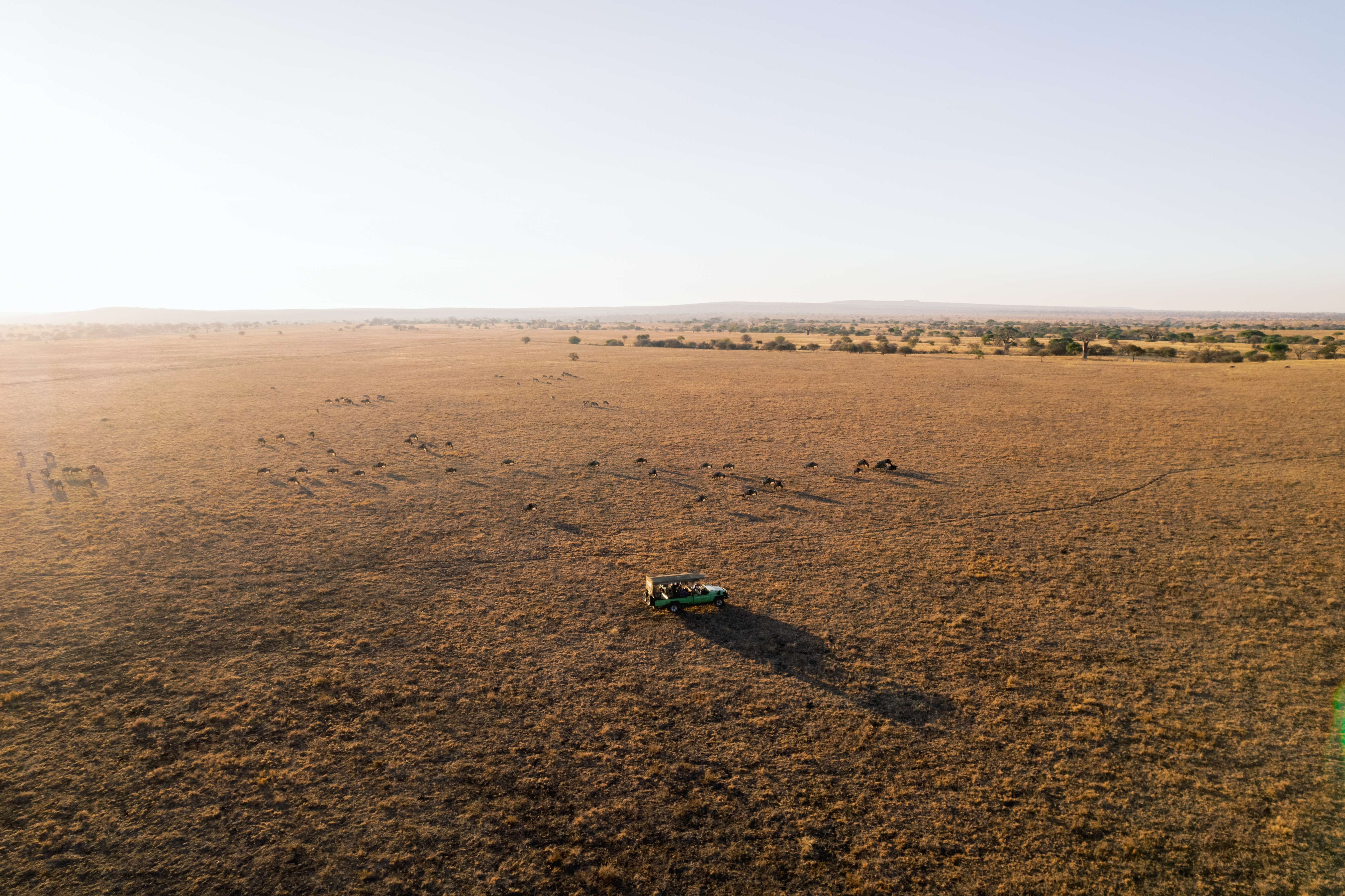
Nearly 40% of the country’s land is protected for conservation, creating vast ecosystems where animals continue to roam freely across landscapes that have changed little for centuries. From the endless plains of the Serengeti to the ancient volcanic crater of Ngorongoro and the giant baobabs of Tarangire, each destination supports its own unique mix of species.
The result is an authentic safari experience where wildlife remains truly wild.
The Big Five in Tanzania
For many travellers, seeing the Big Five is a safari highlight. Originally named by hunters for being the most difficult animals to hunt on foot, today they represent the ultimate wildlife viewing experience.
Lion
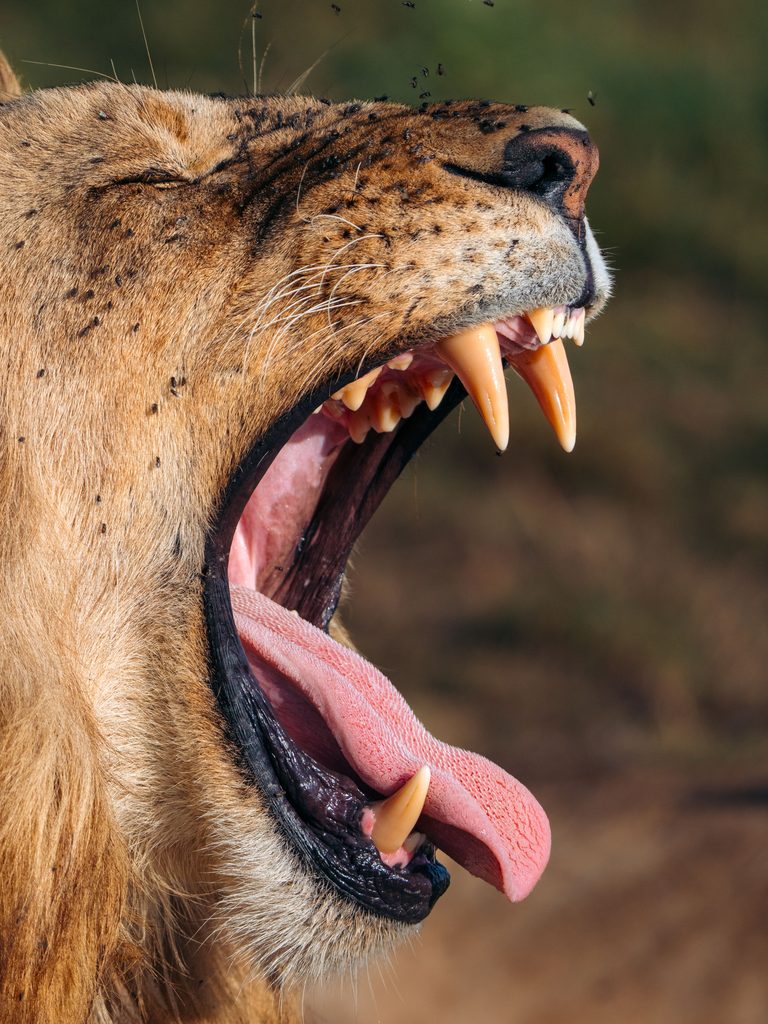
Tanzania is home to one of Africa’s largest lion populations.
The Serengeti alone supports thousands of lions, making it one of the best places in the world to observe prides hunting, raising cubs and defending their territories. Witnessing a pride resting in the shade after an early morning hunt is an unforgettable safari moment.
Elephant
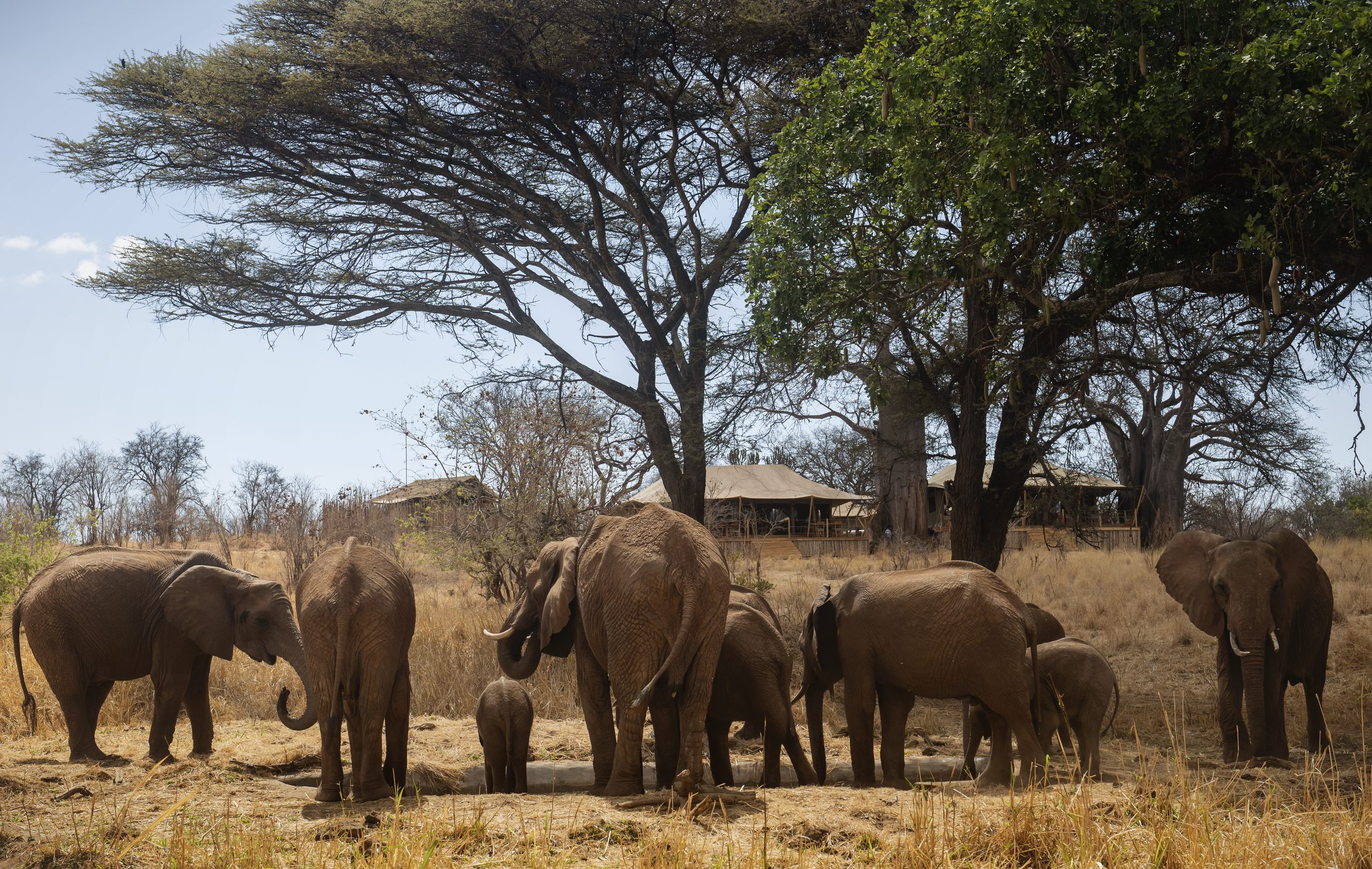
African elephants thrive across Tanzania’s protected areas.
Tarangire National Park is particularly famous for its enormous elephant herds, where families numbering over a hundred individuals may gather around rivers during the dry season. Their intelligence, social bonds and gentle nature make them one of the most captivating animals to observe.
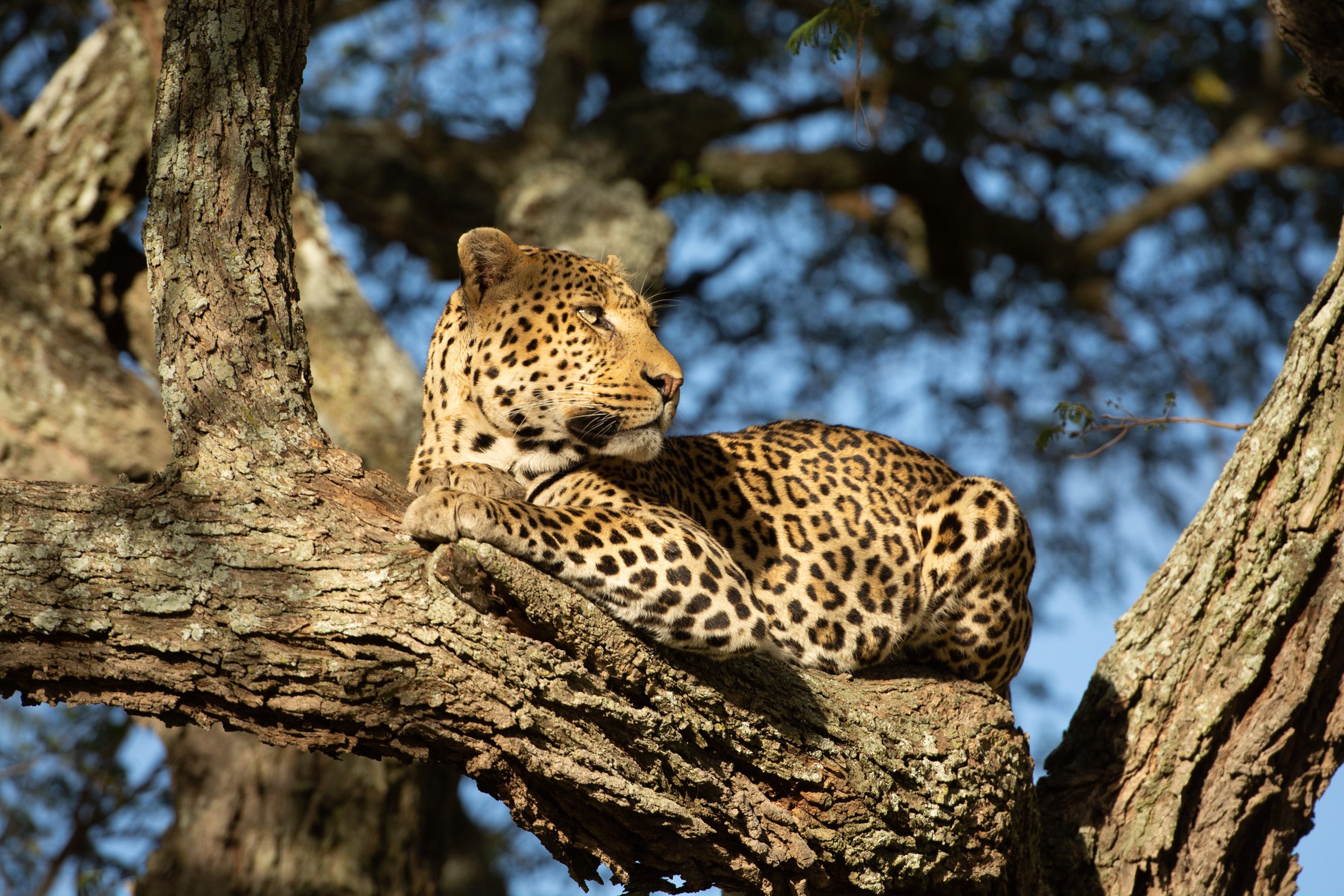
Leopard
Elusive and beautifully camouflaged, leopards are often considered the most challenging member of the Big Five to spot.
Fortunately, experienced guides know where these solitary cats are most likely to be found, often resting in sausage trees or draped elegantly across branches after dark.


Buffalo
Cape buffalo are among the most common large mammals seen on safari.
They travel in impressive herds and are often encountered grazing alongside zebra, wildebeest and antelope throughout Tanzania’s national parks.
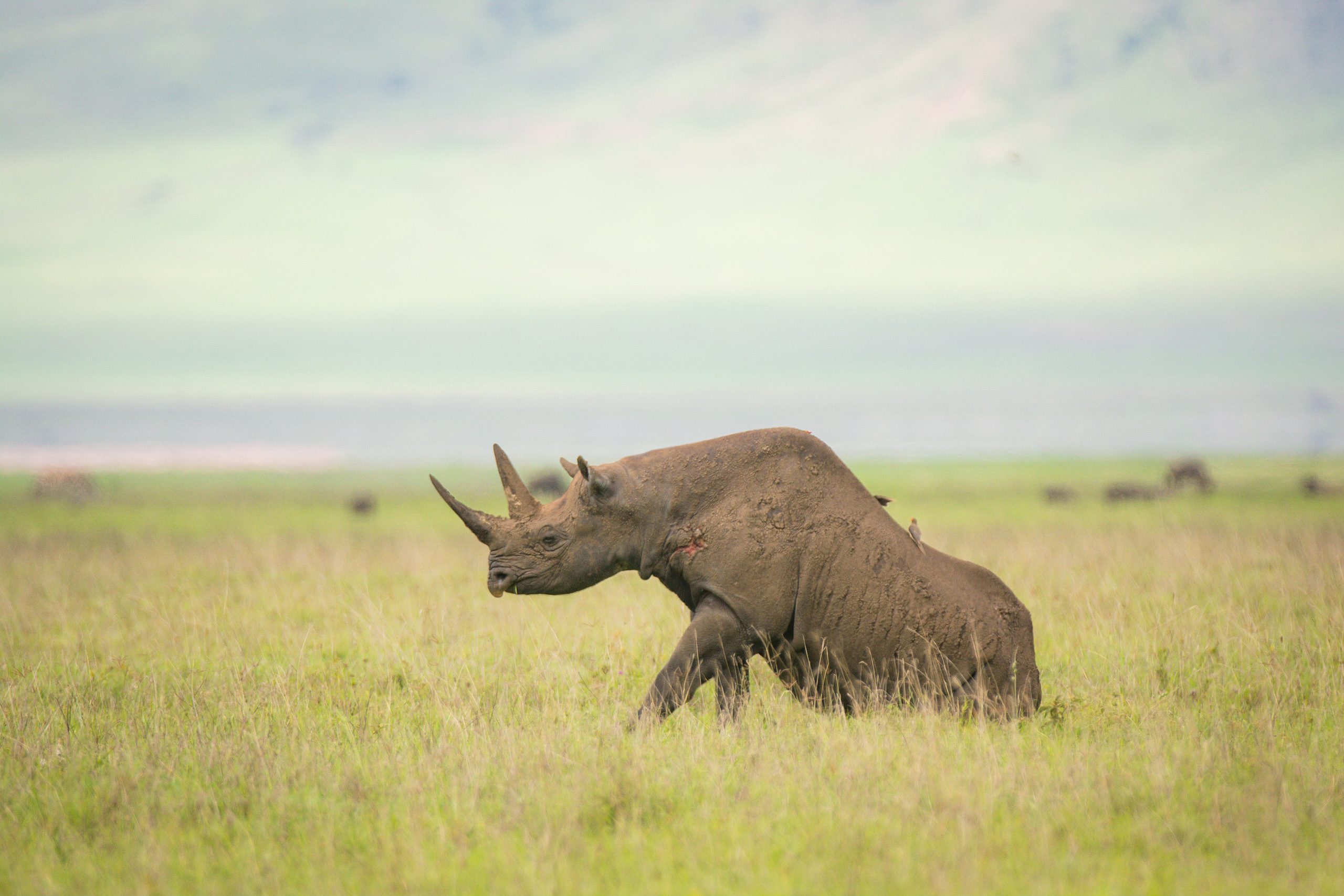
Black Rhinoceros
The critically endangered black rhino is one of Africa’s rarest mammals.
Although sightings are less frequent, Ngorongoro Conservation Area remains one of the best places in Tanzania to glimpse these remarkable animals in their natural habitat.
Beyond the Big Five
While the Big Five receive much of the attention, the wildlife in Tanzania extends far beyond these famous species.
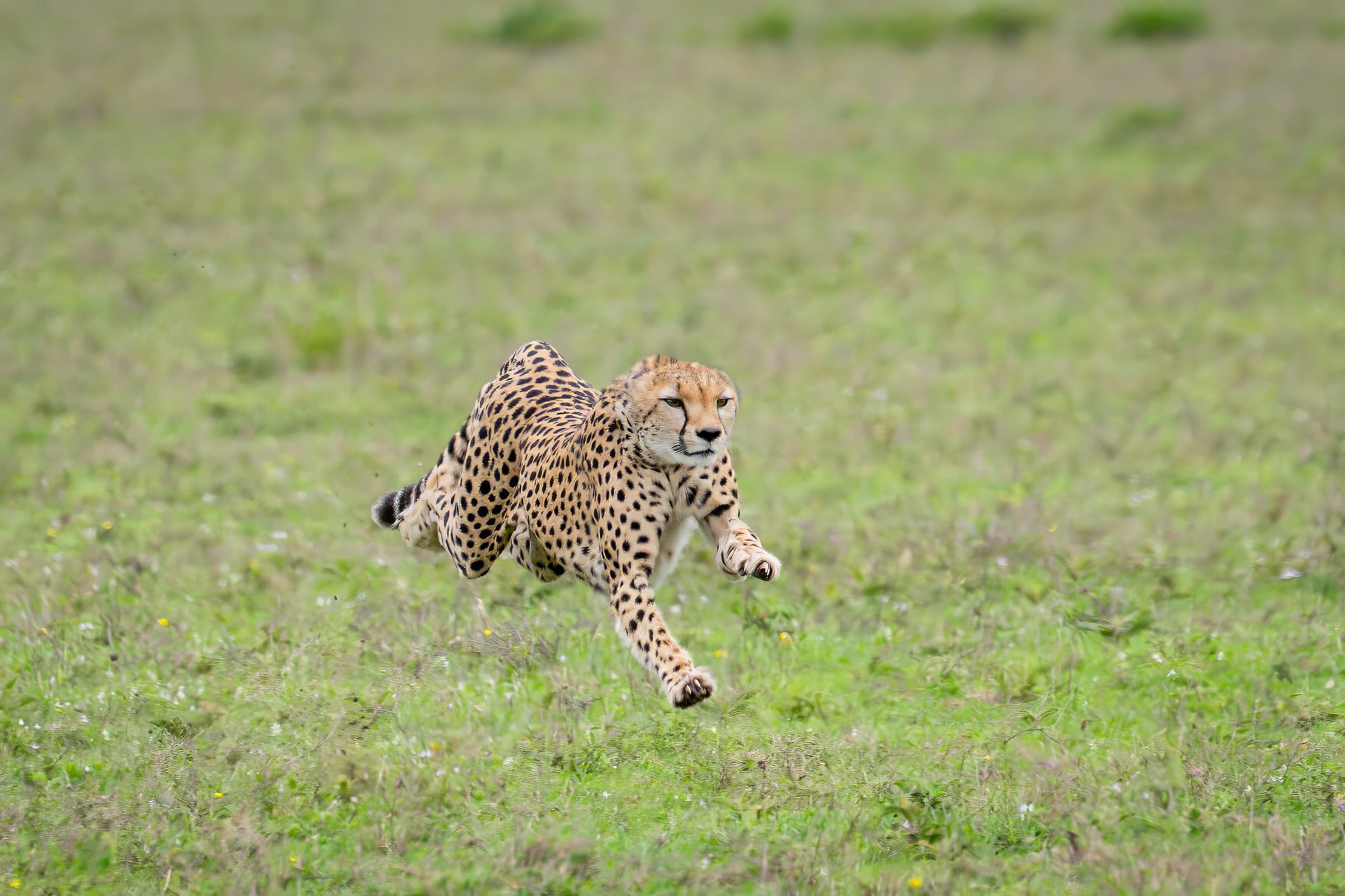
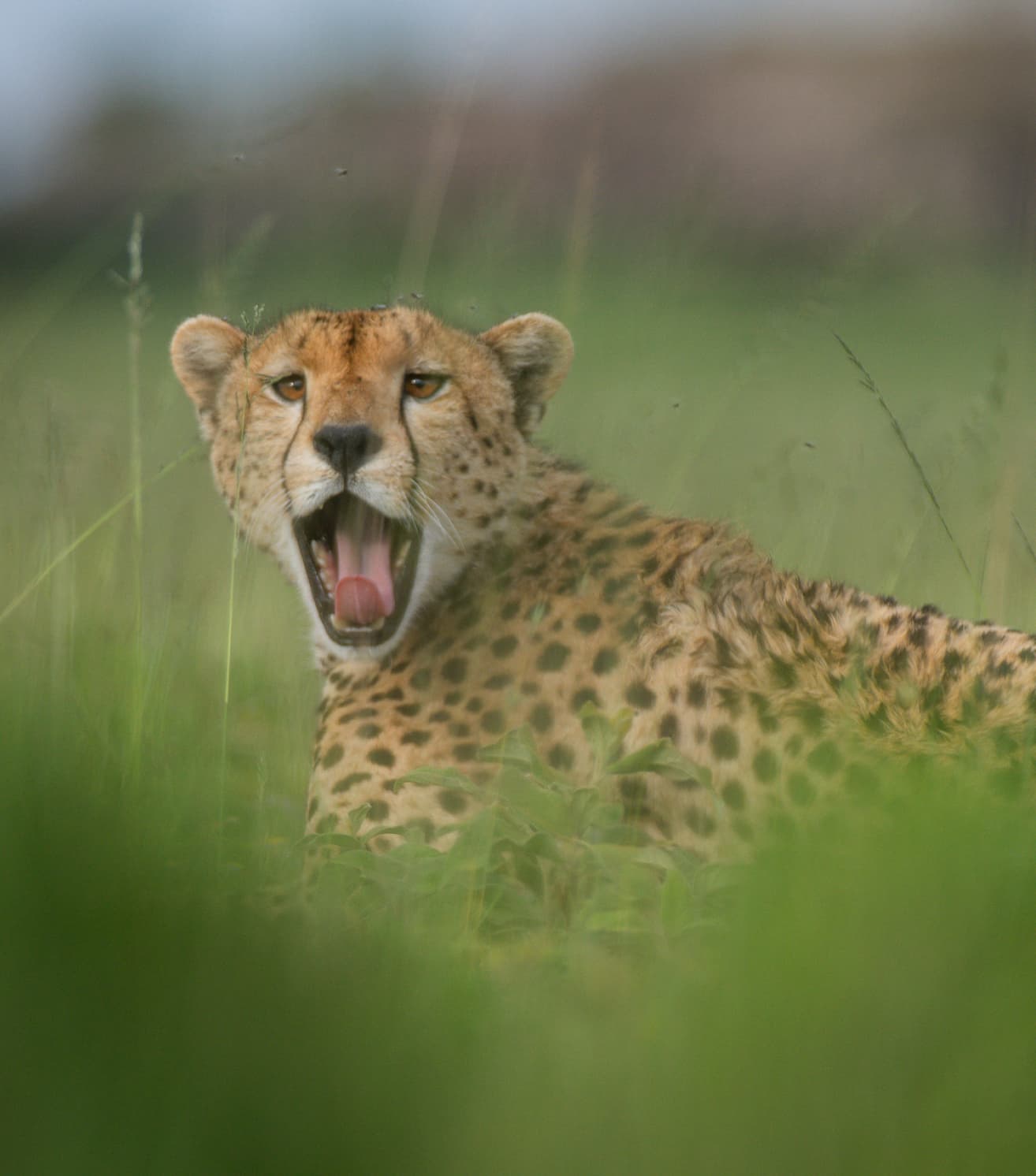
Cheetahs
The open plains of the Serengeti provide ideal habitat for the world’s fastest land mammal.
Watching a cheetah scan the grasslands from a termite mound before accelerating in pursuit of prey is one of Africa’s greatest wildlife spectacles.
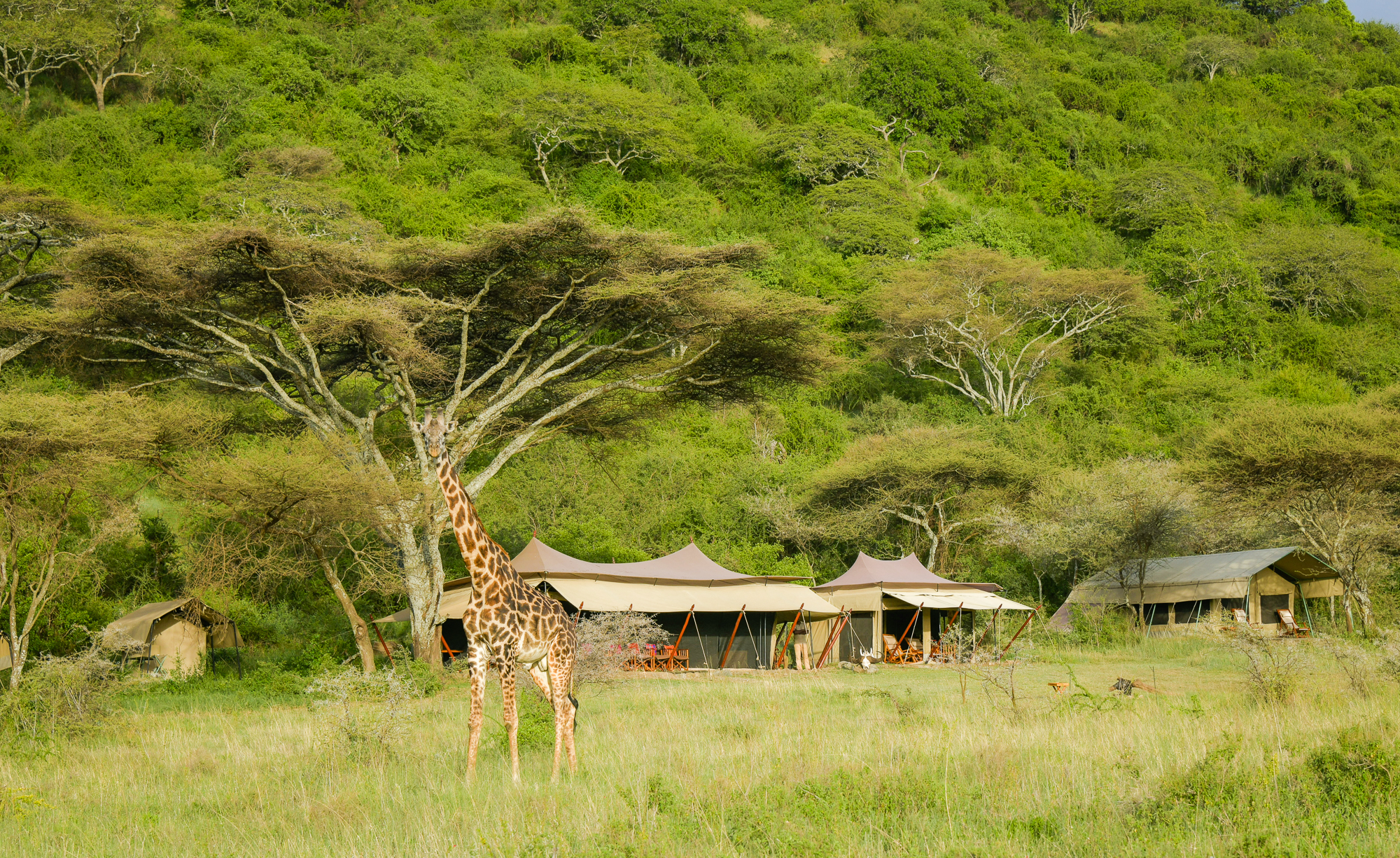
Giraffes
As Tanzania’s national animal, giraffes are among the country’s most recognisable residents.
Their graceful movements and distinctive silhouettes have become synonymous with the East African landscape.
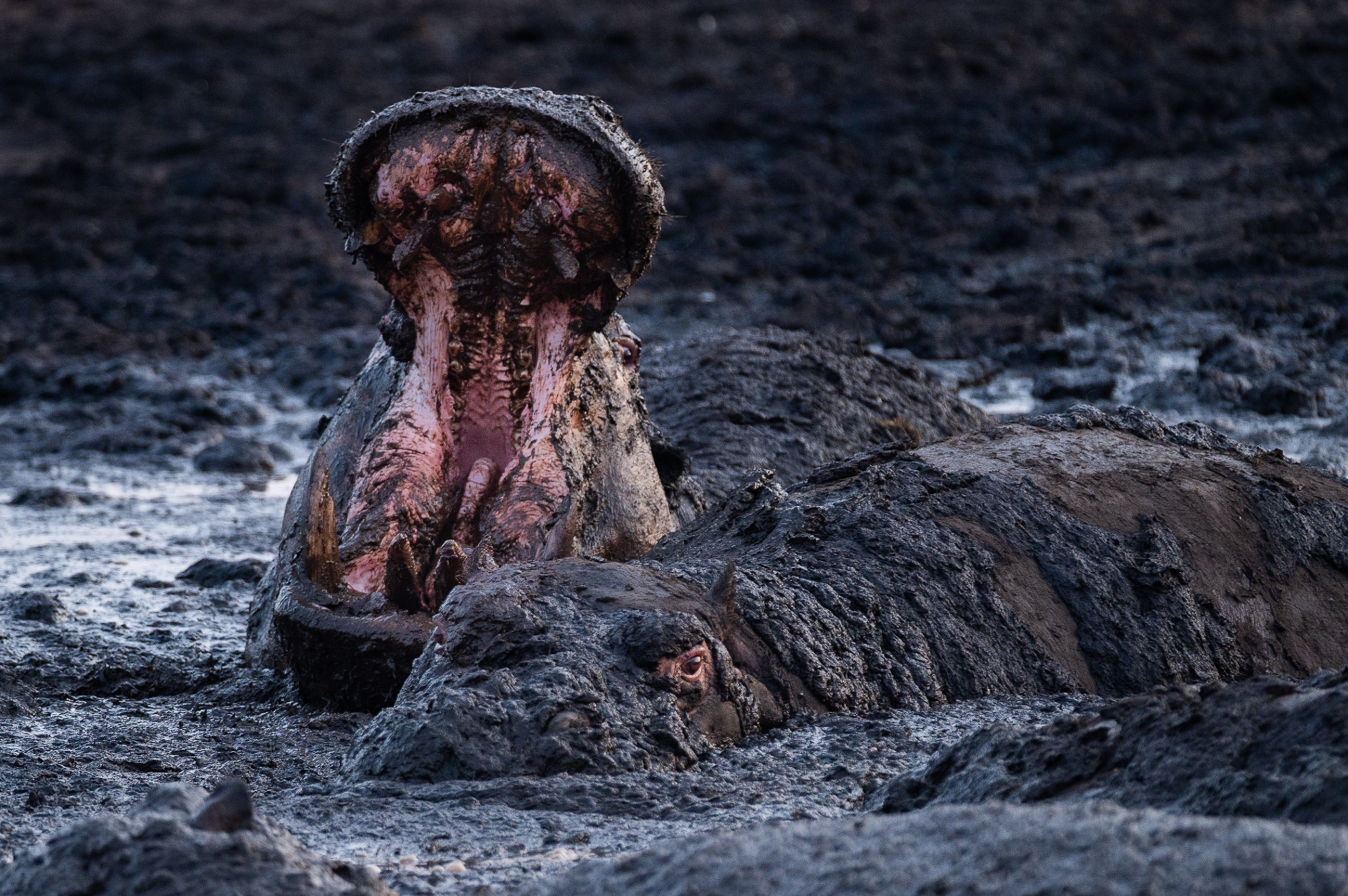
Hippopotamuses
Hippos spend much of the day submerged in rivers and pools before emerging at night to graze.
Their seemingly peaceful appearance hides one of Africa’s most powerful and territorial animals.
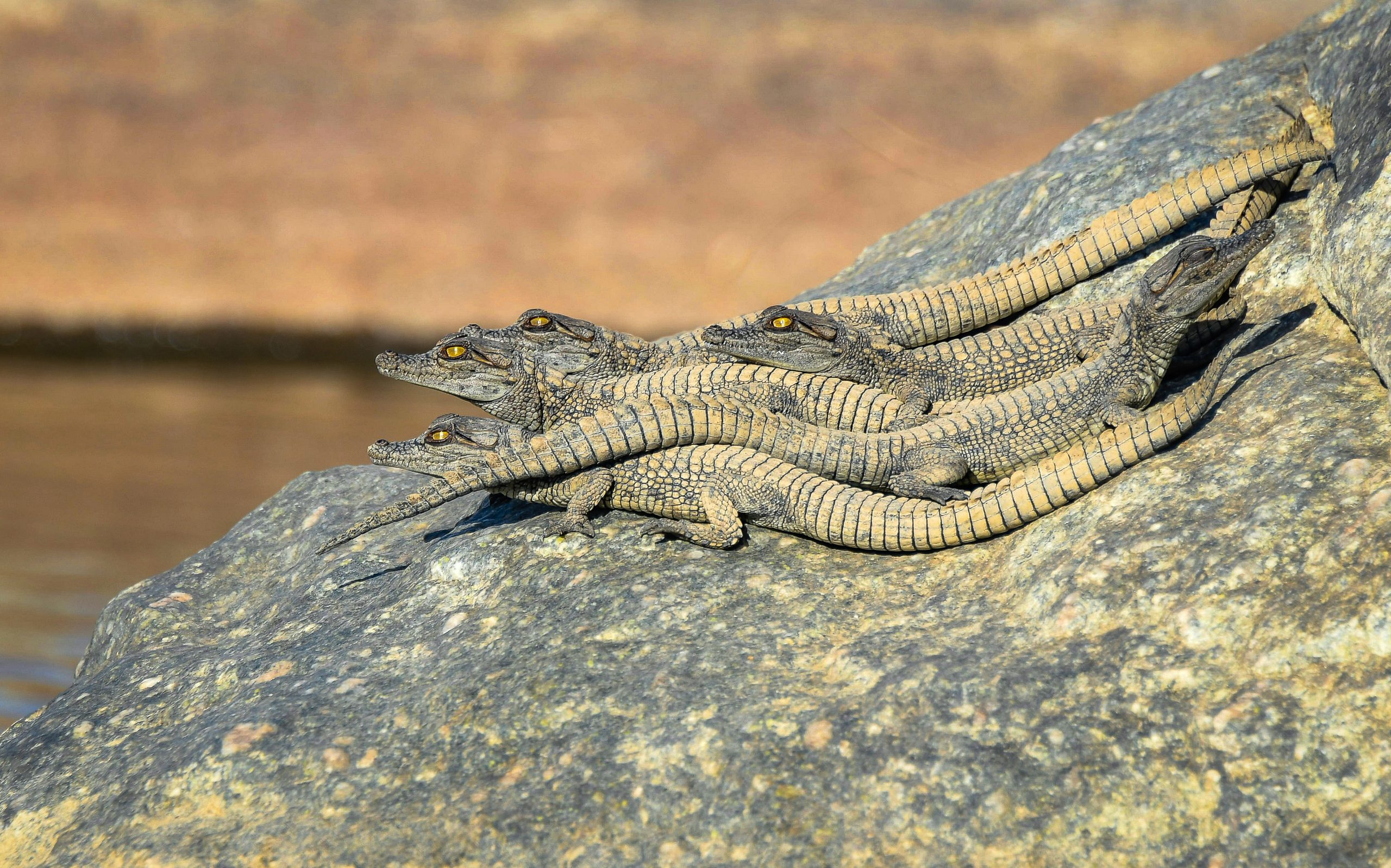
Crocodiles
The Nile crocodile is an apex predator found throughout Tanzania’s rivers and lakes.
They are perhaps most famous for ambushing wildebeest during the dramatic river crossings of the Great Migration.
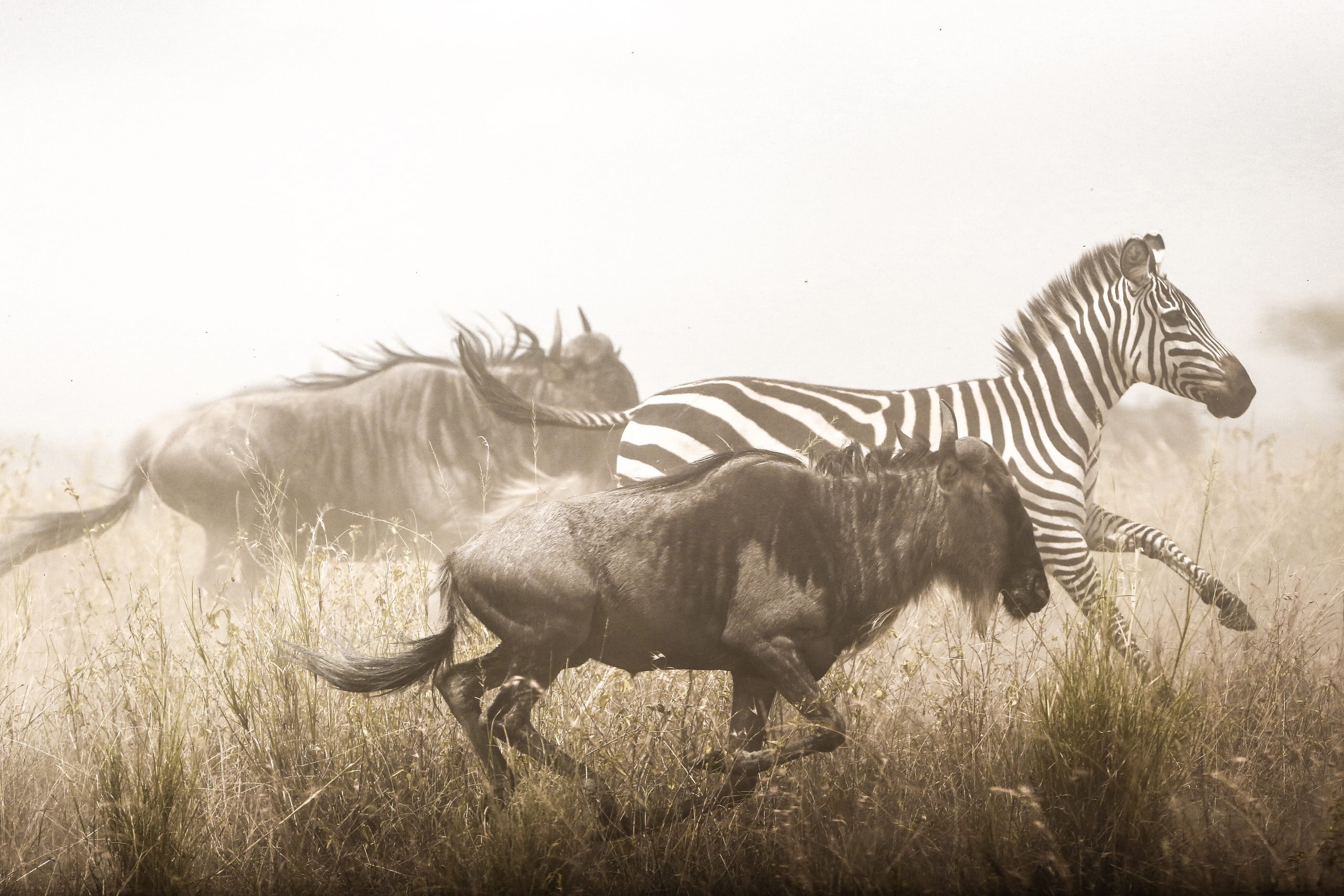
Zebra and Antelope
Plains zebra, impala, Thomson’s gazelle, Grant’s gazelle, eland, waterbuck, kudu and topi are just a handful of the antelope species that support Tanzania’s rich predator populations.
These grazing animals form the foundation of the country’s remarkable ecosystems.
The Great Migration
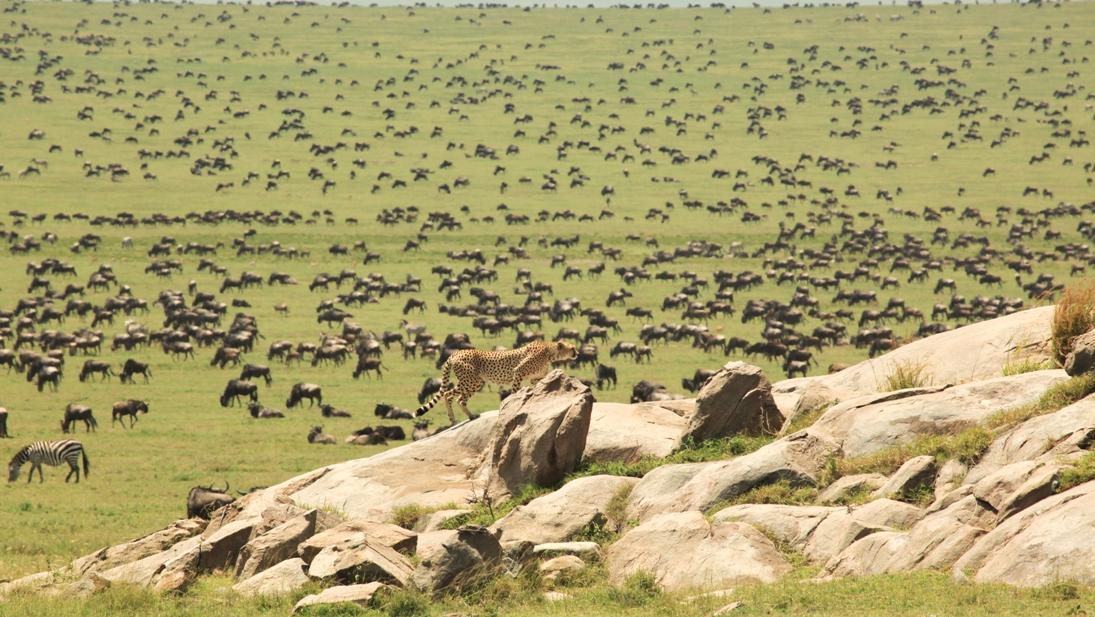
No discussion of wildlife in Tanzania would be complete without mentioning the Great Migration.
Every year, more than two million wildebeest, accompanied by hundreds of thousands of zebra and gazelle, move across the Serengeti ecosystem in search of fresh grazing.
The migration is not a single event but a continuous journey driven by seasonal rainfall. Along the way, predators follow closely behind, creating one of the world’s greatest natural spectacles.
Depending on the time of year, visitors may witness:
- The calving season in the southern Serengeti
- Predator activity as lions, cheetahs and hyenas hunt vulnerable young
- Dramatic Grumeti River crossings
- The famous Mara River crossings in the northern Serengeti
Each stage offers a completely different safari experience.
Tanzania’s Remarkable Birdlife
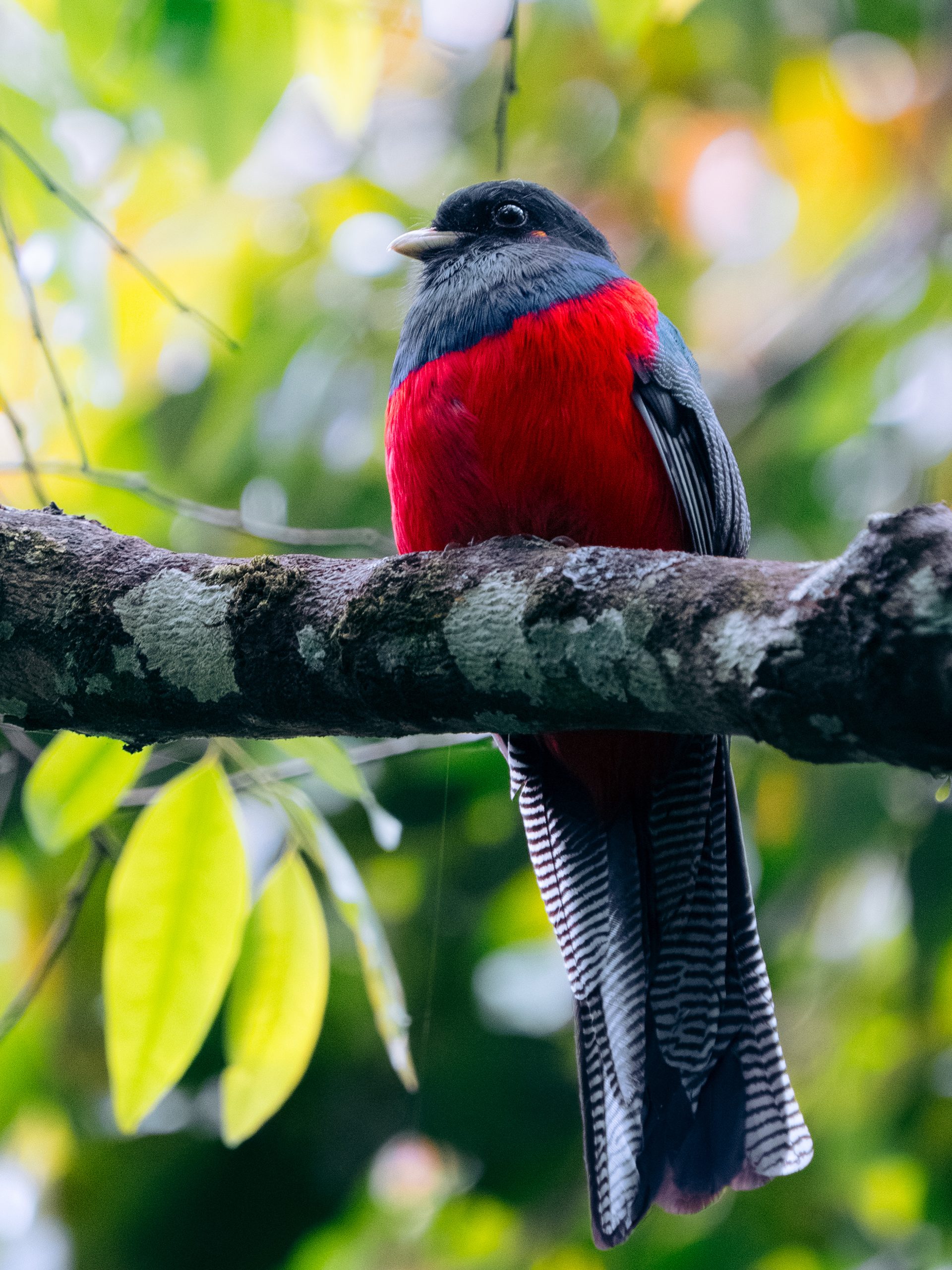
Although many visitors come for the large mammals, Tanzania is also a world-class birding destination.
With more than 1,100 recorded bird species, the country attracts birdwatchers from around the globe.
Some of the most sought-after species include:
- Lilac-breasted roller
- African fish eagle
- Kori bustard
- Secretary bird
- Southern ground hornbill
- Grey crowned crane
- Various kingfishers, bee-eaters and sunbirds
During the green season, migratory birds from Europe and Asia add even greater diversity.
Wildlife Across Tanzania’s National Parks
One of the reasons Tanzania is such a rewarding safari destination is the variety of ecosystems found across its parks.
Serengeti National Park
The Serengeti is synonymous with African safari.
Its endless grasslands support enormous populations of predators, herbivores and migratory wildlife, making it one of the finest places on Earth to experience untamed nature.
Tarangire National Park
Known for ancient baobab trees and exceptional elephant numbers, Tarangire offers a quieter safari experience with abundant wildlife concentrated around the Tarangire River during the dry season.
Ruaha National Park
As Tanzania’s largest national park, Ruaha offers remote wilderness, excellent predator sightings and a sense of exploration rarely found elsewhere.
Nyerere National Park
Formerly part of the Selous Game Reserve, Nyerere National Park combines classic game drives with boat safaris, offering opportunities to see hippos, crocodiles, elephants and prolific birdlife from the water.
Arusha National Park
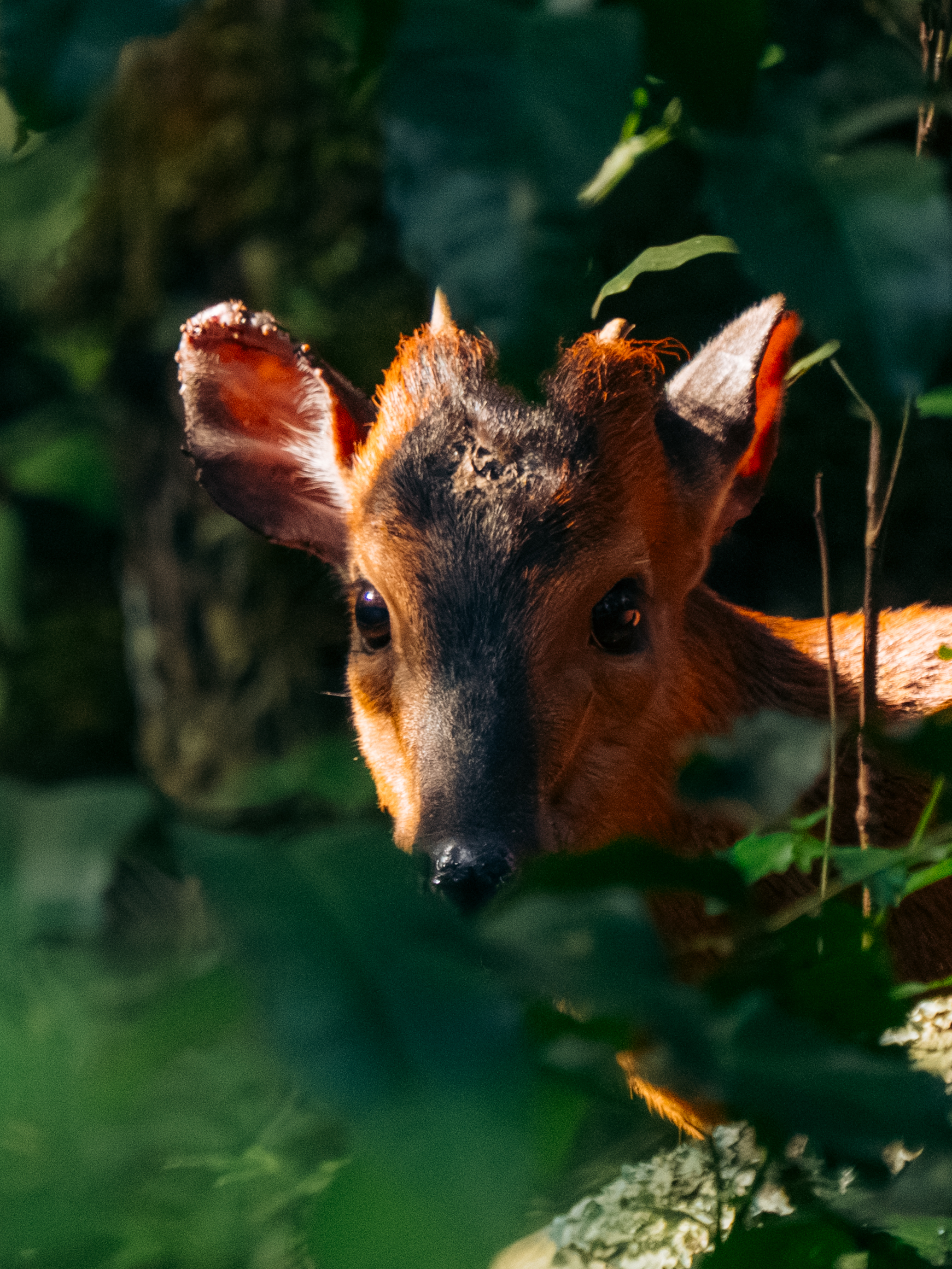
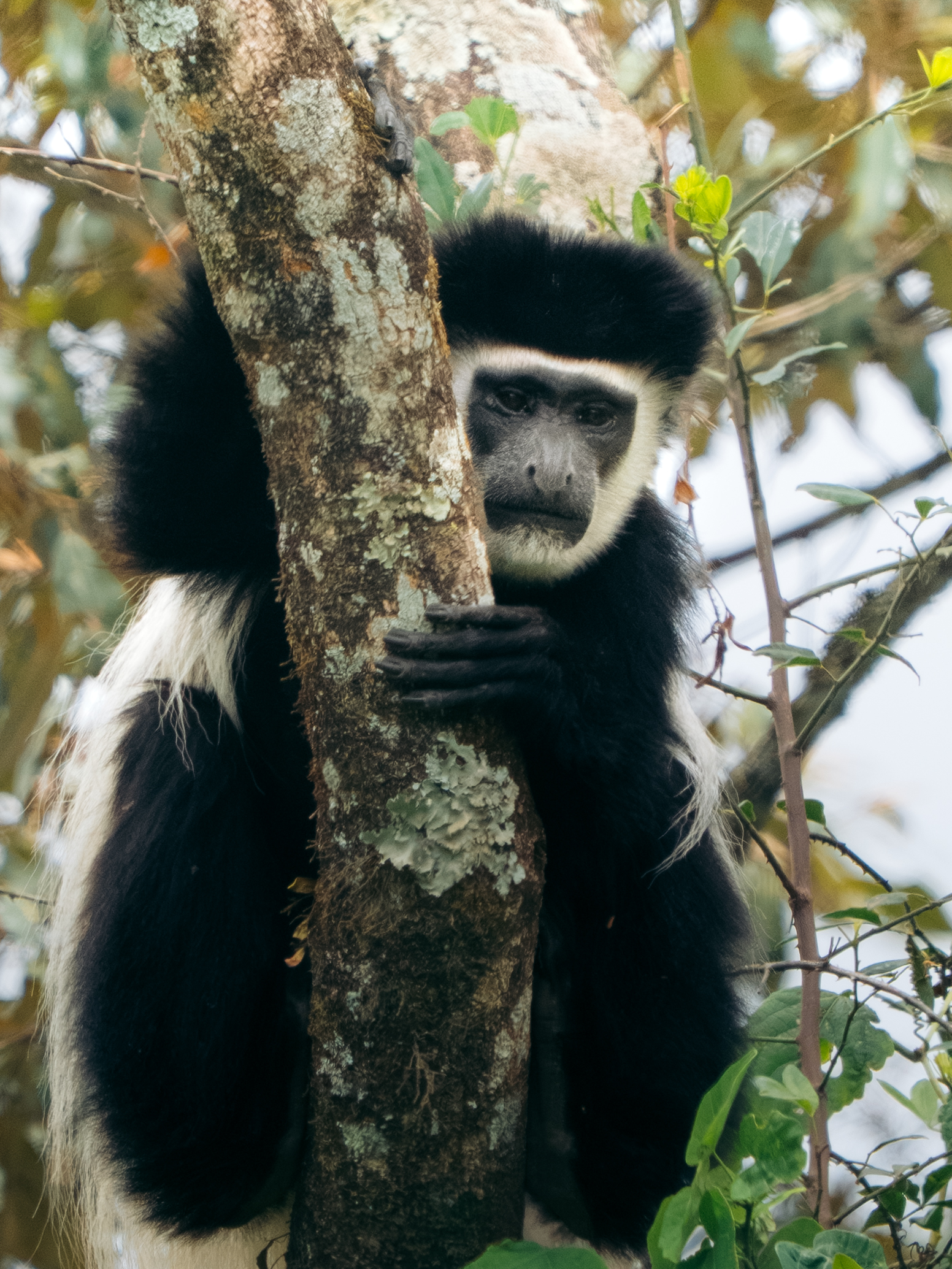
Set against the slopes of Mount Meru, Arusha National Park packs an extraordinary variety of habitats into a relatively small area. Open grasslands, montane forest, crater lakes and highland vegetation support an equally varied cast of wildlife, from giraffe, buffalo and antelope to the black-and-white colobus monkeys found in the forests surrounding Koroi Forest Camp. Its rich birdlife and forest species offer a very different wildlife experience from Tanzania’s better-known savannahs – and a reminder that there is far more to a Tanzanian safari than the Big Five.
Smaller Wildlife Matters Too
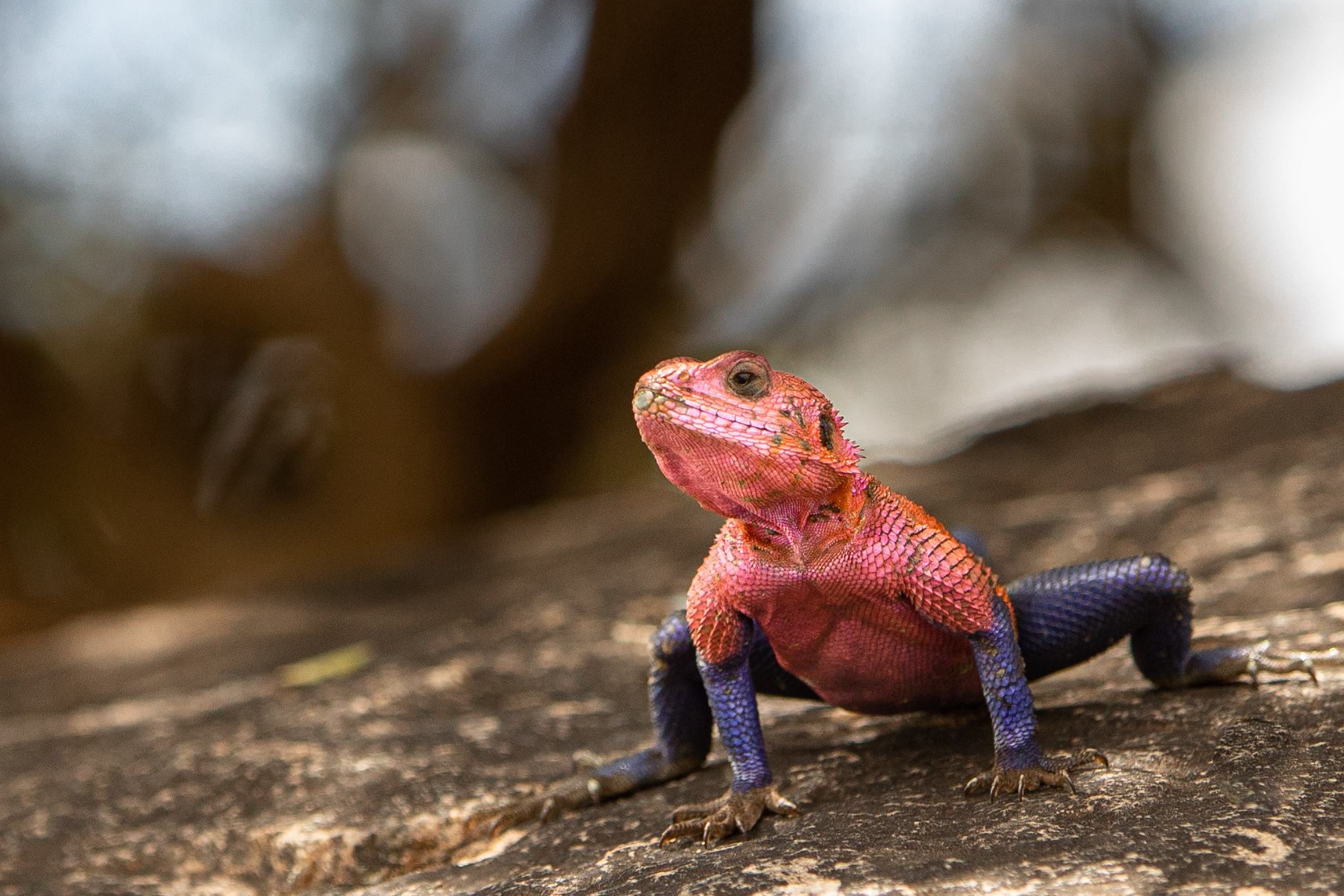
Some of Tanzania’s most memorable safari moments involve creatures that are often overlooked.
Colourful chameleons, dung beetles, bush babies, monitor lizards, frogs, butterflies and countless insects all play essential roles in maintaining healthy ecosystems.
Experienced guides often reveal fascinating behaviours that transform even the smallest sightings into unforgettable experiences.
Frequently Asked Questions
What wildlife can you see in Tanzania?
Tanzania is home to the Big Five, cheetahs, giraffes, hippos, crocodiles, wildebeest, zebra, more than 1,100 bird species and countless other mammals, reptiles and insects.
Is Tanzania good for wildlife safaris?
Yes. Tanzania is widely regarded as one of the world’s premier safari destinations thanks to its exceptional biodiversity, protected conservation areas and iconic wildlife experiences, including the Great Migration.
Where is the best place to see wildlife in Tanzania?
The Serengeti National Park is the country’s most famous wildlife destination, but Tarangire National Park, Arusha National Park, Ruaha National Park and Nyerere National Park all offer exceptional safari experiences.
When is the best time to see wildlife in Tanzania?
Wildlife can be seen throughout the year, although the dry season (June to October) generally offers the easiest game viewing as animals gather around water sources and vegetation is less dense.


