


Why your safari should continue after dark.
When most people envision a Tanzanian safari, their mind immediately floods with images of plains, forests, or acacia woodlands bathed in the sun’s glowing rays or the iconic silhouette of an acacia tree against a purple dawn. Daytime game drives are, without a doubt, a spectacular rite of passage, but as the sun dips below the horizon and the heat of the day dissipates, a secret world awakens that most travelers never get to see, or even think of seeing many times. Incorporating a night drive into your itinerary is not just a luxury, it is an essential piece of the ecological puzzle, offering a sensory-rich experience that transforms the familiar landscape into a realm of deep mystery and new characters. While the daytime is for the casual observers of nature, the nighttime belongs to the hunters and the hidden, turning the bush into an entirely new landscape from what it was a few hours ago in the daylight.
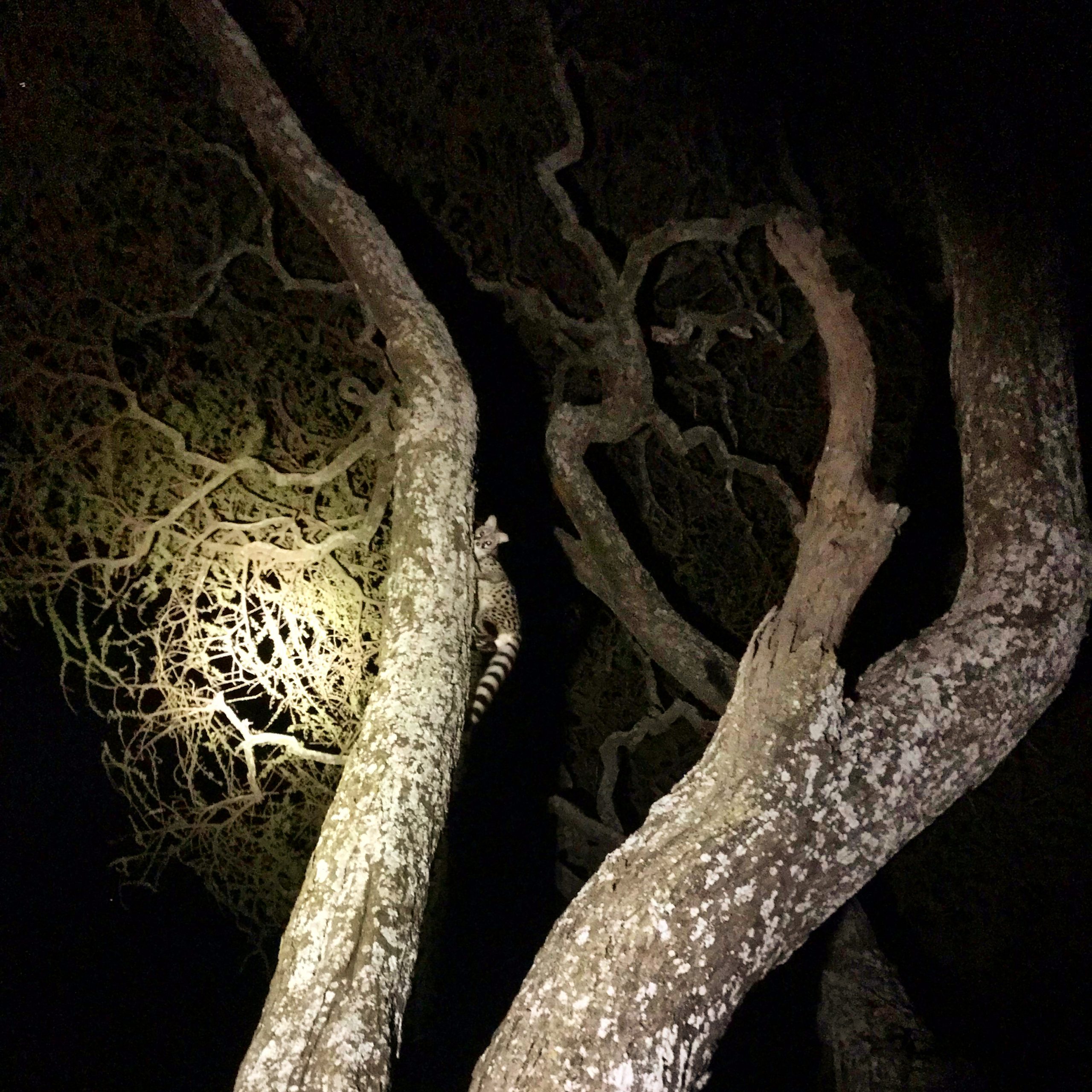
The transition begins the moment your guide switches off the main headlights and engages the soft, red-filtered spotlights. Suddenly, your world shrinks from the vast, cinematic views of the Serengeti or Tarangire to a focused, intimate circle of light. Your other senses immediately sharpen to fill the void left by the fading light, you begin to notice the rhythmic clicking of reed frogs, the distant, eerie “whoop” of a spotted hyena, and the subtle rustle of grass that signals a nearby presence. It is a more visceral way to experience the wilderness, where every pair of eyes reflecting back at you like glowing jewels tells a different story.
The primary draw of these nocturnal excursions is the opportunity to witness wildlife behavior that is virtually nonexistent during the day. Many of Tanzania’s most fascinating inhabitants are strictly nocturnal, emerging only under the cover of darkness to forage and hunt. While you might spend your morning watching a pride of lions dozing lazily in the shade of a sausage tree, the night is when they truly come alive. Watching a pride coordinate a silent ambush or catching the fleeting glimpse of a leopard (the ultimate ghost of the night) patrolling its territory is a pulse-pounding experience that daytime sightings simply cannot replicate.
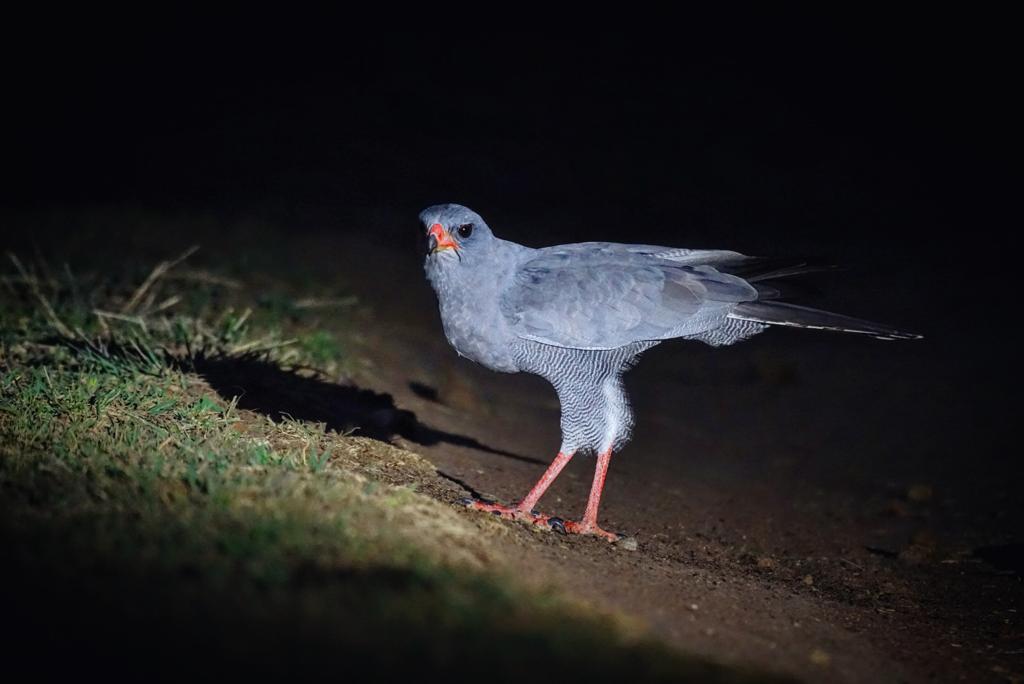
Beyond the famous predators, the night reveals a cast of characters that seem almost mythological. This is your best chance to spot the “oddities” of the bush – the elusive aardvark with its powerful digging claws, the elegant, long-tailed genet balancing on spindly branches, or the prehistoric-looking porcupine rattling its quills in warning. Even the giants of the savannah change their habits. Hippos, who spend their days submerged in water to avoid the sun’s bite, emerge as multi-ton behemoths wandering through the scrub to graze, looking remarkably different on land than they do in the river. You might also see the “springing” movement of a bush baby leaping through the canopy, their oversized eyes glowing bright orange in the spotlight, or the white-tailed mongoose darting through the undergrowth.
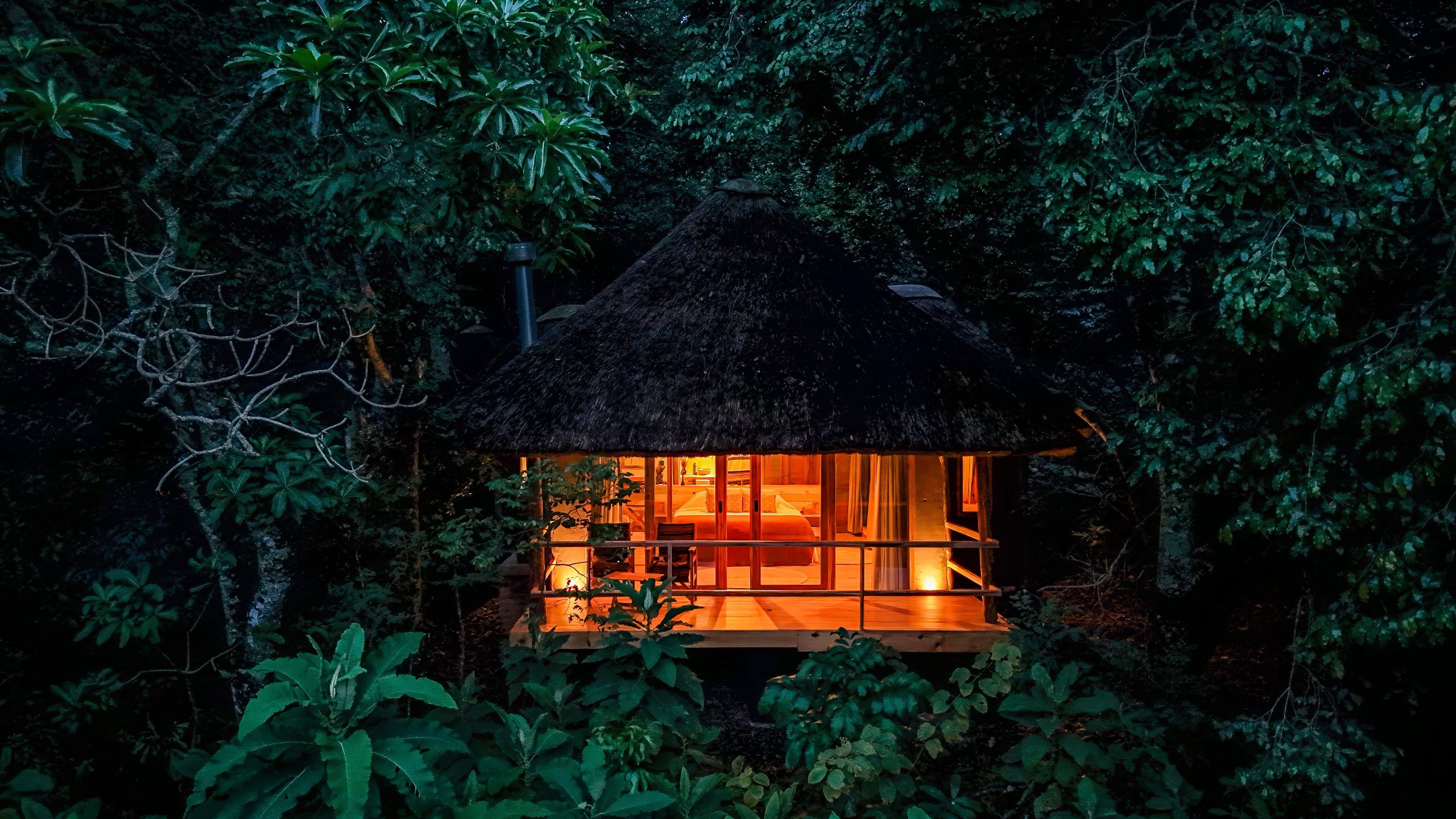
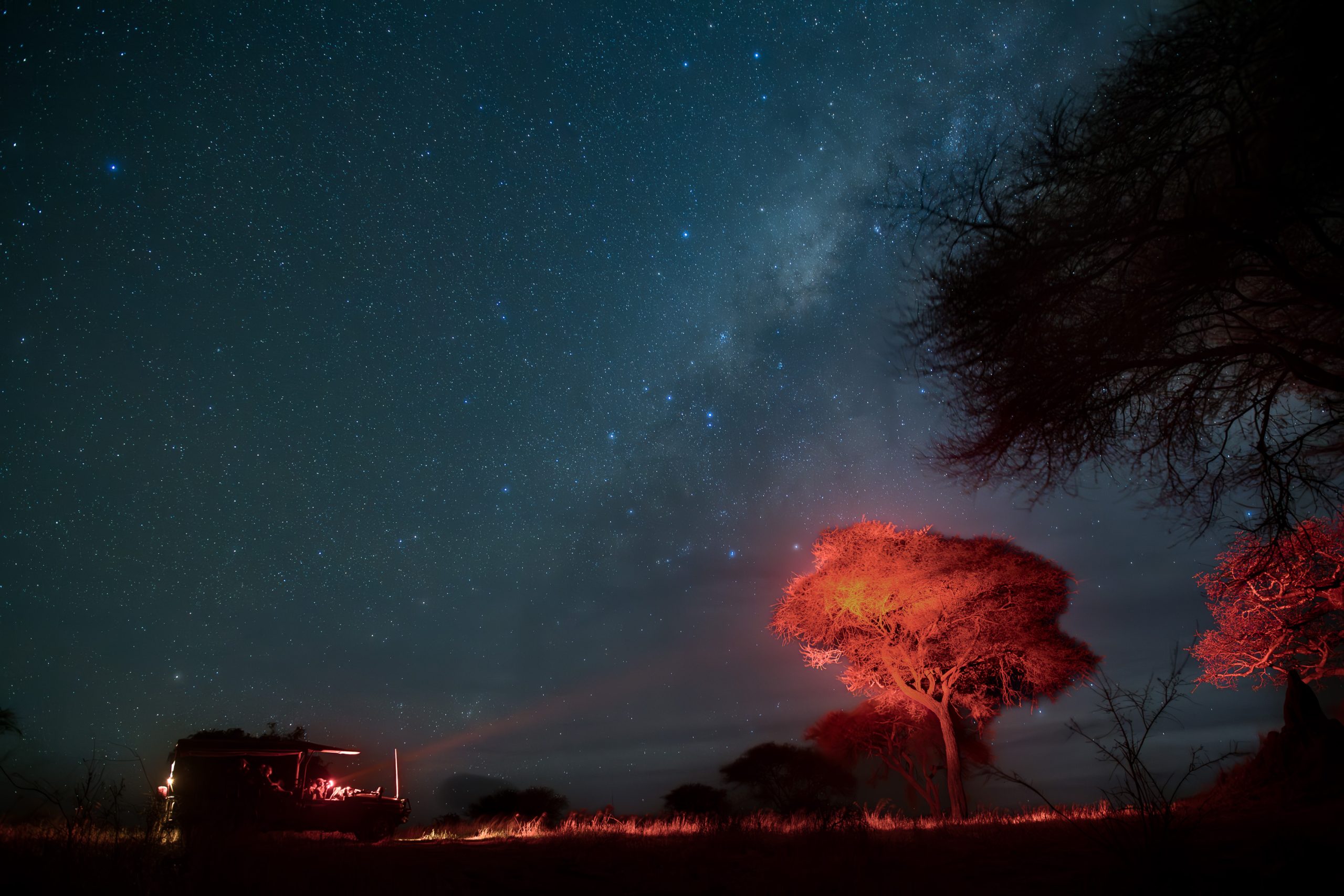
To truly appreciate the magic, one must visit the specific areas where these drives are permitted, as this varies across parks. In these pockets of wilderness, the darkness doesn’t hide the wildlife, it reveals a completely different side of their existence. Between sightings, your guide might kill the engine entirely, allowing the profound silence of the Tanzanian night to settle over you. In these moments, under a Milky Way so clear it feels tactile, you realize that a safari is about more than just checking animals off a list – it is about immersion in a complex, living world that never sleeps. By venturing out after dark, you aren’t just watching nature – you are witnessing the raw, unfiltered heartbeat of the continent.