





A Tanzania Great Migration safari is one of the most extraordinary wildlife experiences on the planet. Every year, more than 1.5 million wildebeest, joined by hundreds of thousands of zebra and gazelle, travel across the Serengeti ecosystem in search of fresh grazing. Along the way, they encounter predators, navigate rivers and give birth to the next generation, creating a spectacular cycle of life that has unfolded for thousands of years.
But the secret to experiencing the Great Migration isn’t simply choosing the right month. It’s choosing the right location.
Because the herds are constantly moving, the best safari itineraries are designed to follow the migration rather than remain in one place. This is where Entara’s approach is different. With Esirai Camp, a mobile safari camp that relocates between the Southern and Northern Serengeti each year, and Olmara Camp, a permanent camp in the wildlife-rich Eastern Serengeti, guests can experience different chapters of the Serengeti story while staying close to the action.
Understanding the Great Migration
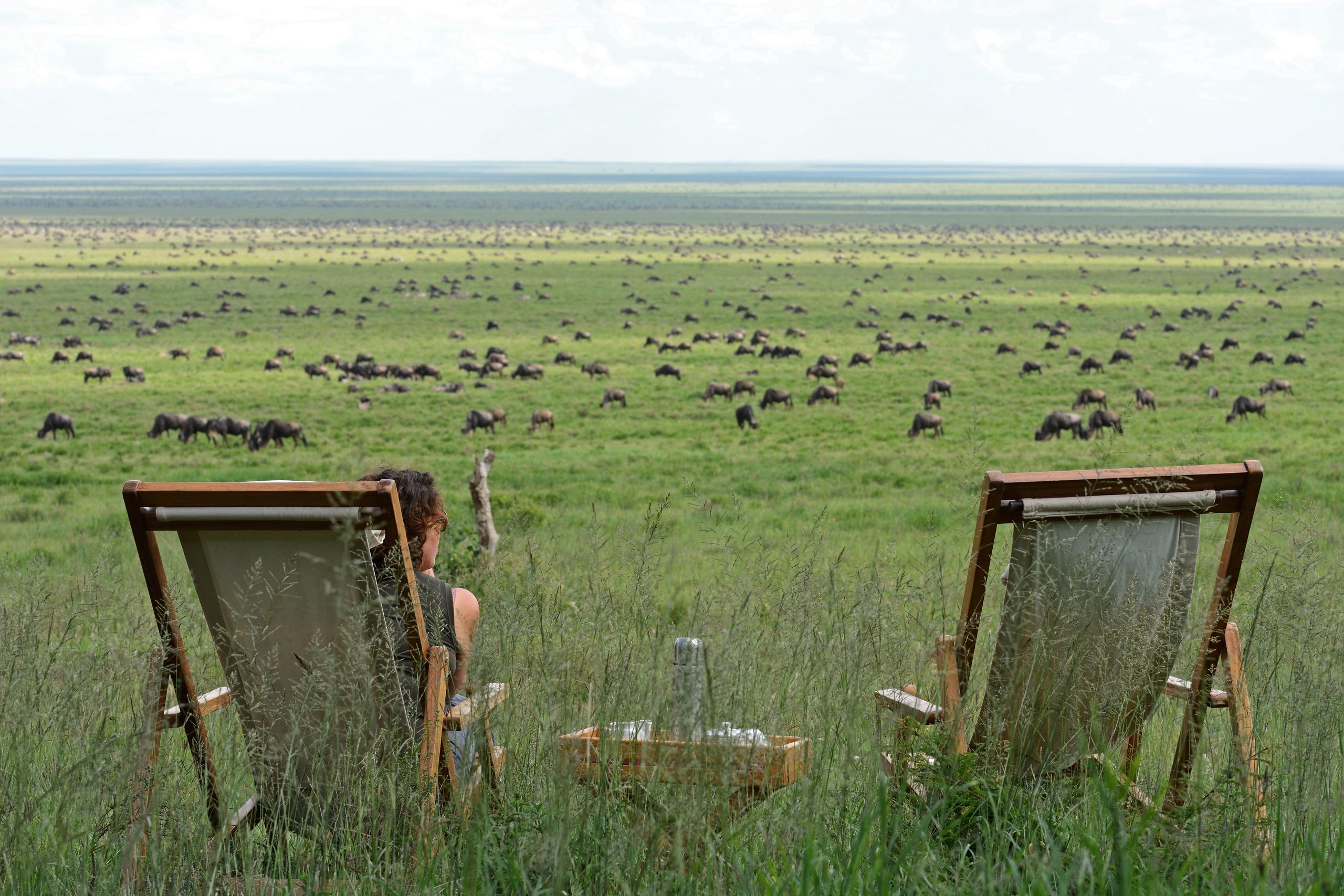
The Great Migration isn’t a single event. It is a continuous journey that follows seasonal rainfall across the Serengeti ecosystem.
Throughout the year, the herds move between different regions, with each season offering a completely different safari experience. While river crossings often dominate documentaries, they are only one chapter in a much larger story that includes calving, predator interactions, courtship, grazing and long-distance movement.
December to March: Calving Season in the Southern Serengeti
As the short rains transform the southern plains into lush grasslands, the migration returns to one of its most important destinations.
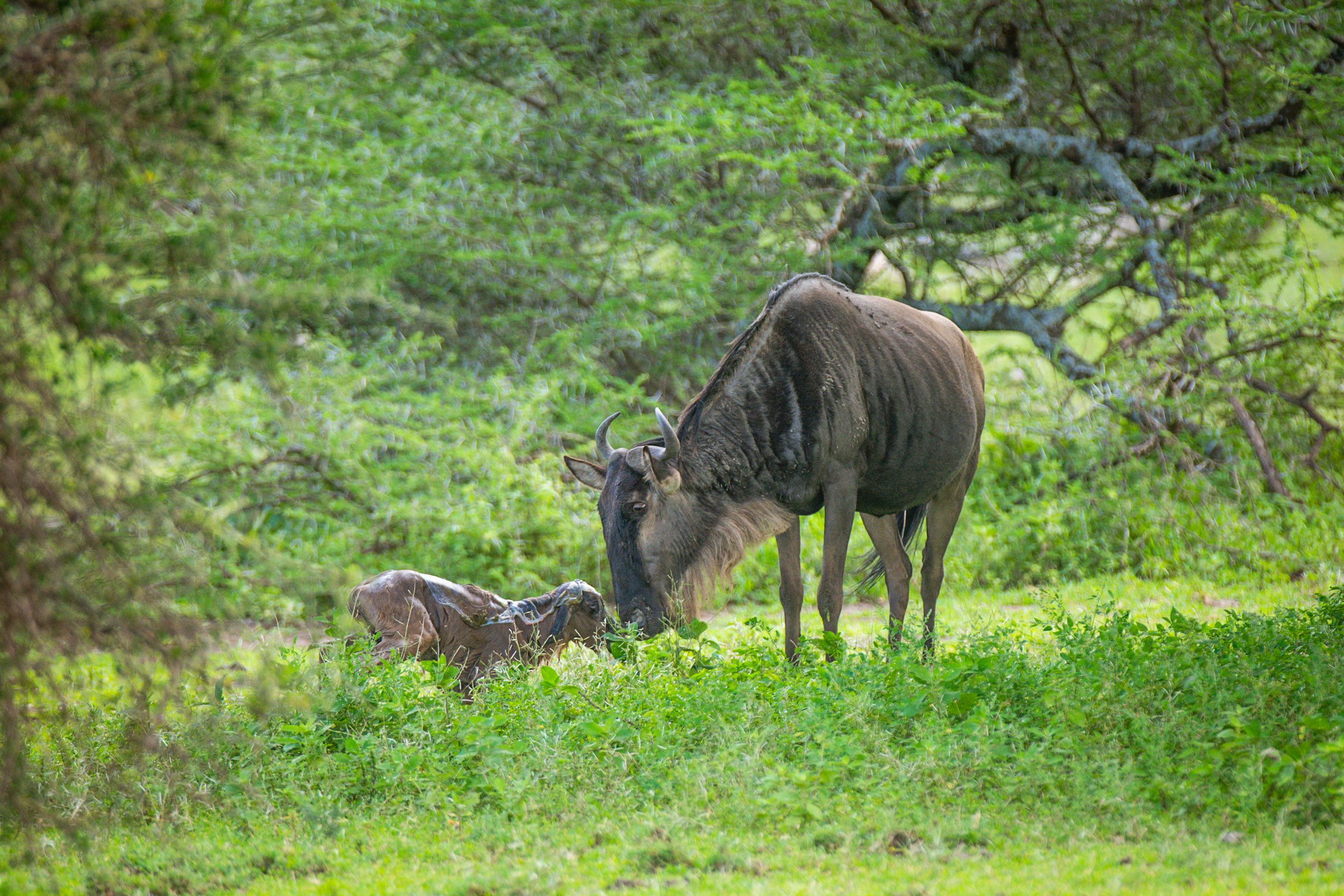
Between January and March, hundreds of thousands of wildebeest calves are born in what is recognised as the largest mammalian birthing event on Earth. The abundance of vulnerable young attracts lions, cheetahs, leopards and hyenas, making this one of the most exciting times for wildlife viewing.
Stay at Esirai Camp (Southern Serengeti)
During this period, Esirai Camp is located near Naabi Hill in the Southern Serengeti, placing guests within easy reach of the calving grounds. Unlike a permanent lodge, the camp is positioned specifically to maximise wildlife encounters during this stage of the migration while maintaining a remarkably light ecological footprint.
April to June: Following the Herds Across the Serengeti
As the rains subside, the migration begins its journey north.
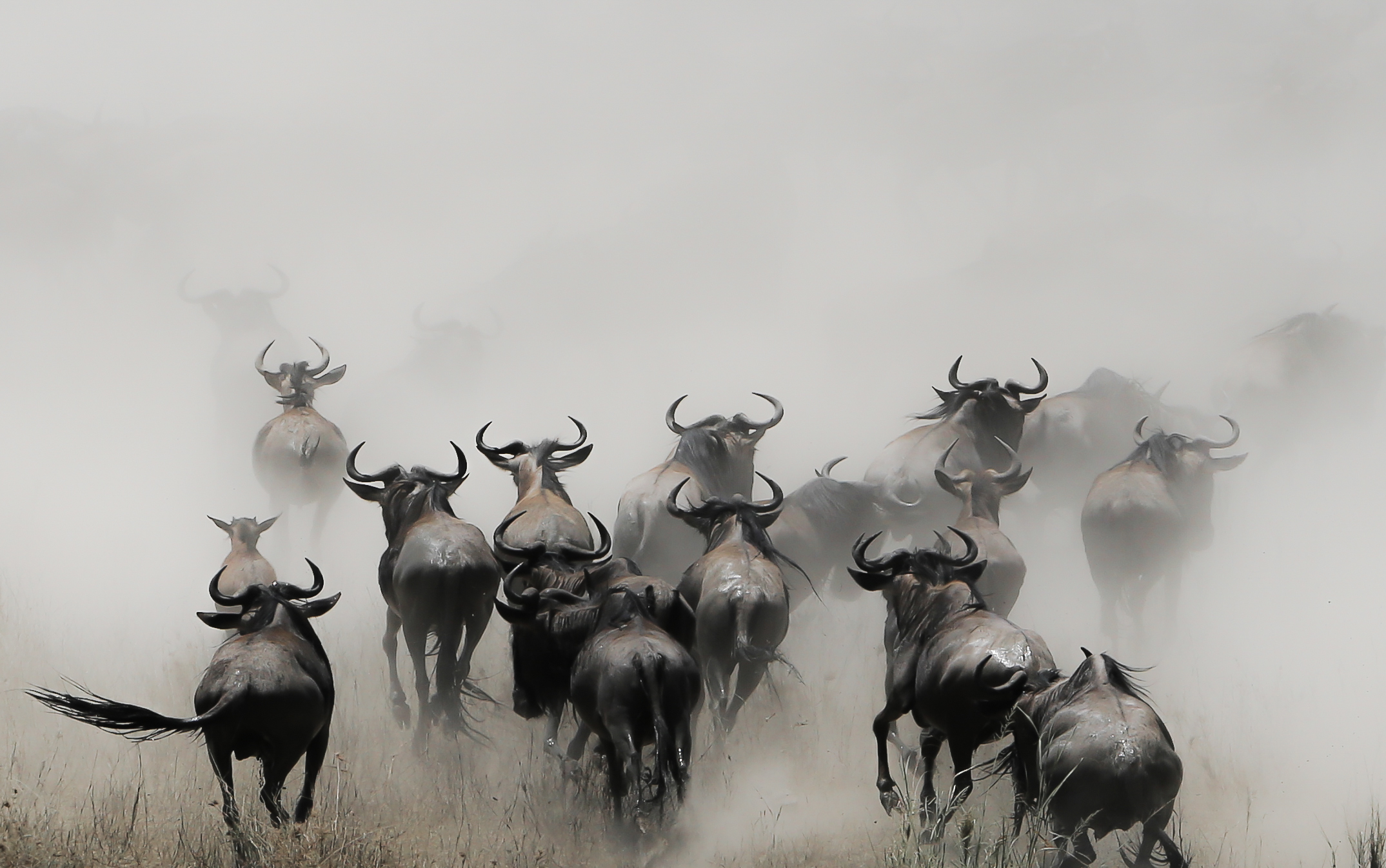
The herds spread across the vast plains, creating seemingly endless columns of wildebeest and zebra stretching towards the horizon. Predator activity remains exceptional, while visitor numbers are generally lower than during the peak river-crossing months.
Stay at Olmara Camp
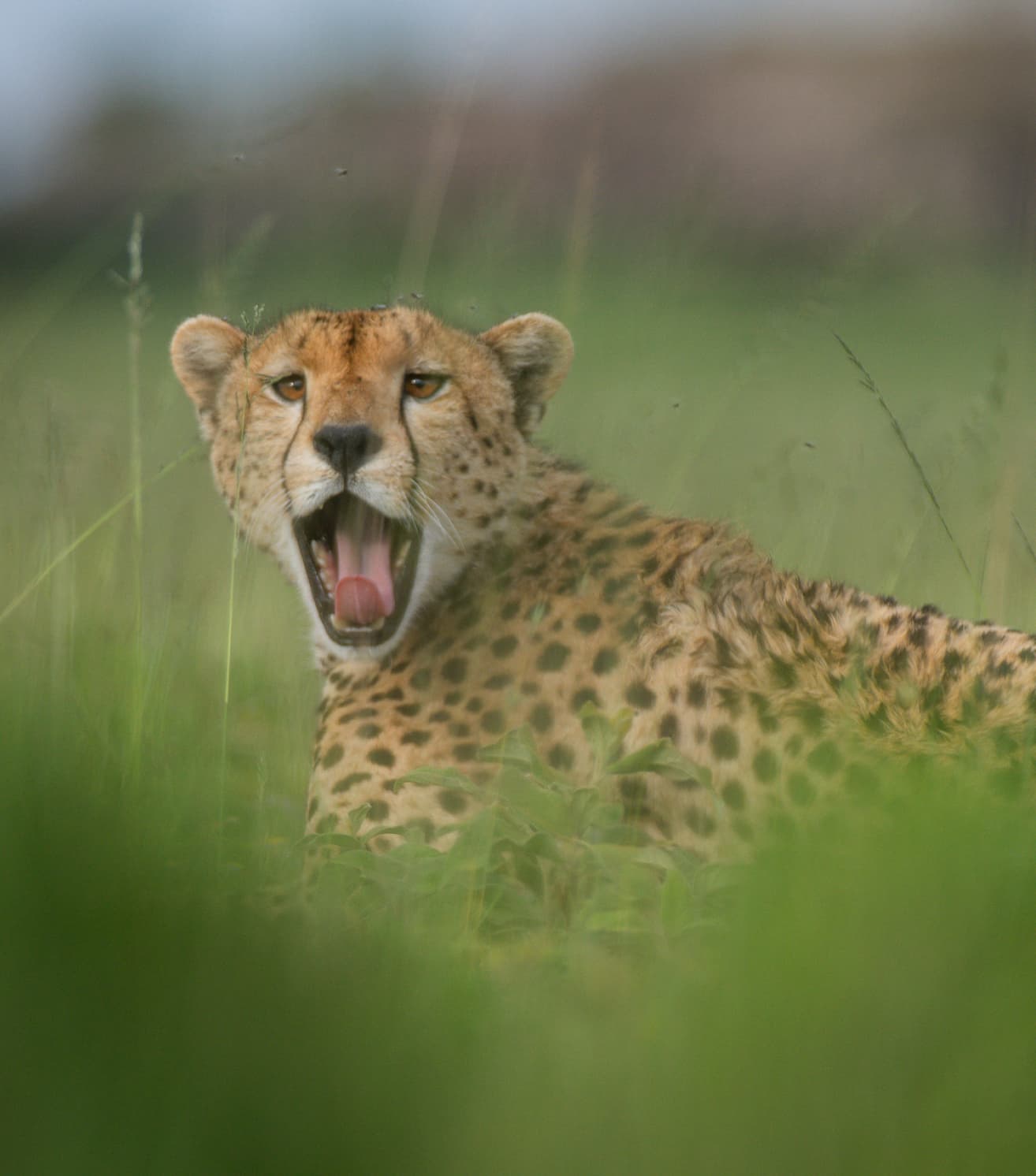
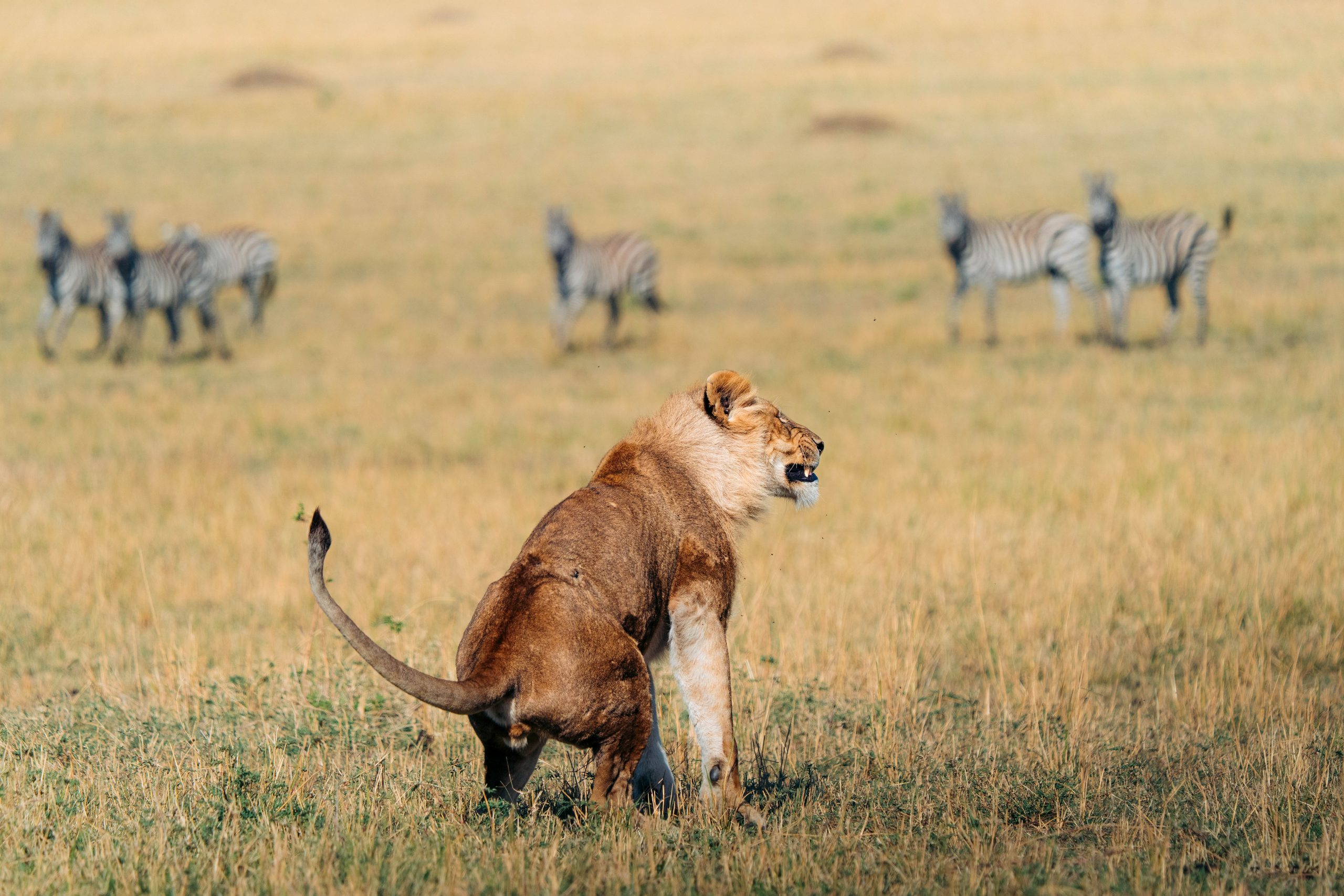
This is an excellent time to stay at Olmara Camp, located in the Soit Le Motonyi region of the Eastern Serengeti. Although the migration’s exact movements vary with rainfall, this region is renowned for its exceptional resident wildlife, particularly lions, cheetahs and leopards. It has earned a reputation as one of the finest big-cat destinations in the Serengeti and is especially popular with wildlife photographers.
Rather than focusing solely on the migrating herds, Olmara offers an opportunity to experience the Serengeti’s remarkable year-round wildlife in a remote, uncrowded setting.
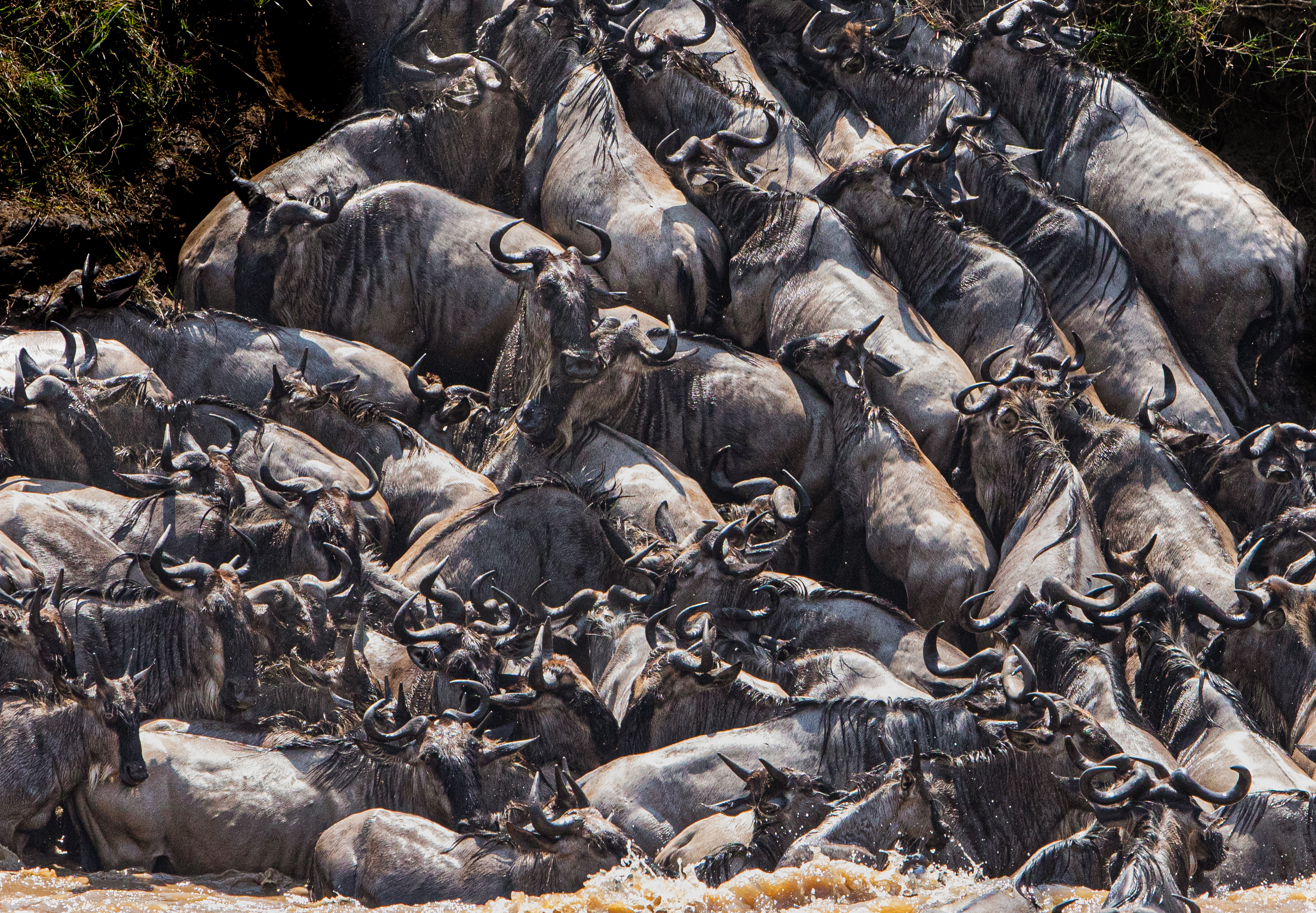
June to October: The Mara River Crossing
As the dry season progresses, the migration reaches the Northern Serengeti.
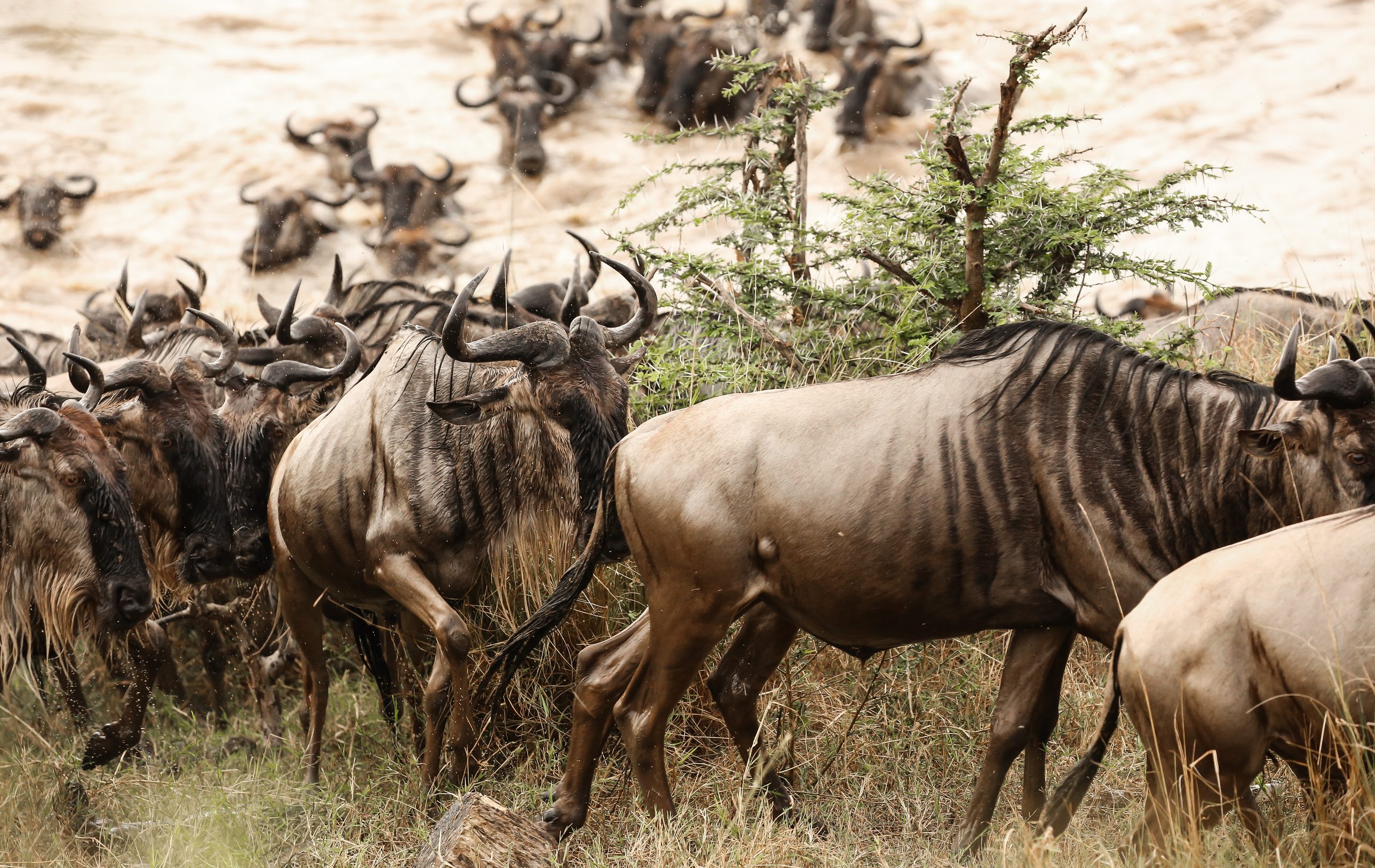
Here, thousands of wildebeest gather along the banks of the Mara River before making the dramatic crossings into Kenya. These crossings are unpredictable. Sometimes taking minutes, sometimes hours or even days, but they remain one of Africa’s most iconic wildlife spectacles.
Stay at Esirai Camp (Northern Serengeti)
Rather than building a permanent lodge, Entara relocates Esirai Camp to the Northern Serengeti for this season.
Designed to move with the migration, the entire camp is dismantled, transported and rebuilt twice each year, allowing guests to stay close to the herds without compromising the wilderness experience. This unique concept means less time travelling across the park and more time immersed in the migration itself.
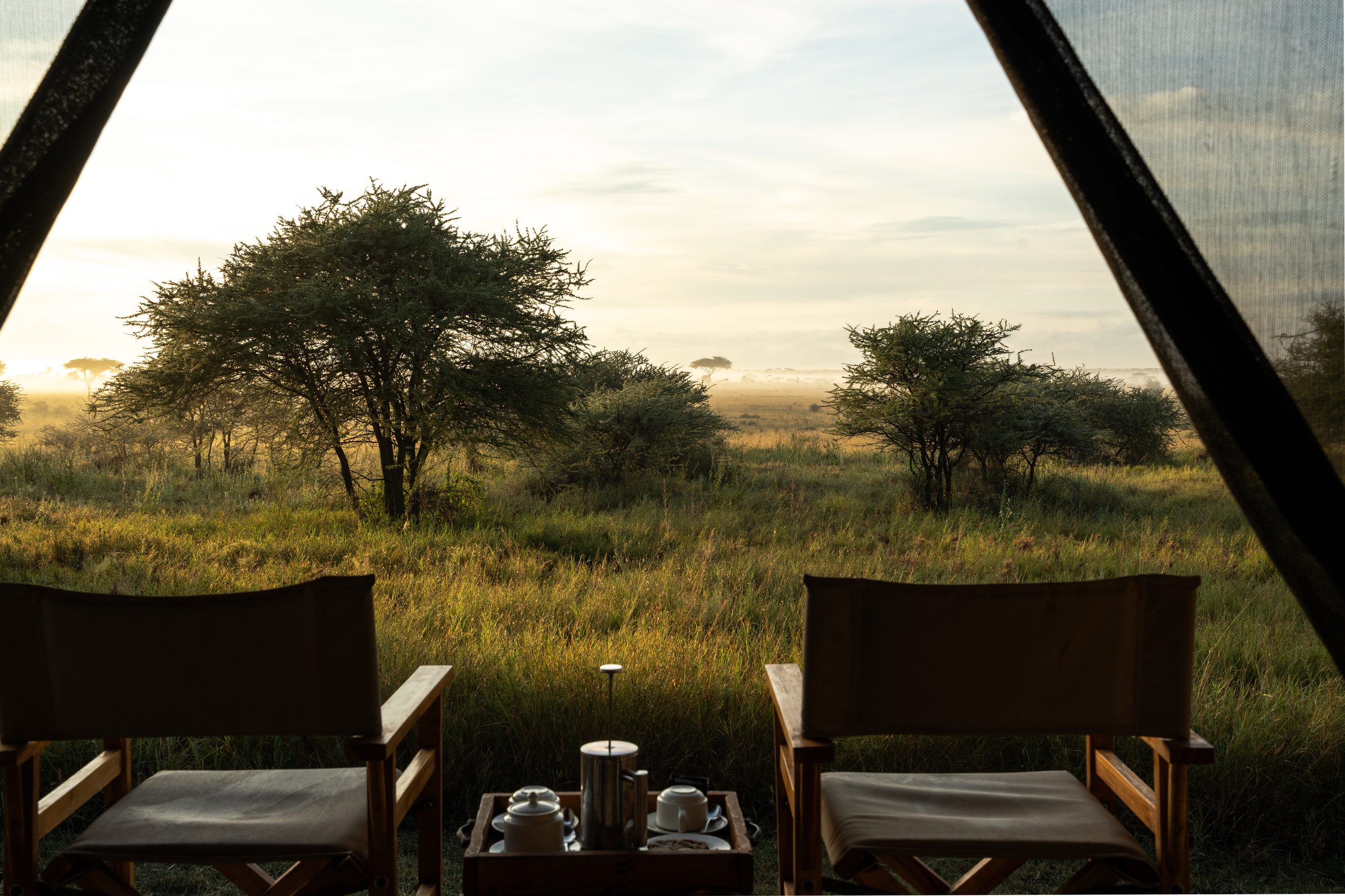
November: A Time of Transition
As the first seasonal rains arrive, the herds begin their journey south once again.
This quieter period offers beautiful green landscapes, excellent birdlife and rewarding wildlife viewing as the Serengeti prepares for another calving season. Depending on rainfall patterns, the migration may already be moving through parts of the eastern and southern Serengeti.
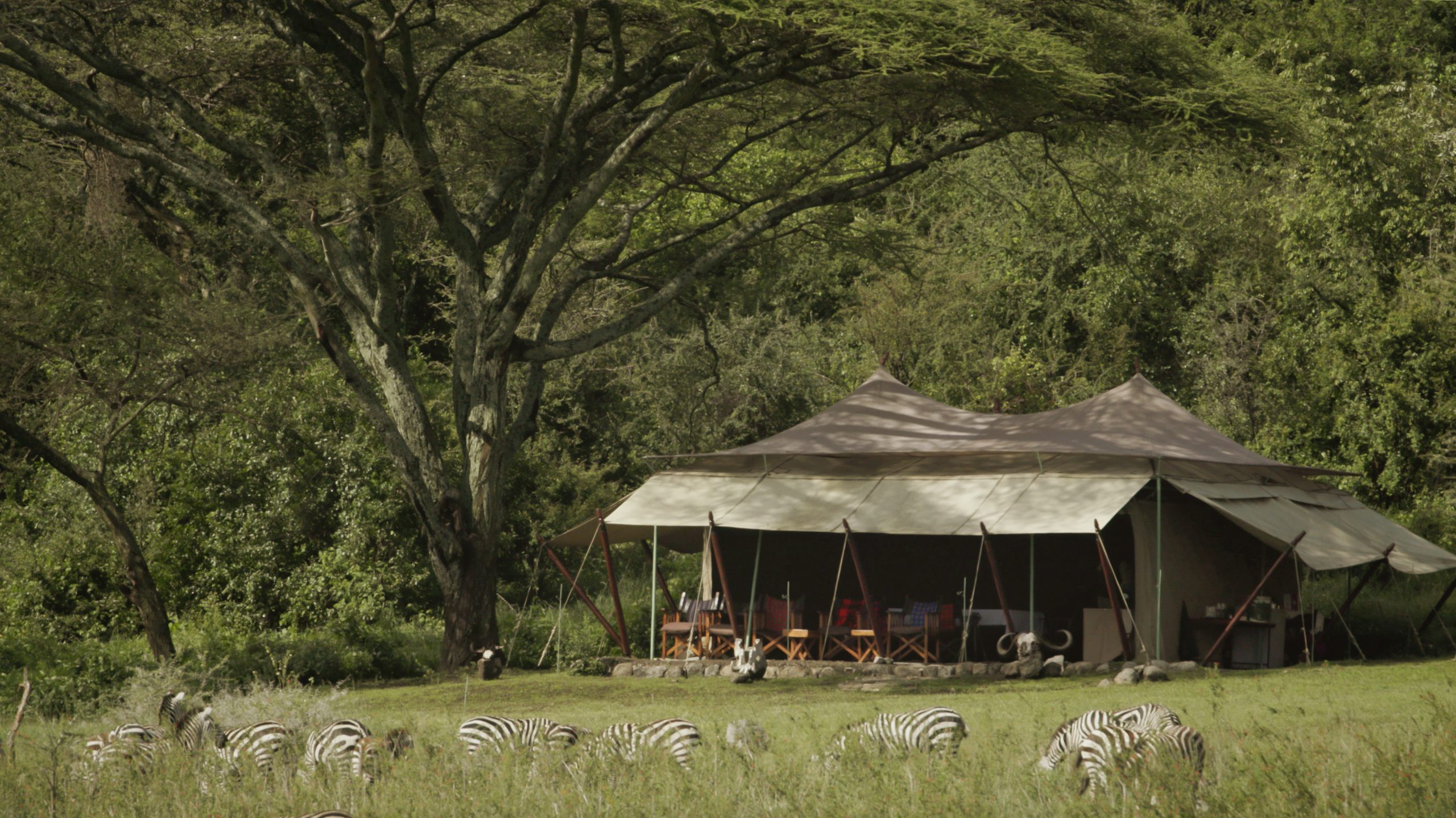
Why Entara’s Approach Is Different
Many safari lodges remain in one location all year, meaning guests often need to undertake long drives to reach the migration.
Entara takes a different approach.
Esirai Camp was purpose-built as a mobile migration camp. With just eight tents, it moves approximately 180 kilometres twice each year between the Southern and Northern Serengeti, allowing guests to experience both the calving season and the Mara River crossing from prime locations.
Meanwhile, Olmara Camp provides a completely different Serengeti experience. Situated in the Eastern Serengeti’s predator-rich Soit Le Motonyi region, it offers exceptional year-round game viewing, walking safaris, fly camping and access to some of the park’s most productive big-cat territory.
Together, these two camps allow guests to experience not only the migration but the wider Serengeti ecosystem in all its diversity.
A Suggested Entara Great Migration Itinerary
Days 1–3: Olmara Camp – Eastern Serengeti
Begin your safari in one of the Serengeti’s finest wildlife areas. Spend your days tracking lions, cheetahs, leopards and elephants while enjoying the camp’s remote location and exceptional guiding. Depending on the season, migrating herds may also be present.
Days 4–7: Esirai Camp
Continue your journey at Esirai Camp, whose location changes with the seasons.
- December to March: Experience the calving season in the Southern Serengeti.
- June to October: Witness the build-up to the Mara River crossings in the Northern Serengeti.
Because the camp follows the migration, your safari naturally aligns with one of the year’s most significant wildlife events.
The Great Migration Is About More Than River Crossings
Although river crossings receive most of the attention, many seasoned safari travellers will tell you that the migration is extraordinary throughout the year.
Some of the most memorable moments include:
- Watching newborn wildebeest take their first steps.
- Seeing cheetahs stalk prey across the short-grass plains.
- Listening to thousands of wildebeest moving through the night.
- Photographing lions resting on granite kopjes.
- Watching elephants, giraffes and resident wildlife share the landscape with the migration.
Every season tells a different story, and every safari is unique.
Planning Your Tanzania Great Migration Safari
To make the most of your journey:
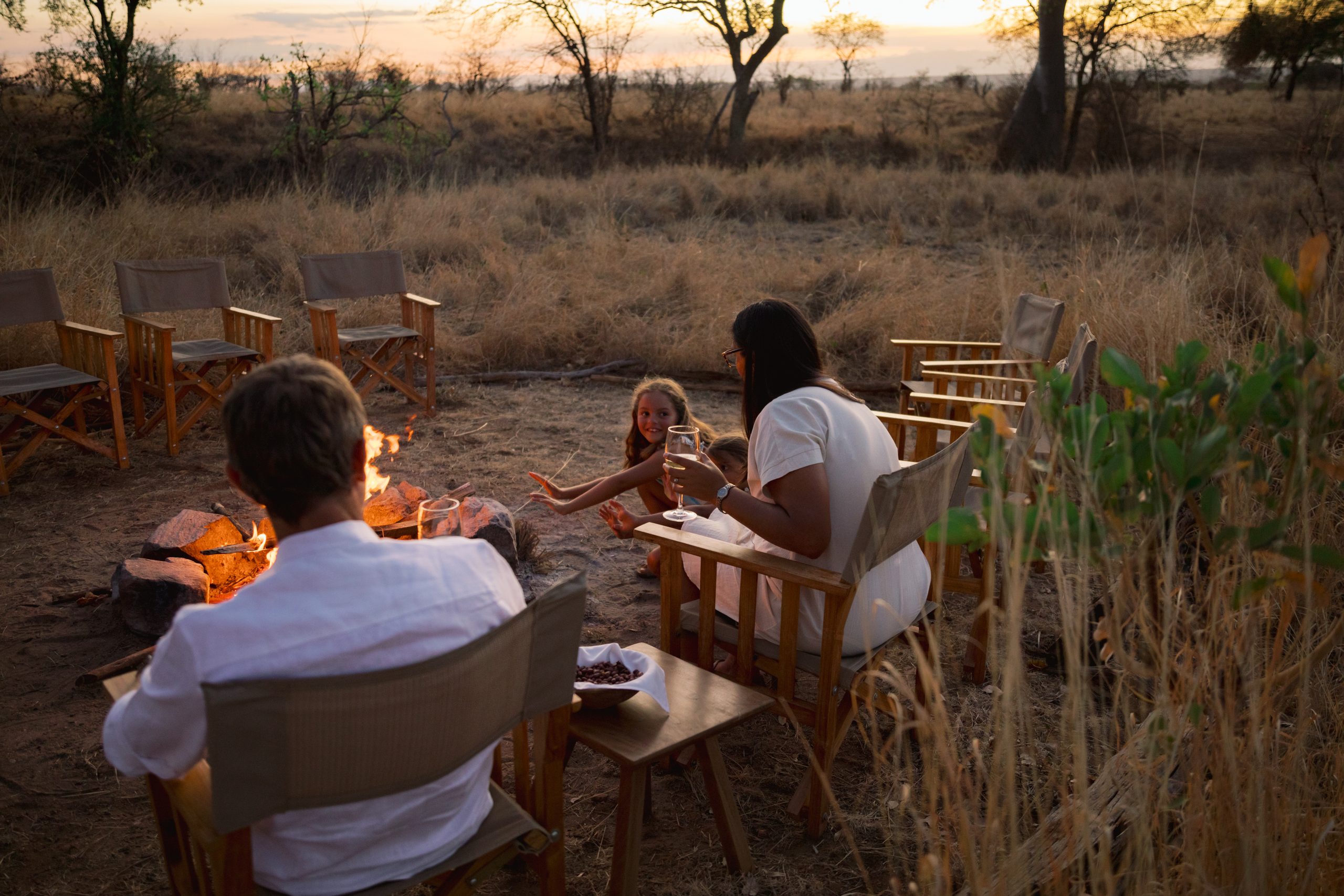
Remember that some of the most rewarding experiences happen away from the crowds.
Travel for at least seven to ten days to experience different regions of the Serengeti.
Choose accommodation based on where the migration is expected to be—not simply on a map.
Be flexible. The migration follows rainfall, not fixed dates.
Travel with knowledgeable guides who understand seasonal wildlife movements.
Experience the Great Migration with Entara
A Tanzania Great Migration safari is not simply about witnessing millions of animals on the move. It’s about understanding the rhythm of one of the world’s last great wildernesses.
Entara’s Serengeti camps have been designed to help guests experience that rhythm in an authentic and meaningful way. Esirai Camp moves with the migration itself, bringing you closer to both the calving season and the Mara River crossings, while Olmara Camp showcases the Serengeti’s extraordinary resident wildlife from one of its most celebrated big-cat regions.
Together, they offer a safari that goes beyond simply seeing the migration—it allows you to become part of its journey.
Frequently Asked Questions
What is the best time for a Tanzania Great Migration safari?
There is no single best time. January to March is ideal for the calving season, while June to October offers the chance to witness the Mara River crossings. Every stage of the migration has its own highlights.
Which Entara camps are best for the Great Migration?
Esirai Camp is Entara’s dedicated mobile migration camp and relocates between the Southern and Northern Serengeti to stay close to the herds. Olmara Camp complements the experience with exceptional year-round wildlife viewing in the Eastern Serengeti.
How many days should I allow?
A minimum of seven days is recommended, while eight to ten days allows you to experience multiple regions of the Serengeti at a relaxed pace.
Can the Great Migration be guaranteed?
No. The Great Migration is a natural phenomenon influenced by rainfall and grazing conditions. Choosing experienced guides and camps positioned in the right region for the season gives you the best opportunity to witness this extraordinary event.


