


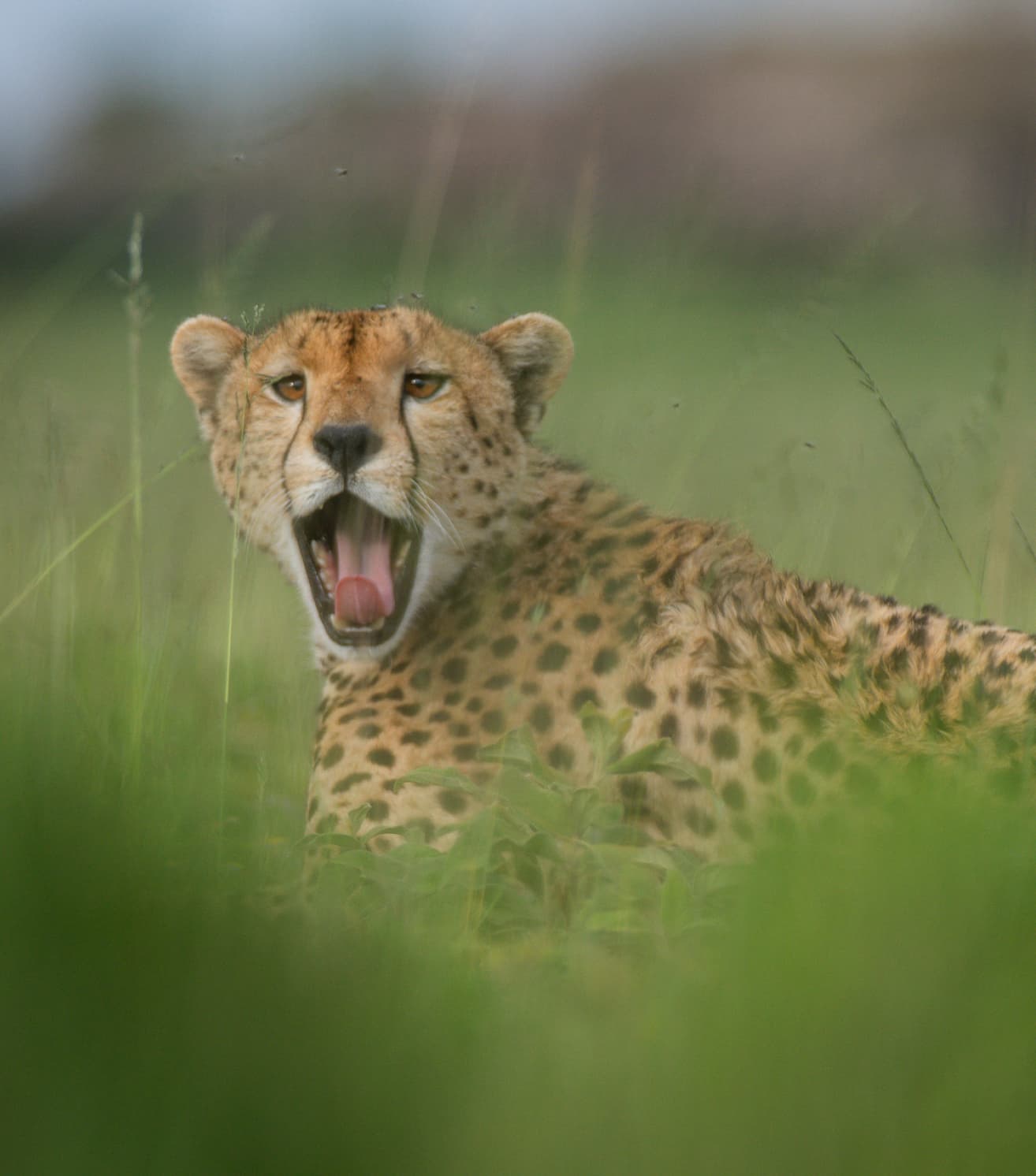



A safari is one of the most memorable holidays a family can experience together. From spotting elephants for the first time to watching giraffes stroll across the plains at sunset, every day offers moments that inspire curiosity, connection and a lifelong love of nature.
A Tanzania family safari combines extraordinary wildlife, welcoming hospitality, authentic cultural interactions and unforgettable adventures in some of Africa’s most iconic landscapes. With careful planning and the right itinerary, it can be an enriching experience for travellers of all ages.
Whether you’re travelling with young children, teenagers or multiple generations, this guide will help you plan a family safari that balances adventure, comfort and unforgettable memories.
Is Tanzania a Good Destination for Families?
Absolutely.
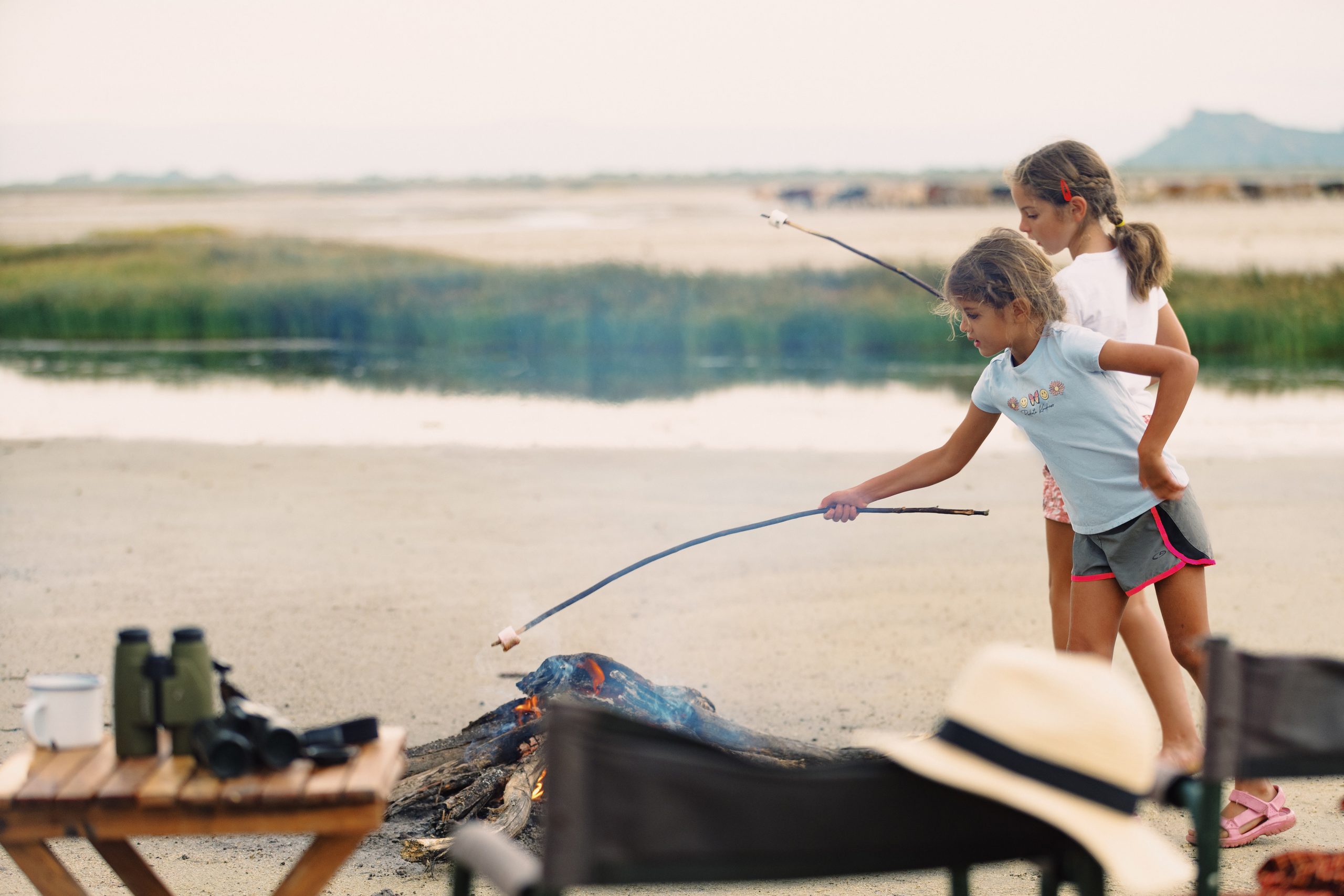
Tanzania is one of Africa’s finest safari destinations for families thanks to its incredible wildlife, diverse landscapes and excellent range of family-friendly lodges and camps. Many safari properties offer spacious accommodation, flexible dining, child-friendly activities and guides who are skilled at engaging younger guests.
Beyond game drives, children can learn about conservation, local cultures, tracking animals, birds and insects, making the journey educational as well as exciting.
A well-planned Tanzania family safari offers experiences that simply cannot be recreated elsewhere.
What Is the Best Age for Children on Safari?
There is no perfect age, but the experience will vary depending on your children’s interests and attention span.
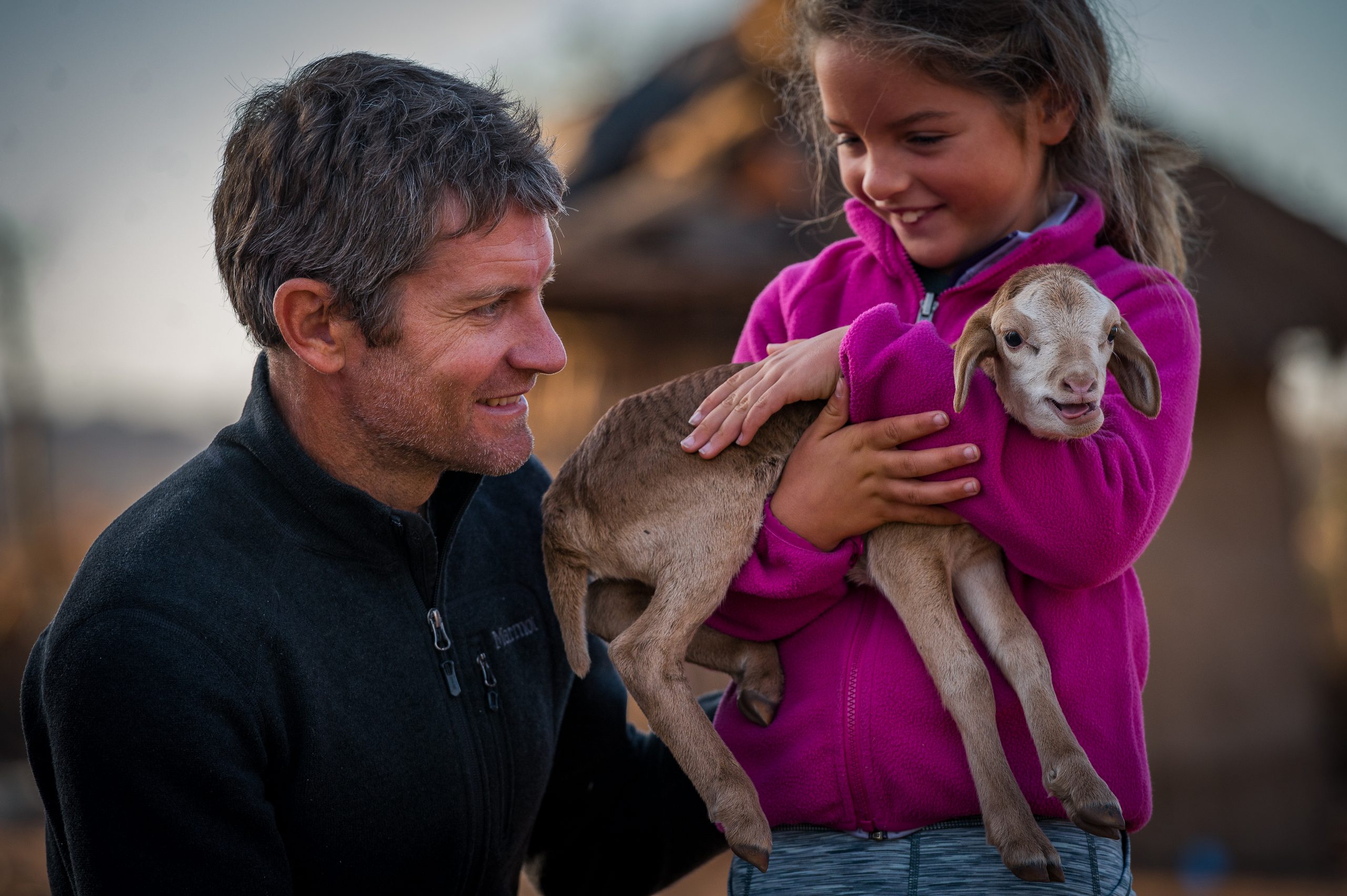
Children aged six and older often enjoy traditional game drives, while teenagers tend to appreciate longer safaris and more immersive wildlife experiences.
Many lodges also cater for younger children with tailored activities, shorter game drives and family-focused programmes. Some properties have minimum age requirements for shared game drives or walking safaris, so it’s always worth checking in advance.
Choosing accommodation that understands the needs of families can make all the difference.
The Best Places for a Tanzania Family Safari
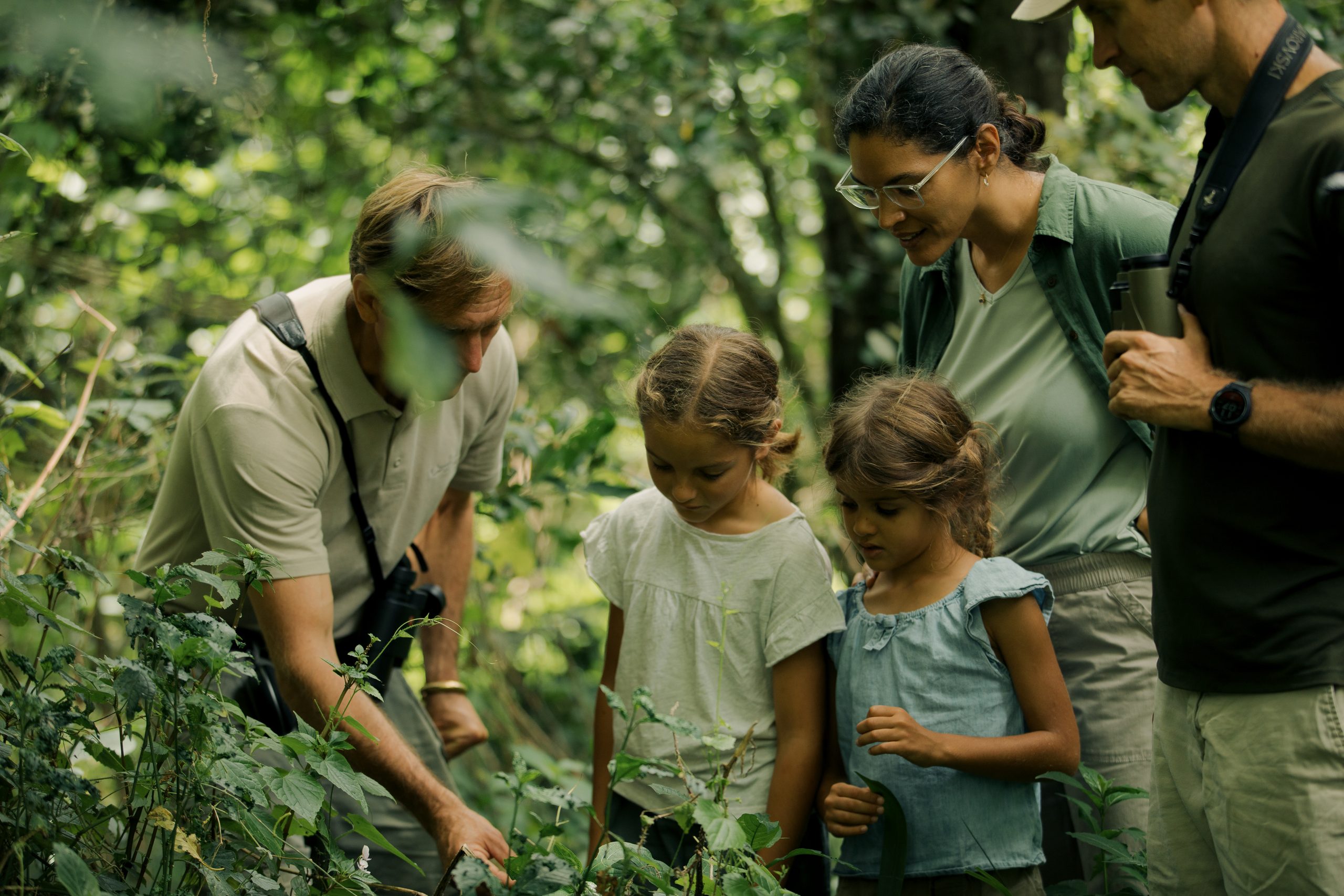
One of the great advantages of a Tanzania family safari is the variety. From forests and elephant country to the vast plains of the Serengeti, each region offers families a different way to experience Tanzania’s wildlife, landscapes and people.
Arusha & Arusha National Park
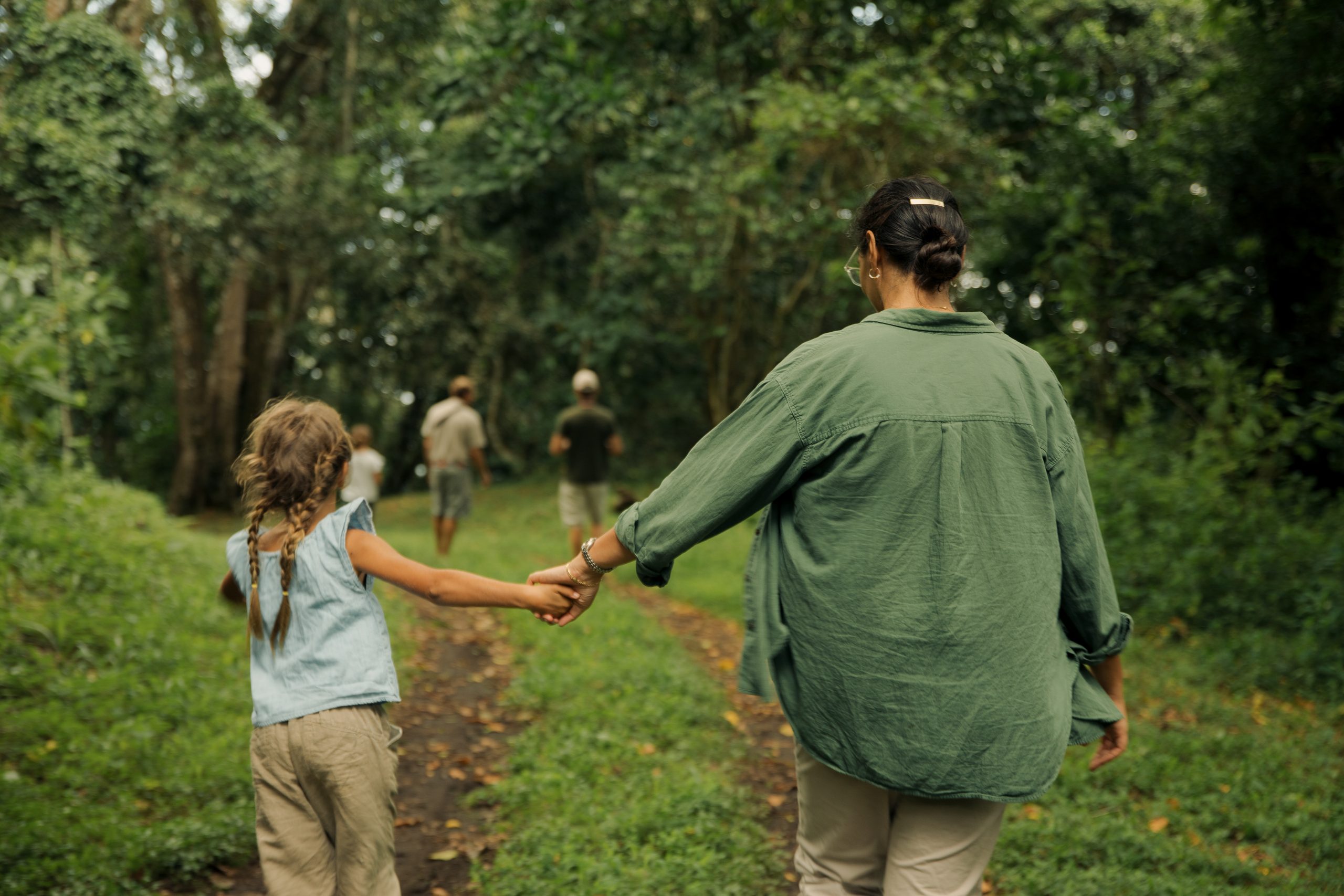
For many families, Arusha is the natural starting point for a Tanzania safari. It provides an opportunity to settle into the rhythm of the journey before venturing further into the wilderness.
Nearby Arusha National Park is particularly rewarding for families. Its forests, lakes and views of Mount Meru create a very different safari experience, with giraffe, zebra, buffalo, monkeys and exceptional birdlife to discover. The varied landscape and range of activities make it an engaging introduction to safari for younger travellers.
Koroi Forest Camp, located within Arusha National Park, allows families to begin their adventure surrounded by nature rather than simply passing through on their way to Tanzania’s better-known safari regions.
Greater Tarangire
The Greater Tarangire ecosystem is classic elephant country, known for its enormous baobab trees, diverse wildlife and quieter wilderness areas.
Entara’s Olkeri Camp is located in the Randilen Wildlife Management Area, bordering Tarangire National Park. For families, this provides the chance to experience wildlife beyond the traditional national park setting, with game drives and opportunities to explore the landscape in different ways.
Elephants are a particular highlight, and watching family herds interact around waterholes can be every bit as fascinating for children as spotting one of Africa’s big cats.
Lake Eyasi
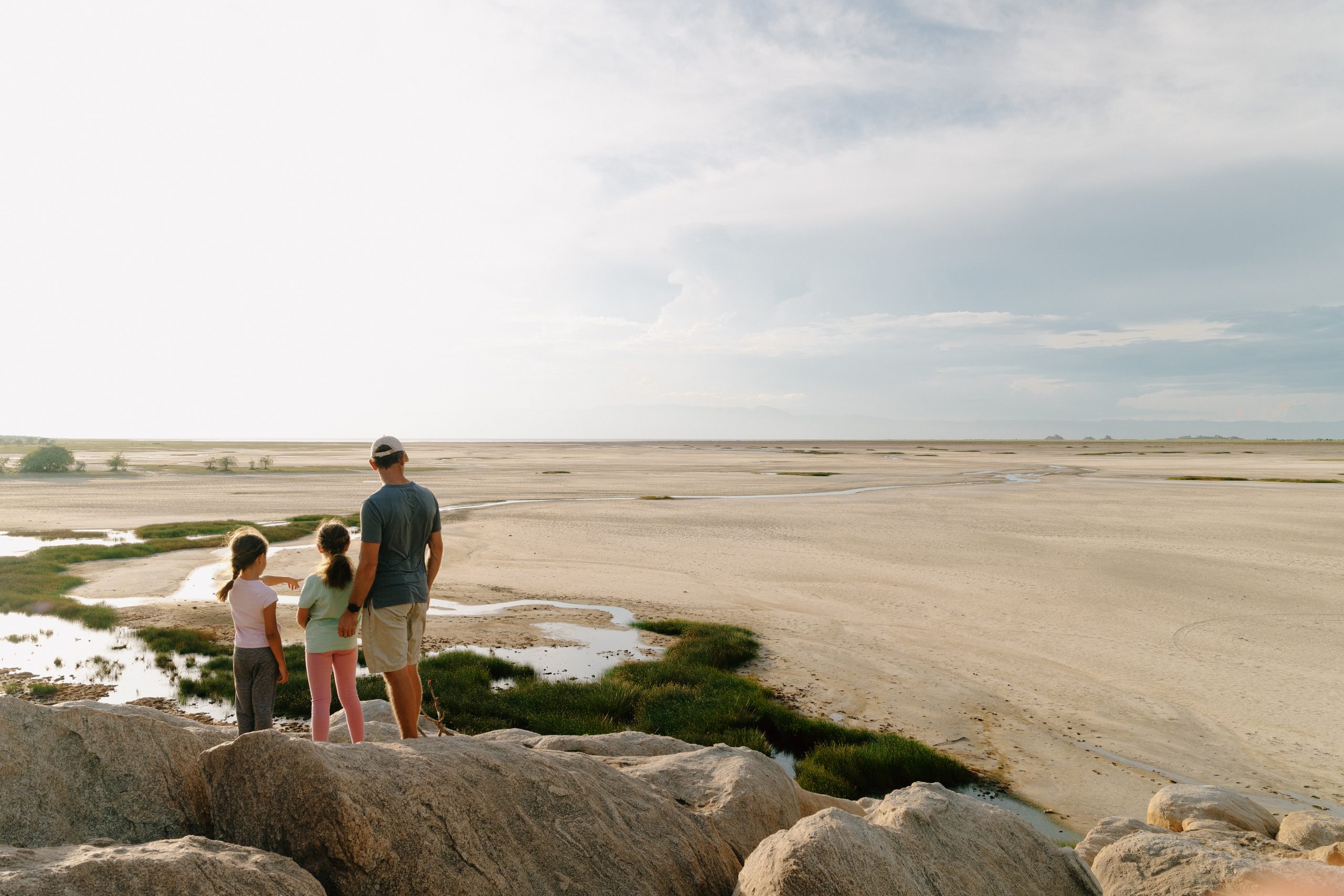
A family safari in Tanzania can be about much more than wildlife, and Lake Eyasi brings an entirely different dimension to the journey.
Set between dramatic escarpments and the Kideru Mountains, this remote region offers families an opportunity to learn about Tanzania’s landscapes, cultures and communities. Kisima Ngeda Camp sits on the shores of Lake Eyasi and provides a base from which to experience this fascinating part of northern Tanzania.
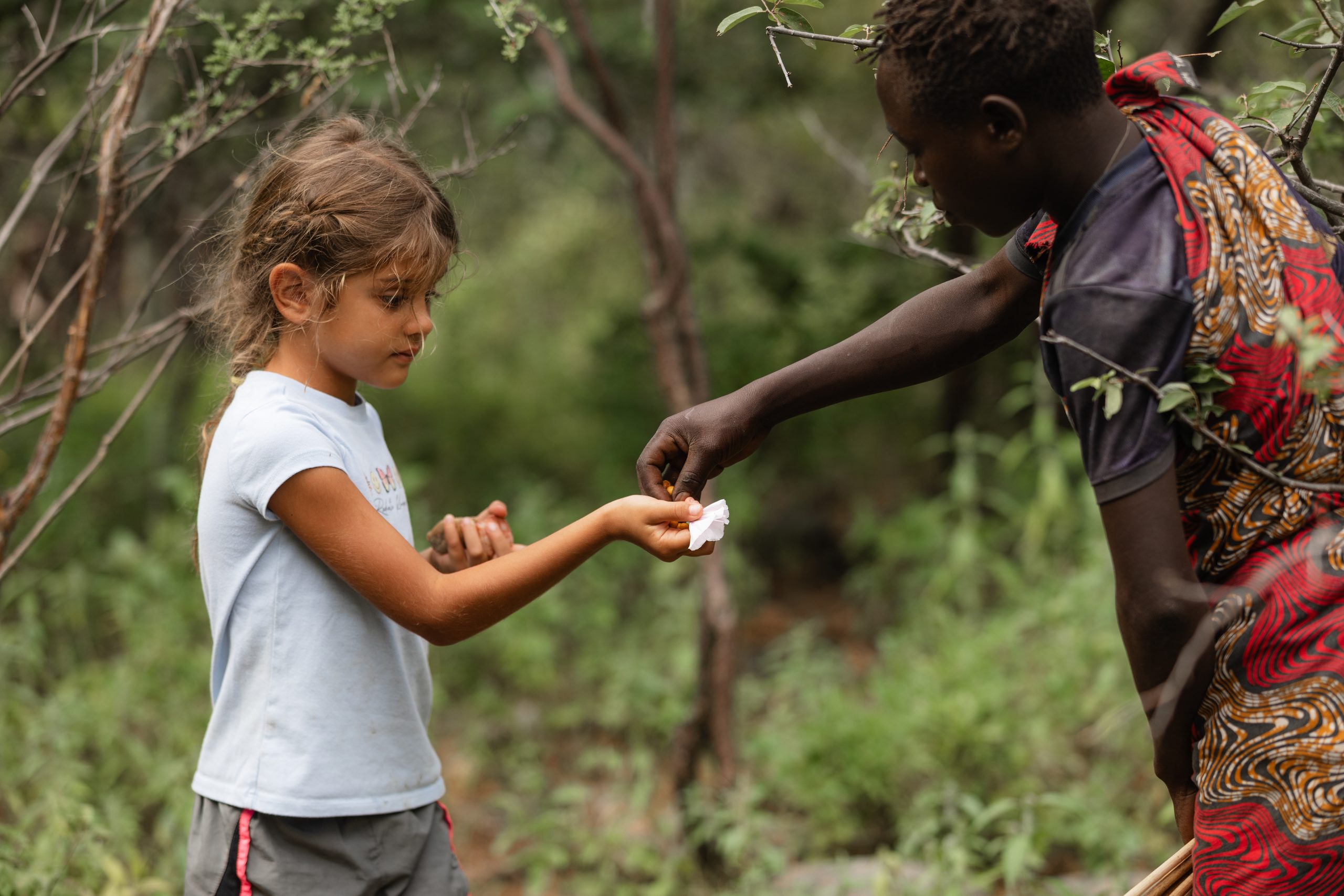
Time spent with the Hadzabe hunter-gatherers can be particularly memorable, giving older children and teenagers an opportunity to encounter a way of life profoundly different from their own. Experiences like these can transform a family safari from a wildlife holiday into something far more meaningful.
Eastern Serengeti
The Eastern Serengeti offers the vast landscapes and extraordinary wildlife for which the Serengeti is famous, but with a wonderfully wild and remote character.
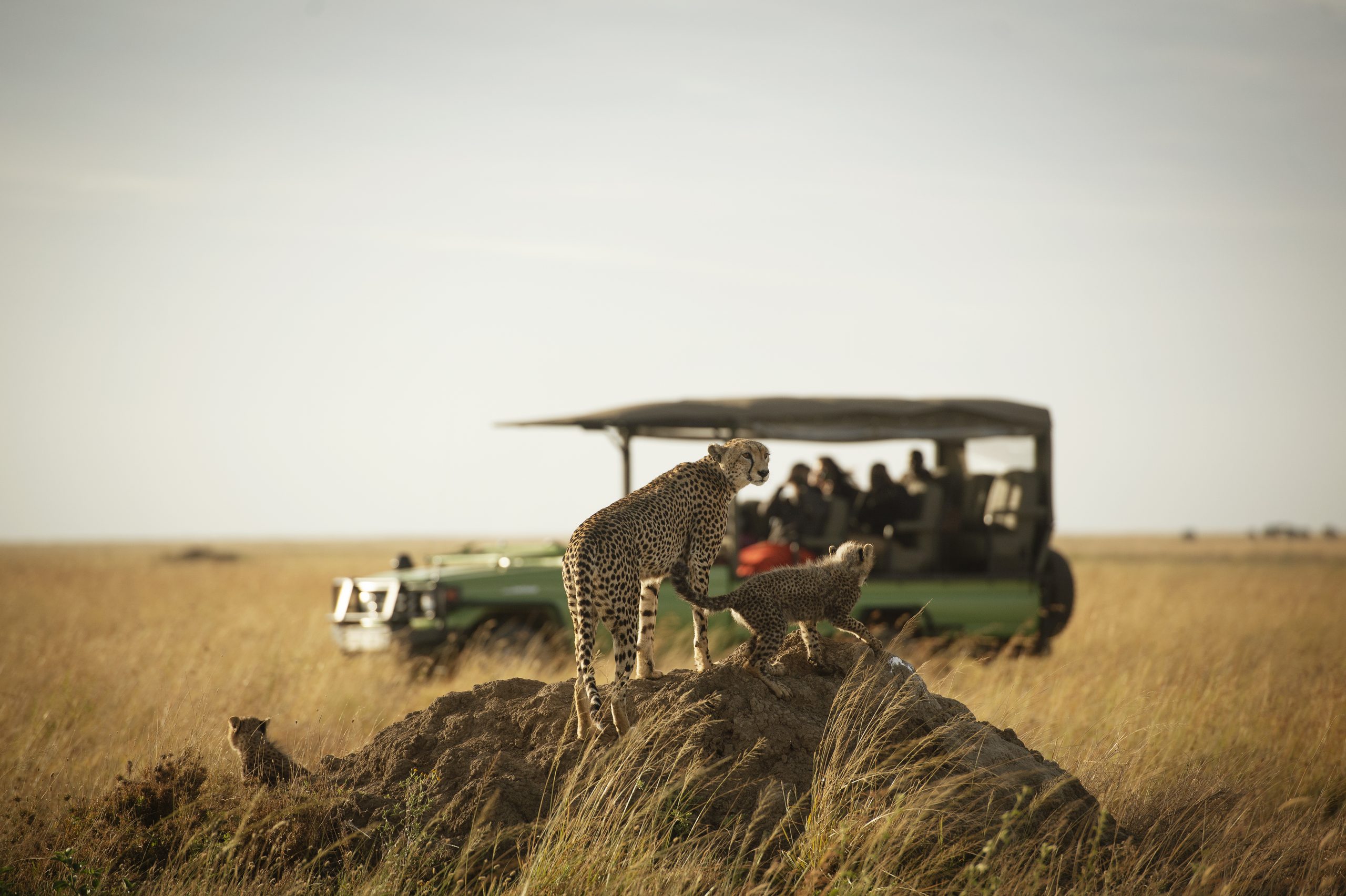
This is big-cat country, making it an exciting destination for families hoping to see lions, cheetahs and other predators in their natural environment. Open plains also make wildlife easier to spot, helping to keep younger safari-goers engaged.
Located in the Eastern Serengeti, Olmara Camp offers families the chance to experience this quieter corner of the ecosystem, where days are shaped by wildlife rather than crowds.
Northern & Southern Serengeti
No Tanzania family safari feels quite complete without time in the Serengeti, and Entara’s mobile Esirai Camp moves between the northern and southern regions to follow the seasonal movements of the Great Migration.
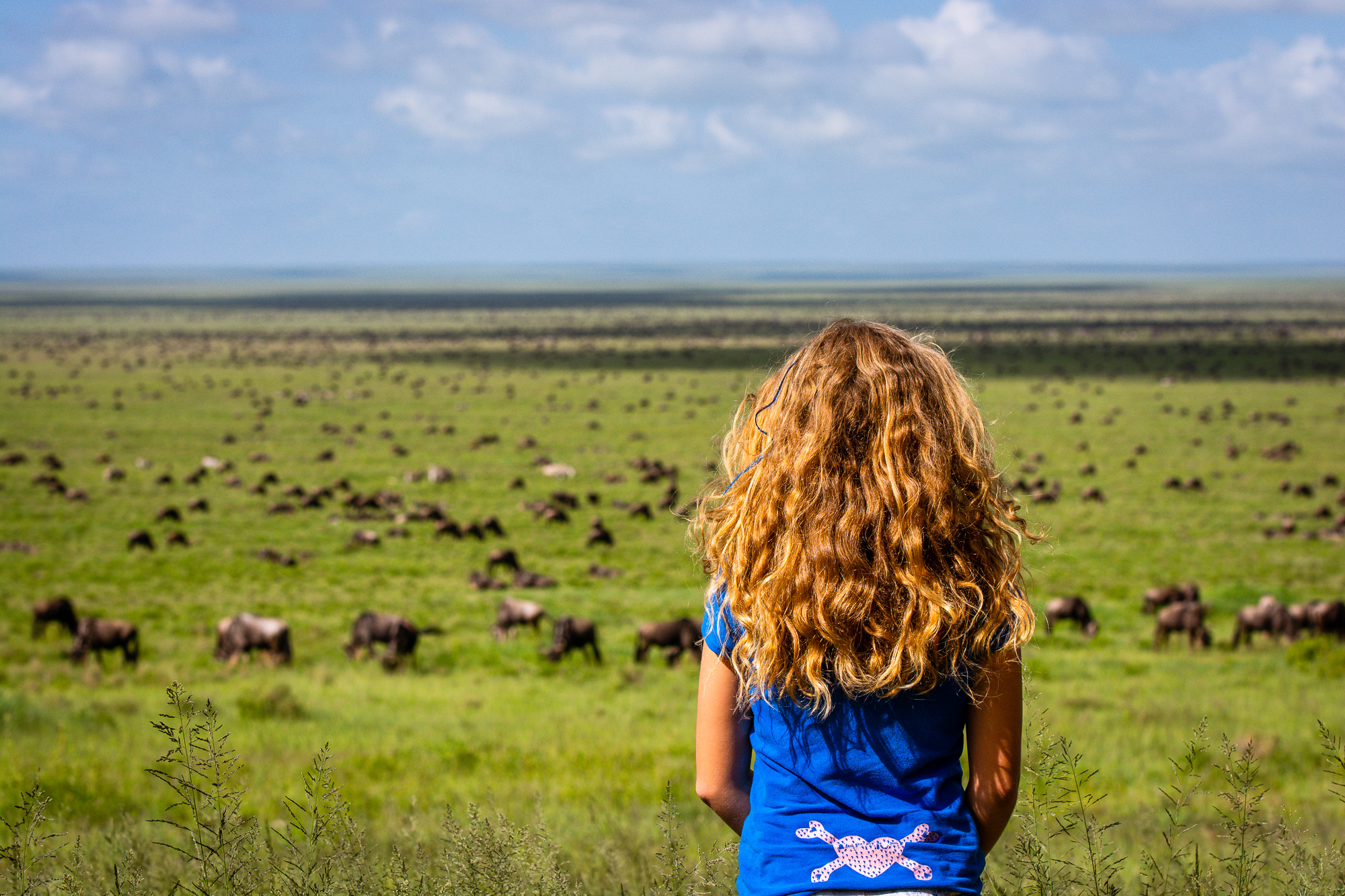
In the Southern Serengeti, the green season and annual wildebeest calving period bring the plains to life, with thousands of newborn animals and the predators that follow them.
Later in the year, the Northern Serengeti becomes the focus as the migrating herds move towards the Mara River. Watching thousands of wildebeest and zebra moving across the landscape is one of Africa’s great wildlife spectacles and an experience families are unlikely to forget.
Following the migration also helps children understand that the Serengeti is not simply a collection of animals, but a vast, interconnected ecosystem that changes with the seasons.
Building the Perfect Family Safari Itinerary
The best family itineraries strike a balance between exciting wildlife encounters and enough downtime to relax.
A typical seven-night itinerary might include:
Days 1–2: Tarangire National Park for elephants and gentle introduction to safari.
Days 3–4: Ngorongoro Conservation Area for exceptional wildlife viewing in the crater.
Days 5–7: Serengeti National Park to experience the classic African safari and, depending on the season, the Great Migration.
Families with additional time often choose to extend their holiday with a few days on the Indian Ocean coast or the idyllic beaches of Zanzibar.
Combining safari with the beach gives children time to unwind while creating a well-rounded family holiday.
Keeping Children Engaged on Safari
Children often notice things adults miss.
Encourage them to:
- Keep a wildlife checklist
- Learn to identify animal tracks
- Spot different bird species
- Photograph their favourite animals
- Keep a safari journal
- Ask guides questions about animal behaviour
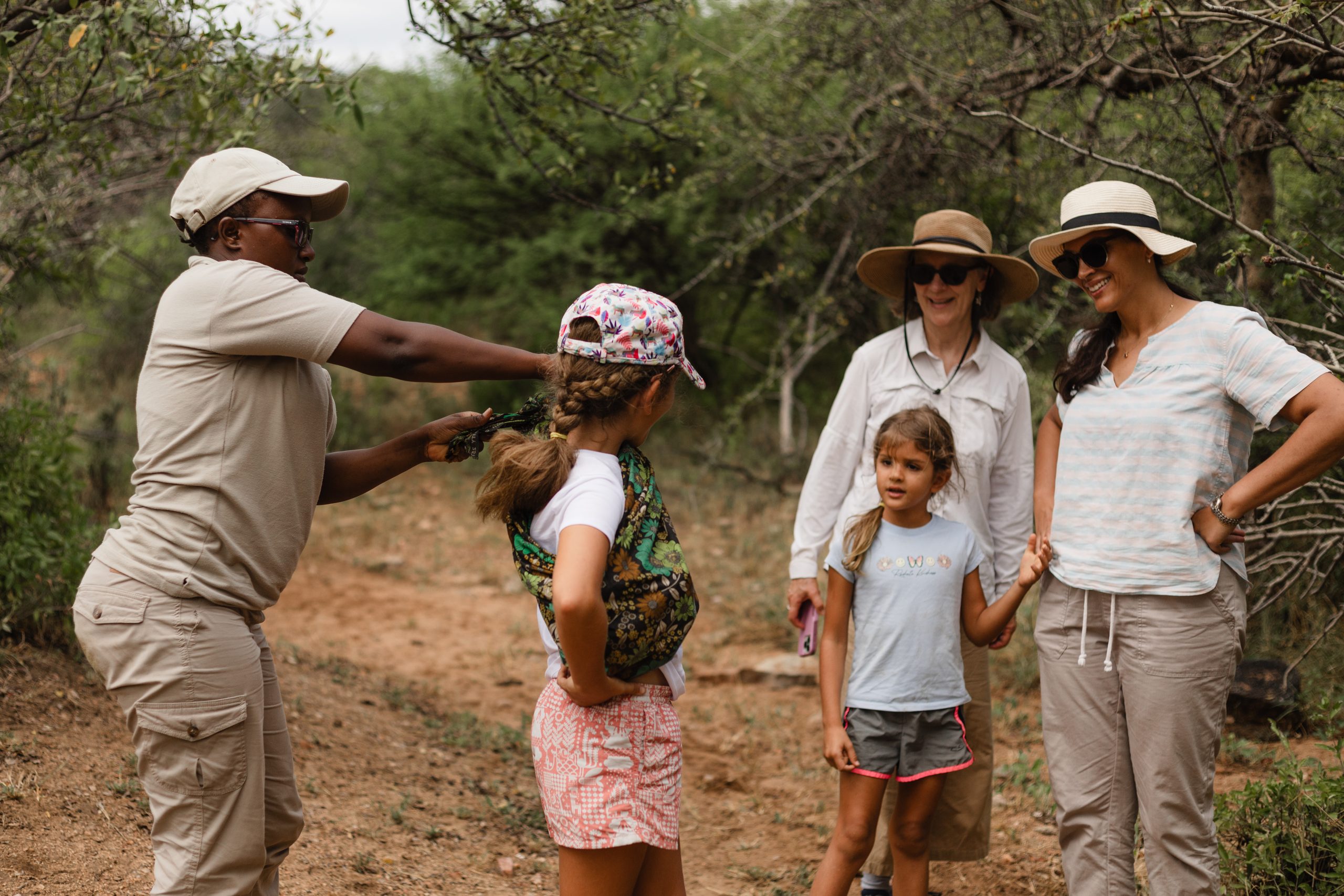
Many guides enjoy tailoring game drives to younger guests, making the experience interactive and educational rather than simply observational.
Choosing Family-Friendly Accommodation
Not every safari camp is designed with families in mind.
When planning your Tanzania family safari, consider accommodation that offers:
- Family suites or interconnected tents
- Flexible meal times
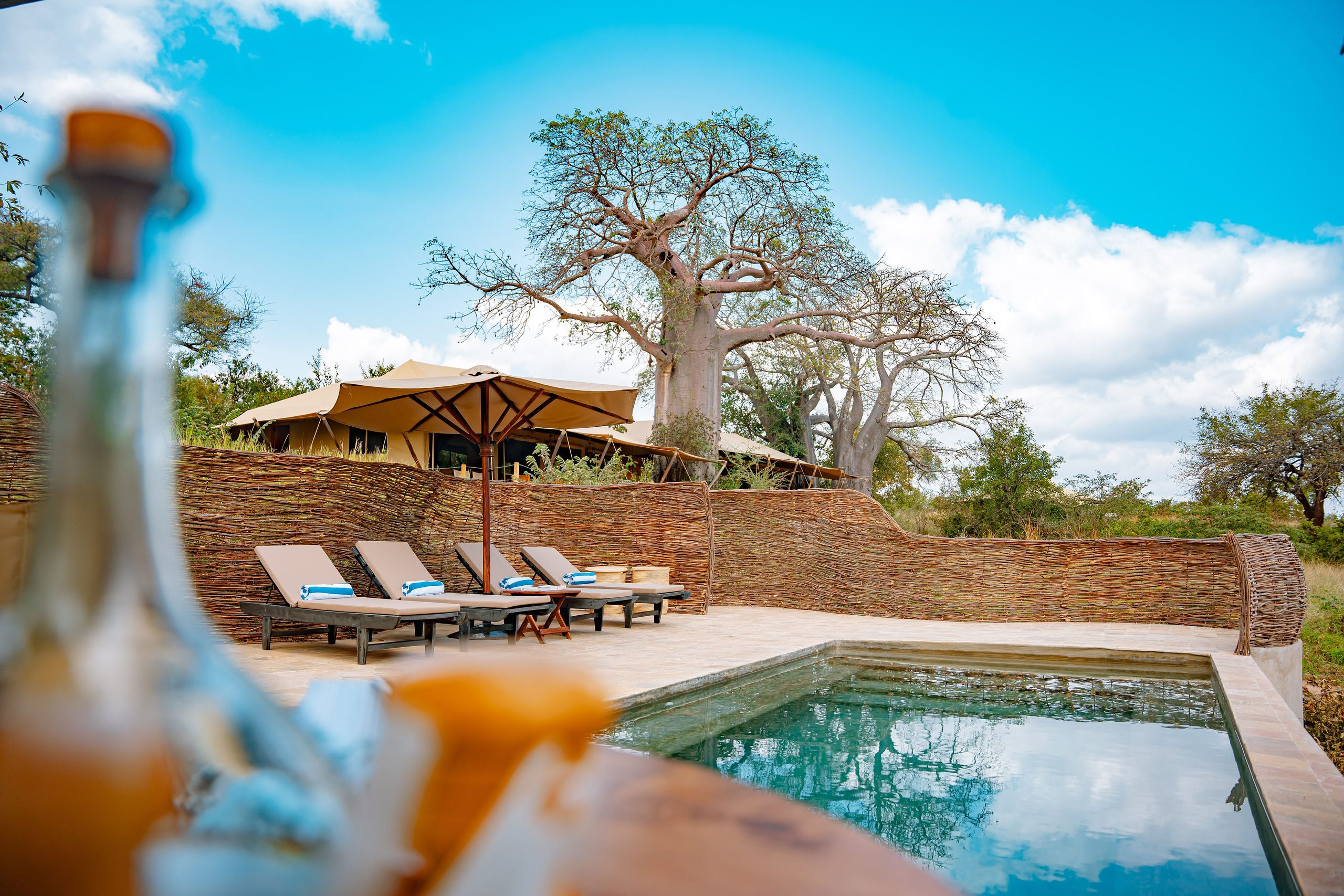
- Swimming pools
- Child-friendly menus
- Private vehicles for game drives
- Experienced family guides
- Safe, welcoming environments
Private game drives can be particularly valuable, allowing families to travel at their own pace and adapt the day around younger children’s energy levels.
What to Pack
Packing well helps ensure a comfortable safari for the whole family.
Essentials include:
- Neutral-coloured clothing
- Lightweight layers for changing temperatures
- Comfortable walking shoes
- Sun hats
- Sunscreen
- Binoculars
- Cameras
- Reusable water bottles
- Insect repellent
- Any essential medications
Children often enjoy having their own small backpack with binoculars, a notebook and wildlife guidebook.
Is a Safari Safe for Families?
Tanzania is considered one of Africa’s safest safari destinations when travelling with reputable operators and experienced guides.
Safari camps have well-established safety procedures, and guides provide clear instructions throughout your stay.
Parents should always supervise younger children, particularly around wildlife, but families can relax knowing that guest safety is a top priority.
When Is the Best Time for a Family Safari?
Families can visit Tanzania throughout the year.
The dry season, from June to October, offers excellent wildlife viewing, comfortable weather and school holiday opportunities for many international travellers.
The green season brings lush landscapes, fewer visitors and exceptional birdlife, while January to March offers the remarkable spectacle of the wildebeest calving season in the southern Serengeti.
Each season provides a different perspective on Tanzania’s extraordinary wildlife.
Why a Family Safari Creates Lasting Memories
Unlike many holidays, a safari encourages families to slow down and experience the natural world together.
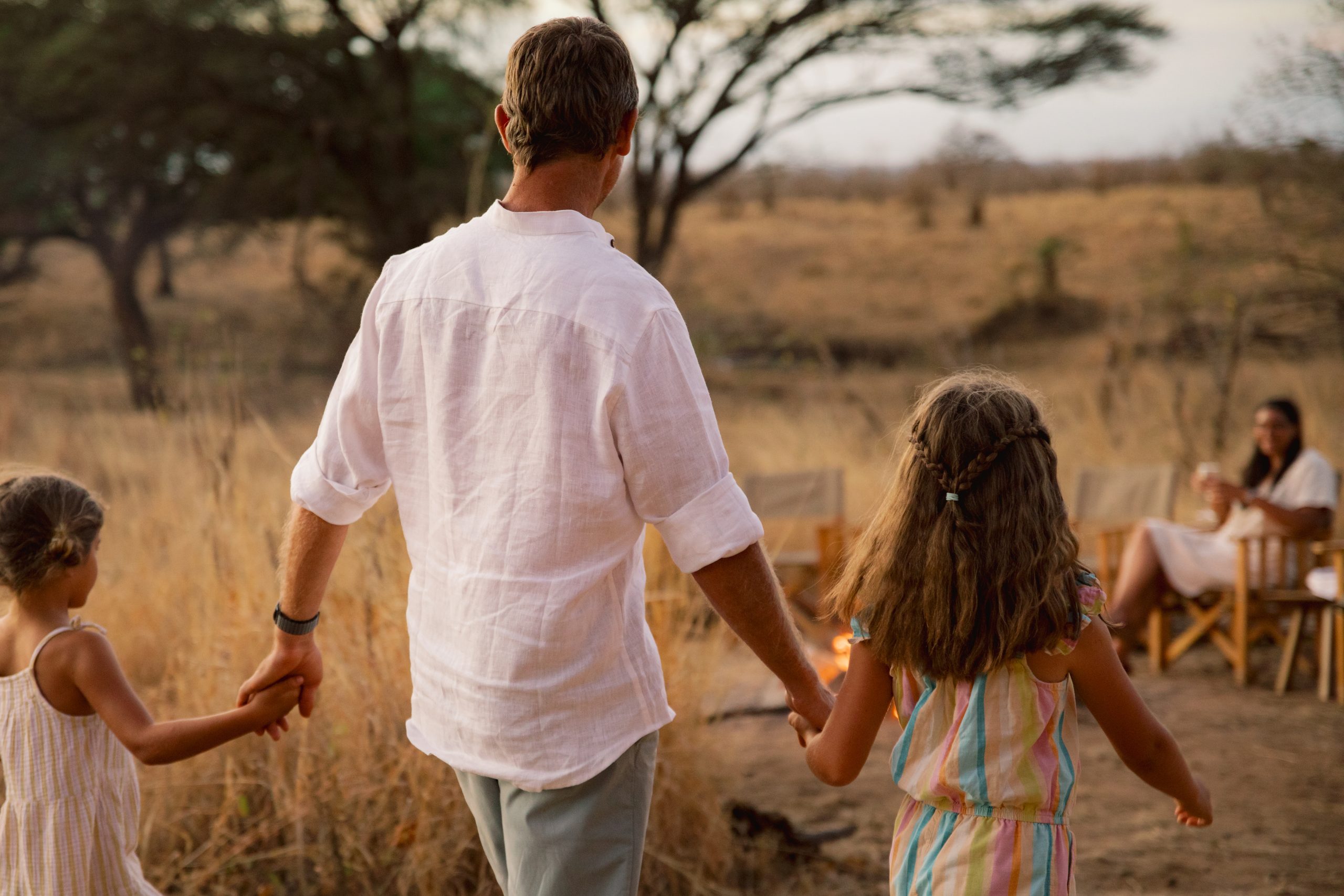
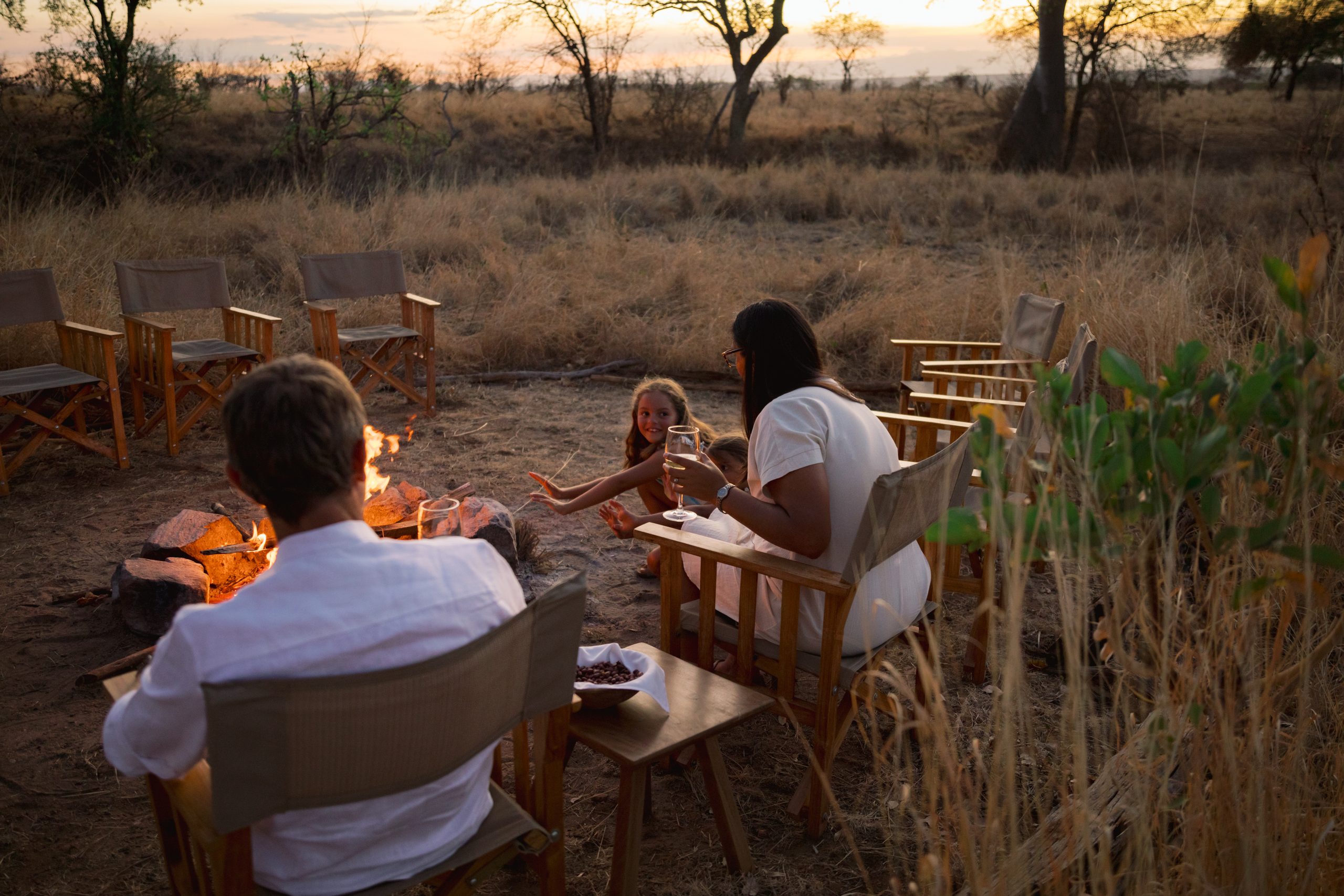
Watching elephants interact, listening to lions calling at night, identifying constellations beneath Africa’s vast skies and sharing stories around the campfire create memories that stay with families long after they return home.
For many children, a safari sparks a lifelong appreciation for wildlife, conservation and travel.
Frequently Asked Questions
Is Tanzania suitable for families with children?
Yes. Tanzania offers excellent wildlife viewing, family-friendly lodges, experienced guides and a wide range of safari experiences suitable for children of different ages.
What is the best age for a child to go on safari?
Many families find children aged six and older get the most from traditional game drives, although some lodges welcome younger children with tailored activities and shorter excursions.
How many days should a family safari in Tanzania last?
A seven to ten-day itinerary provides enough time to experience several national parks while maintaining a comfortable pace for children.
Is Tanzania safe for a family safari?
Yes. When travelling with reputable safari operators and staying in established lodges and camps, Tanzania is considered a safe and welcoming destination for families.


