


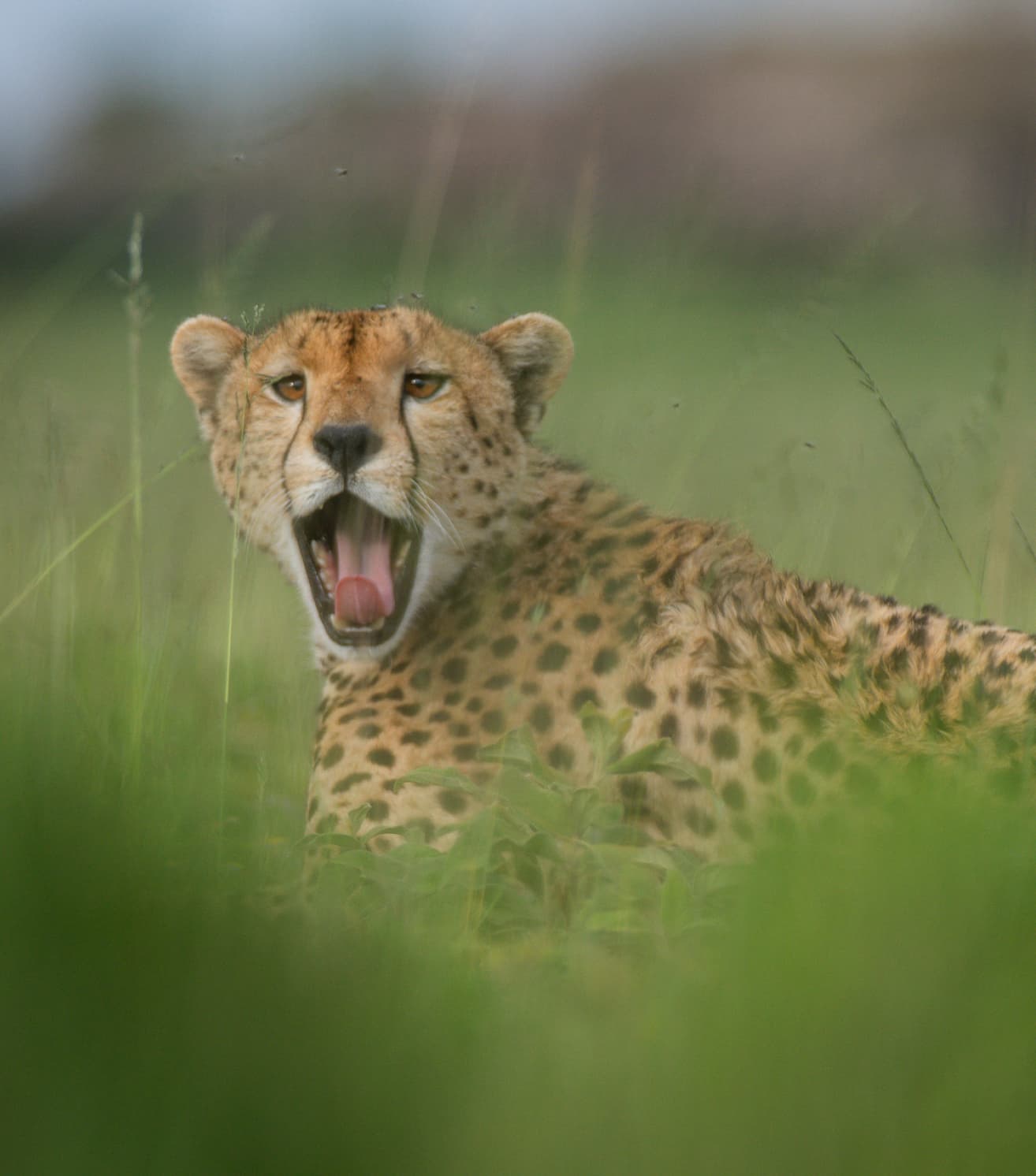



The Serengeti is one of the most celebrated wildlife destinations on Earth. Its endless golden plains, extraordinary wildlife and world-famous Great Migration have made it synonymous with the classic African safari.
But beyond the iconic photographs and wildlife documentaries lies a landscape filled with fascinating stories, ancient ecosystems and remarkable natural wonders.
Whether you’re planning your first safari or simply want to learn more about one of Africa’s greatest national parks, these Serengeti facts reveal why this extraordinary destination continues to captivate travellers from around the world.
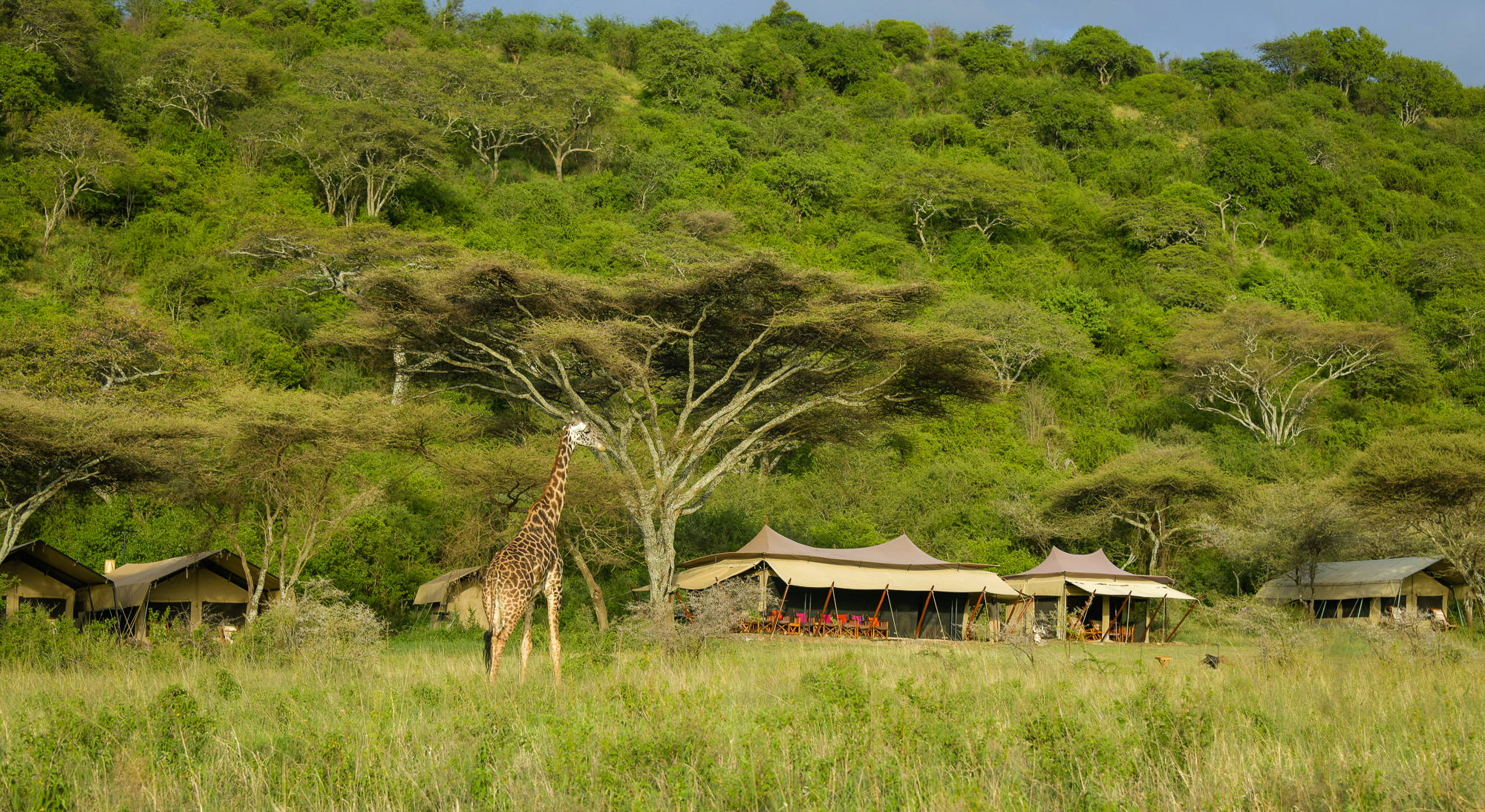
1. The Serengeti Is One of the Oldest Ecosystems on Earth
One of the most remarkable Serengeti facts is its incredible age.
Scientists believe the Serengeti ecosystem has remained largely unchanged for millions of years. Its climate, vegetation and seasonal migration patterns have evolved naturally over an immense timescale, allowing wildlife to thrive much as it has for generations.
This long ecological history is one of the reasons the Serengeti supports such extraordinary biodiversity today.
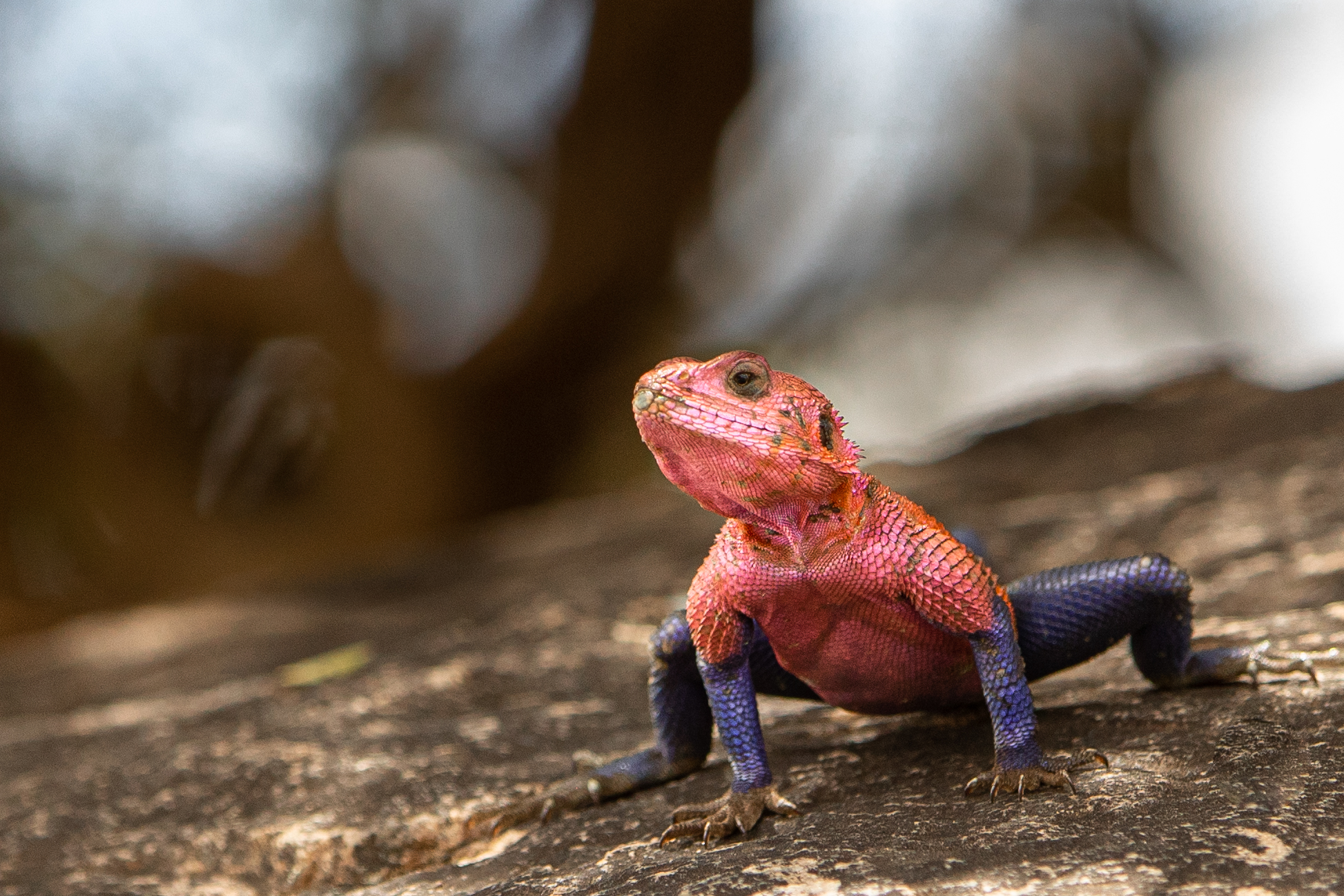
2. The Name “Serengeti” Means “Endless Plains”
The word Serengeti is derived from the Maasai word Siringet, meaning “the place where the land runs on forever”.
Standing on the open grasslands, it’s easy to understand why.
The sweeping horizons seem to stretch endlessly in every direction, creating one of Africa’s most iconic landscapes.
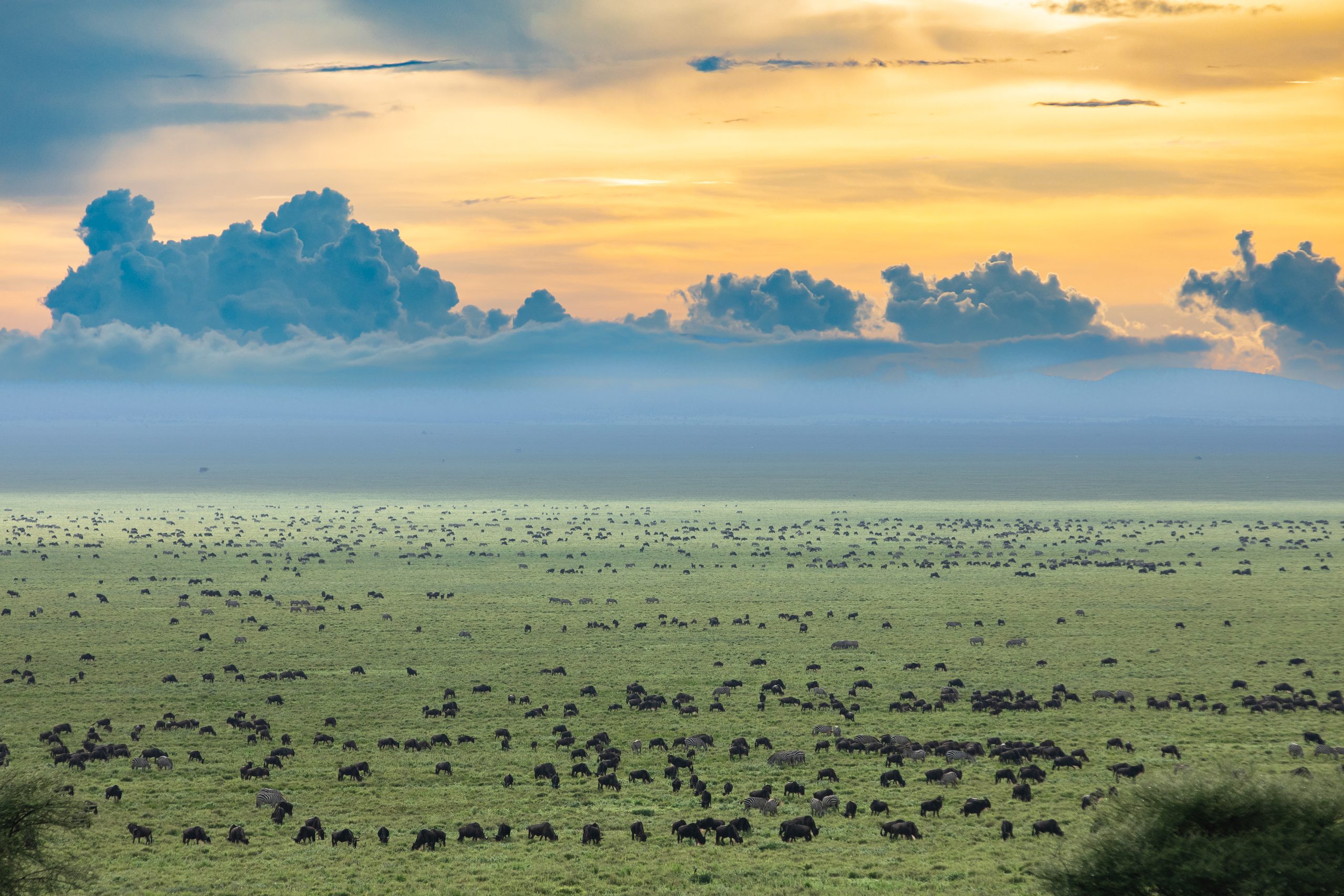
3. The Great Migration Happens Every Year
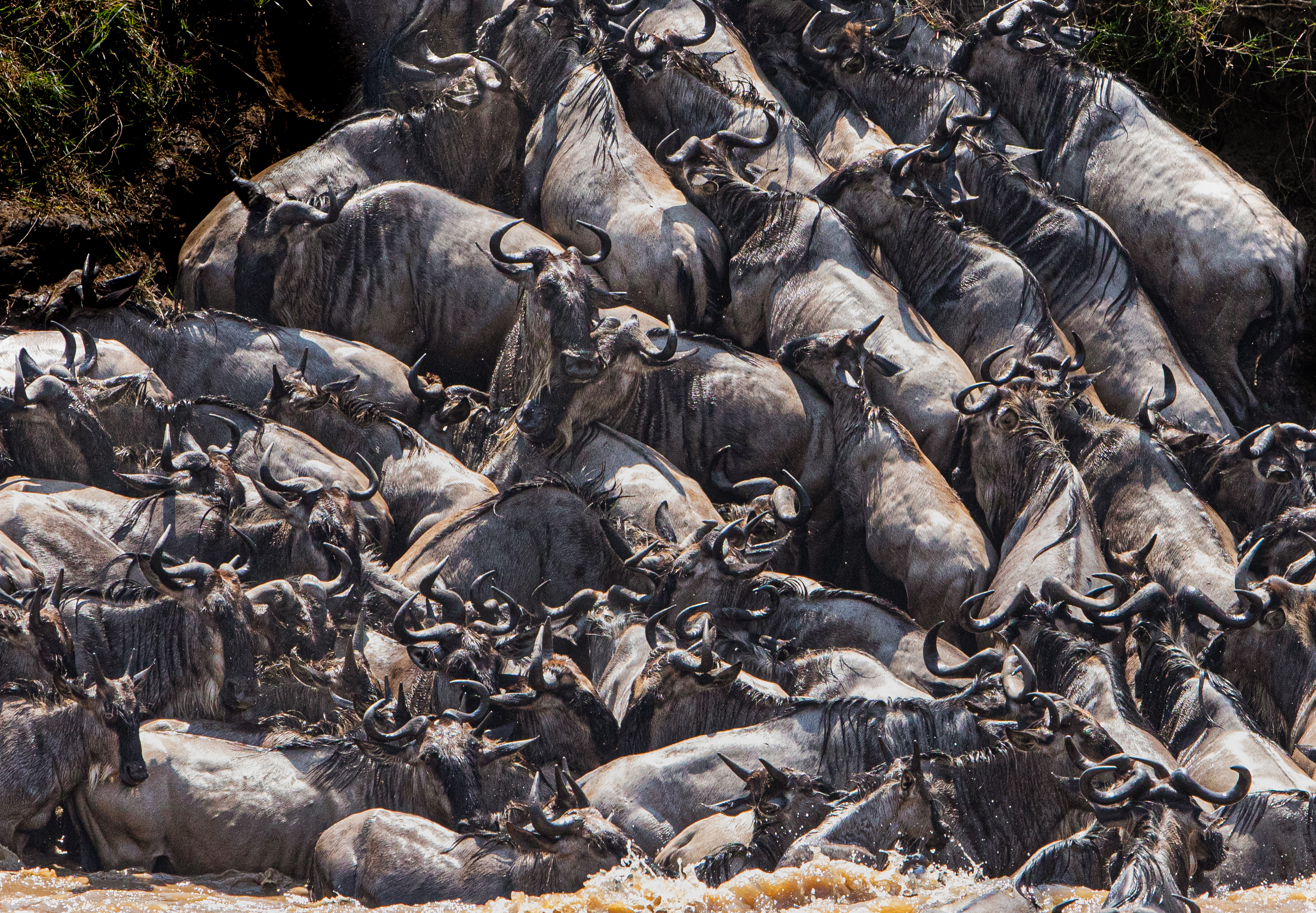
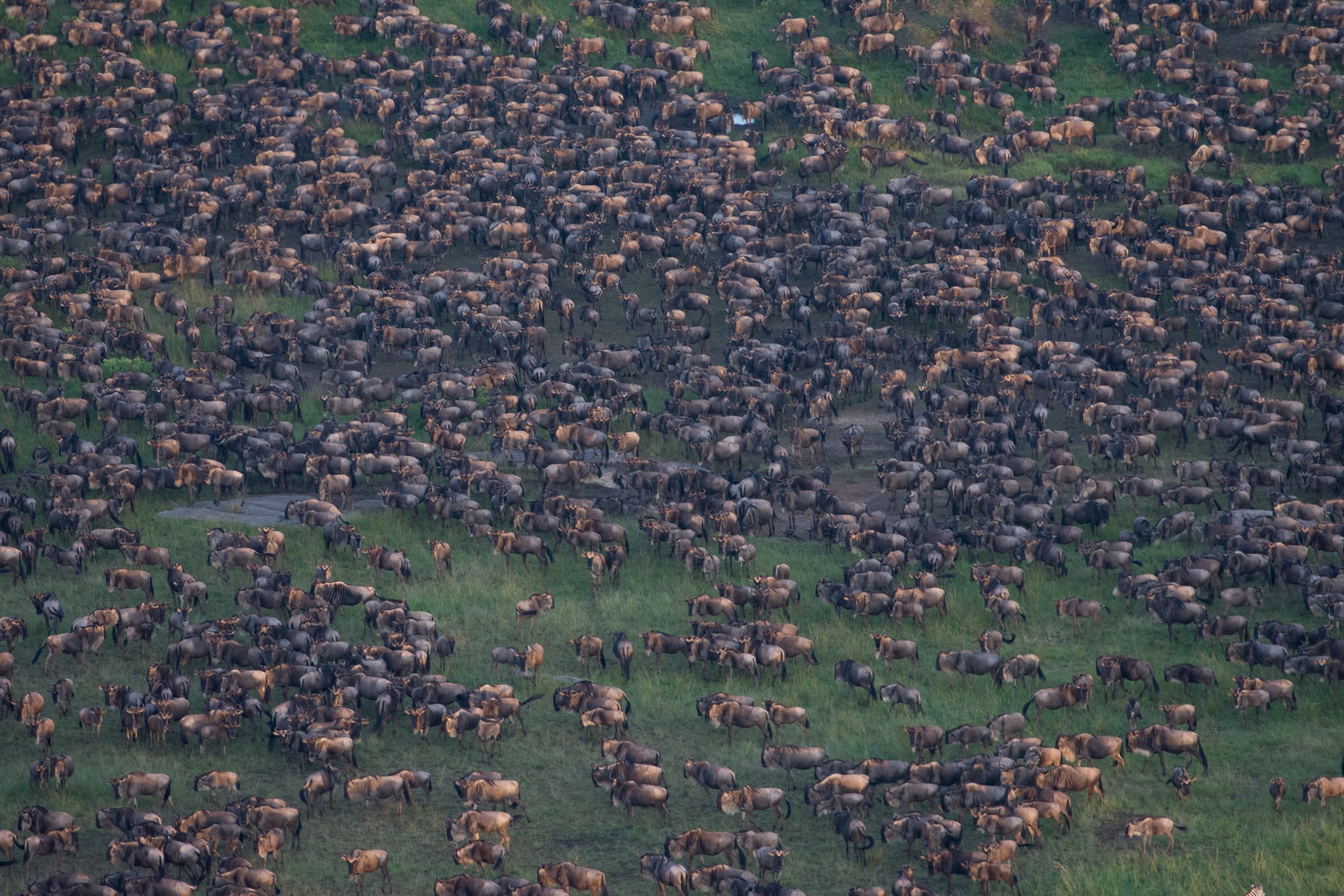
Perhaps the most famous of all Serengeti facts is that it hosts the majority of the Great Migration.
Each year, more than two million wildebeest, accompanied by hundreds of thousands of zebra and gazelle, travel across the Serengeti ecosystem in search of fresh grazing.
Rather than a single event, the migration is a continuous circular journey influenced by seasonal rainfall.
Depending on when you visit, you may witness:
- Calving season in the southern Serengeti
- Massive herds crossing the central plains
- Grumeti River crossings
- Herds moving north towards the Mara River before returning south again
Every stage offers a unique safari experience.
4. The Serengeti Is Home to the Big Five
The Serengeti supports healthy populations of:
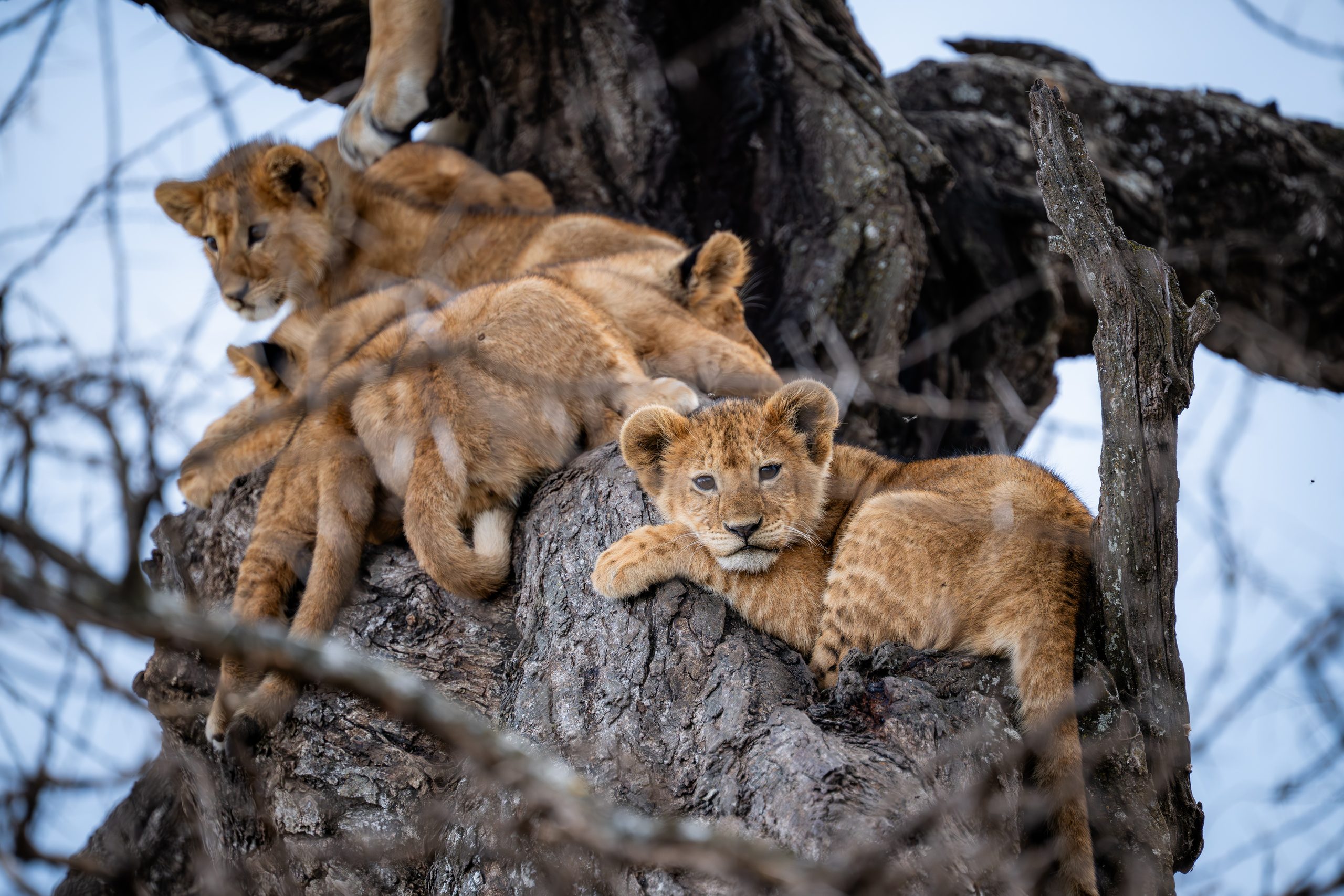
- Lion
- Leopard
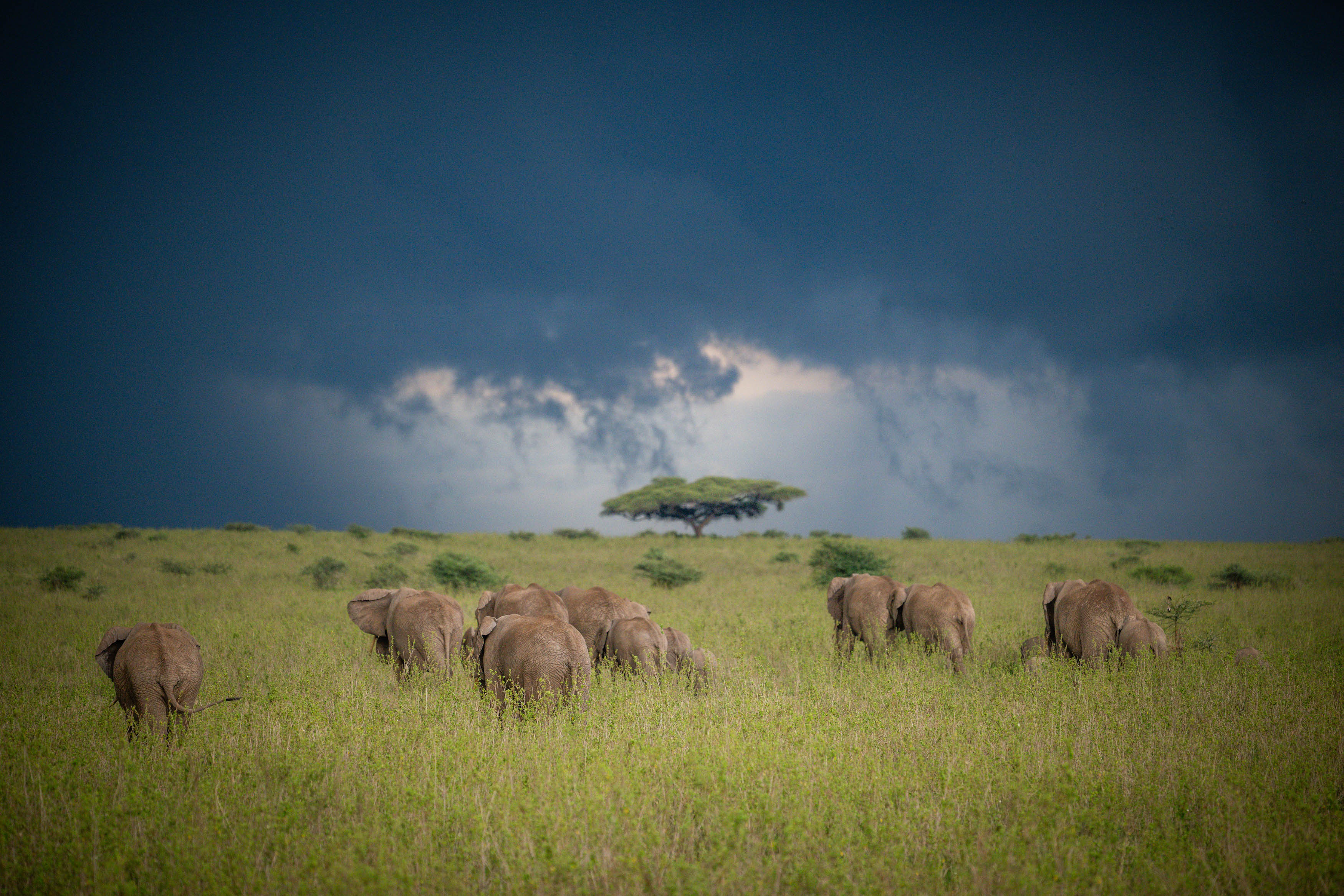
- Elephant
- Buffalo
- Black rhinoceros (rare)
While black rhino sightings are uncommon within the Serengeti itself, visitors often combine their safari with the nearby Ngorongoro Conservation Area for a better chance of seeing these critically endangered animals.
5. It Has One of the Highest Predator Densities in Africa
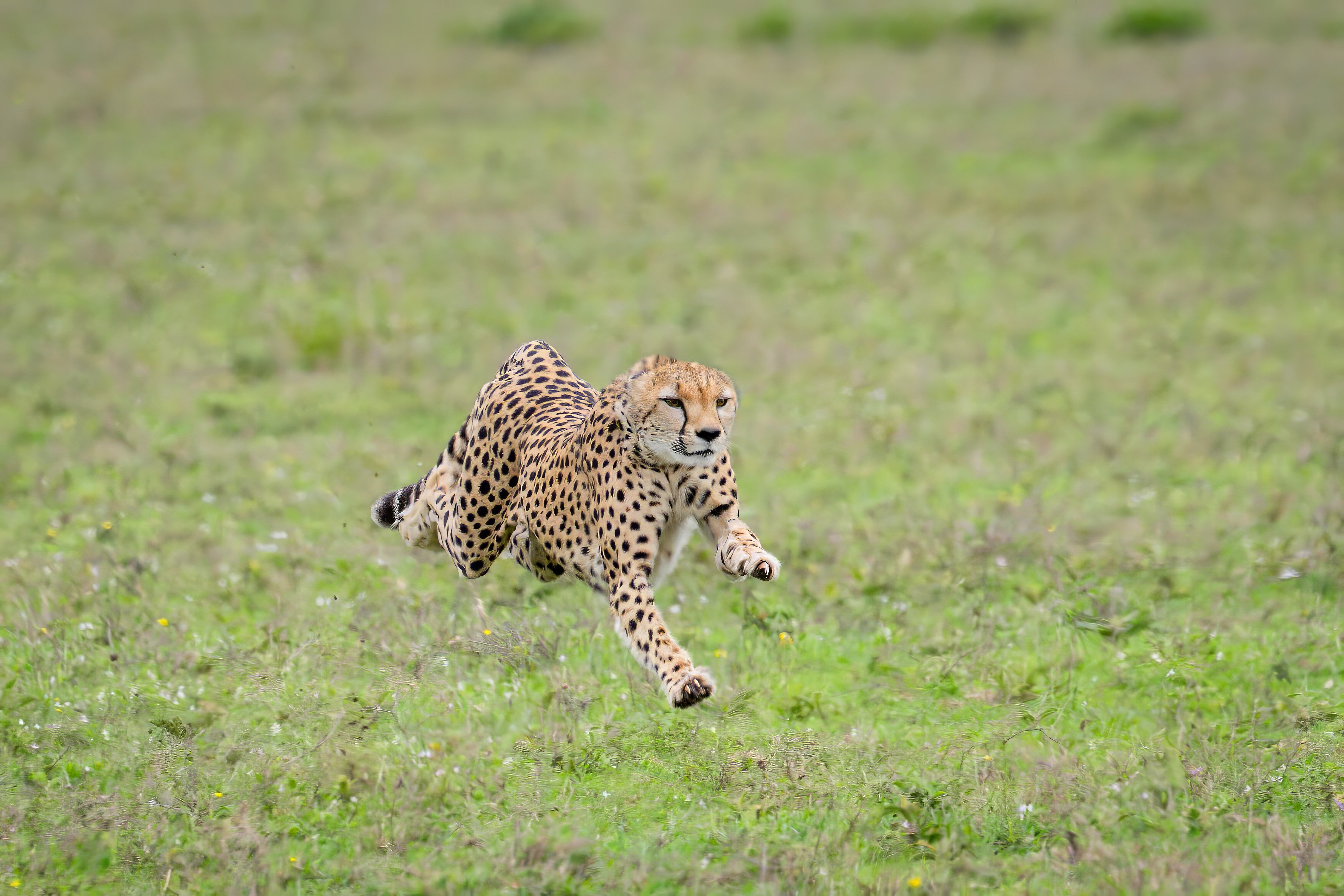
The abundance of grazing animals creates ideal conditions for predators.
Thousands of lions roam the Serengeti alongside cheetahs, leopards, spotted hyenas, jackals and African wild dogs in surrounding ecosystems.
Watching predators interact naturally is one of the defining experiences of a Serengeti safari.
6. The Serengeti Covers Nearly 15,000 Square Kilometres
Serengeti National Park covers approximately 14,750 square kilometres, making it one of Africa’s largest national parks.
However, the wider Serengeti ecosystem extends far beyond the park boundaries into neighbouring conservation areas and across the border into Kenya’s Masai Mara.
This vast connected landscape allows wildlife to migrate freely across one of the world’s last great natural ecosystems.
7. Every Season Offers Something Different
Many people assume there’s only one ideal time to visit.
In reality, one of the most useful Serengeti facts is that the park offers exceptional wildlife viewing throughout the year.
Seasonal highlights include:
January to March
- Wildebeest calving season
- Predator activity
- Lush green landscapes
June to October
- Dry season
- Outstanding general game viewing
- Comfortable safari conditions
November to December
- Returning migration herds
- Green scenery
- Excellent birdwatching
Each season reveals a different side of the Serengeti.
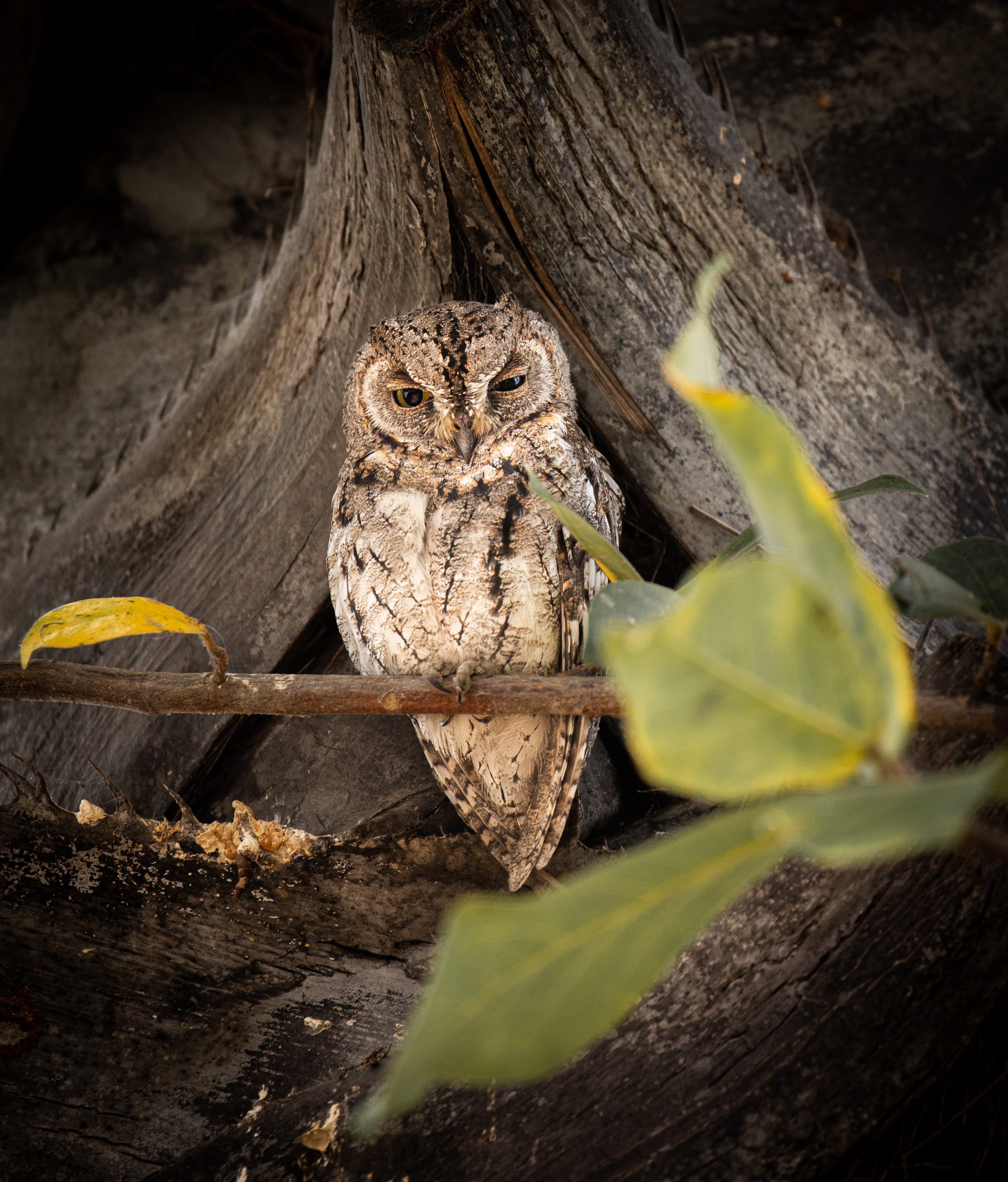
8. More Than 500 Bird Species Have Been Recorded
The Serengeti isn’t just about large mammals.
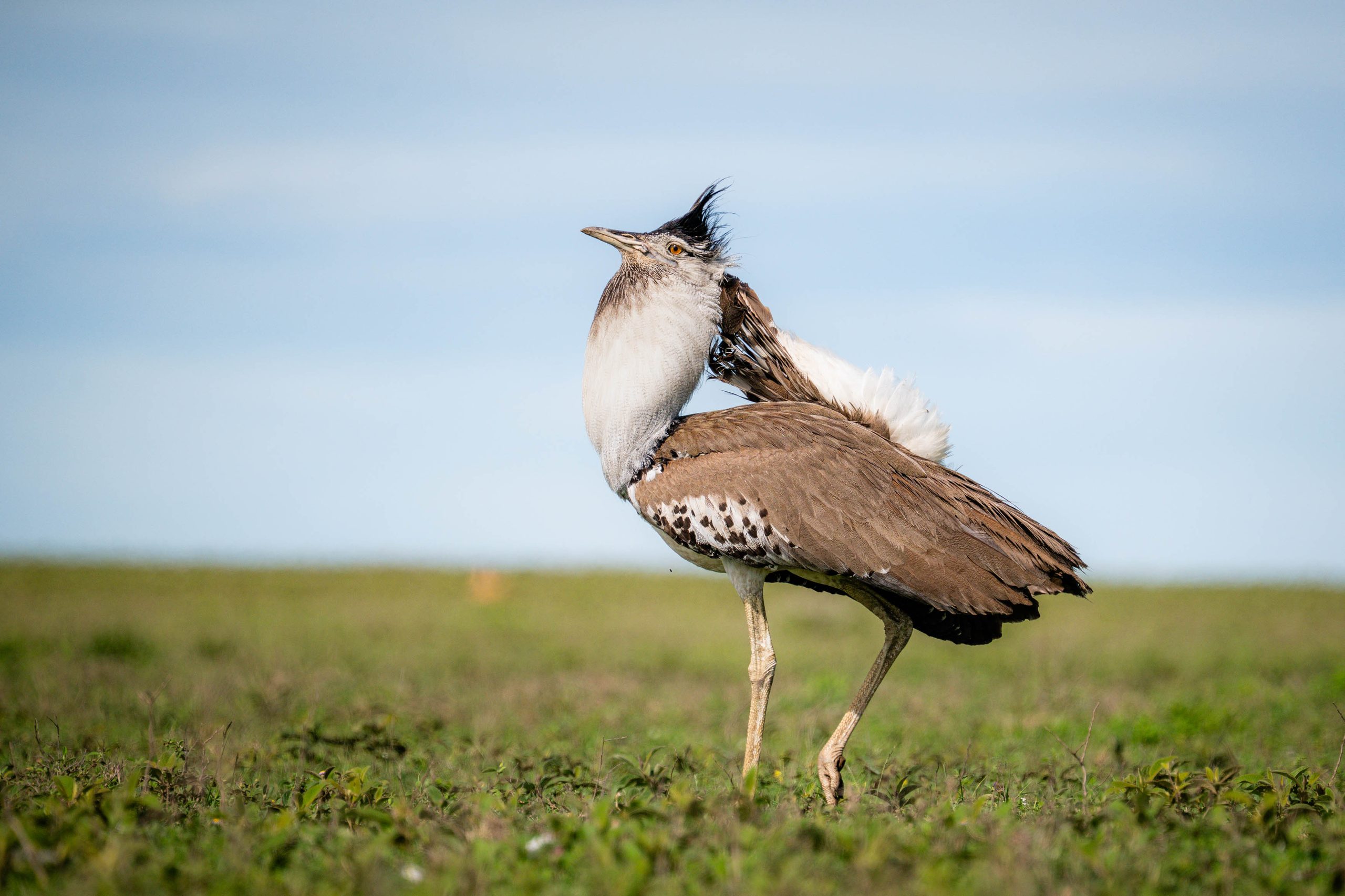
More than 500 bird species have been recorded throughout the ecosystem, including:
- Secretary bird
- Lilac-breasted roller
- Kori bustard
- African fish eagle
- Southern ground hornbill
- Various bee-eaters, kingfishers and vultures
Birdwatchers often discover that the Serengeti is every bit as rewarding as it is for mammal enthusiasts.
9. Ancient Granite Kopjes Dot the Landscape
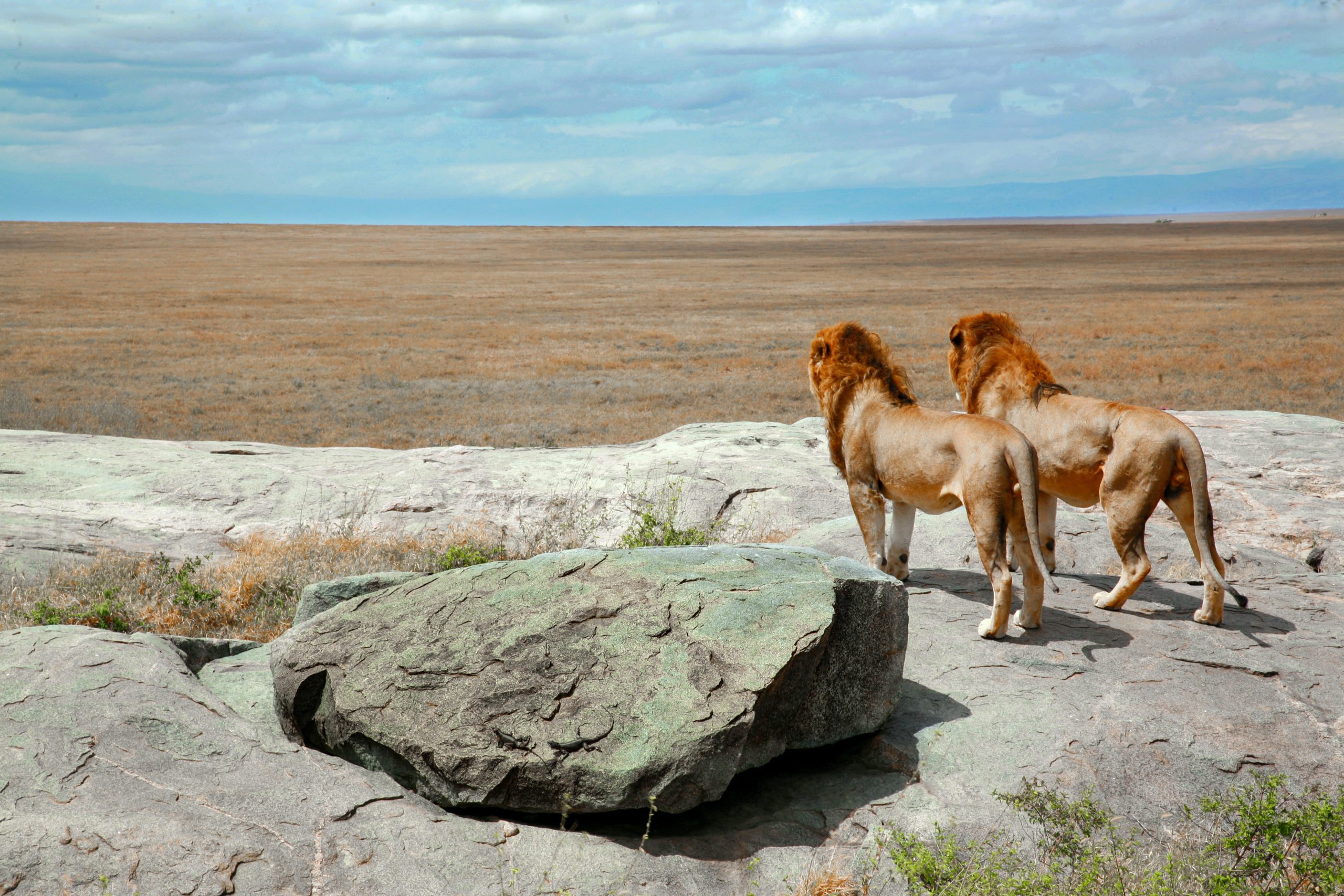
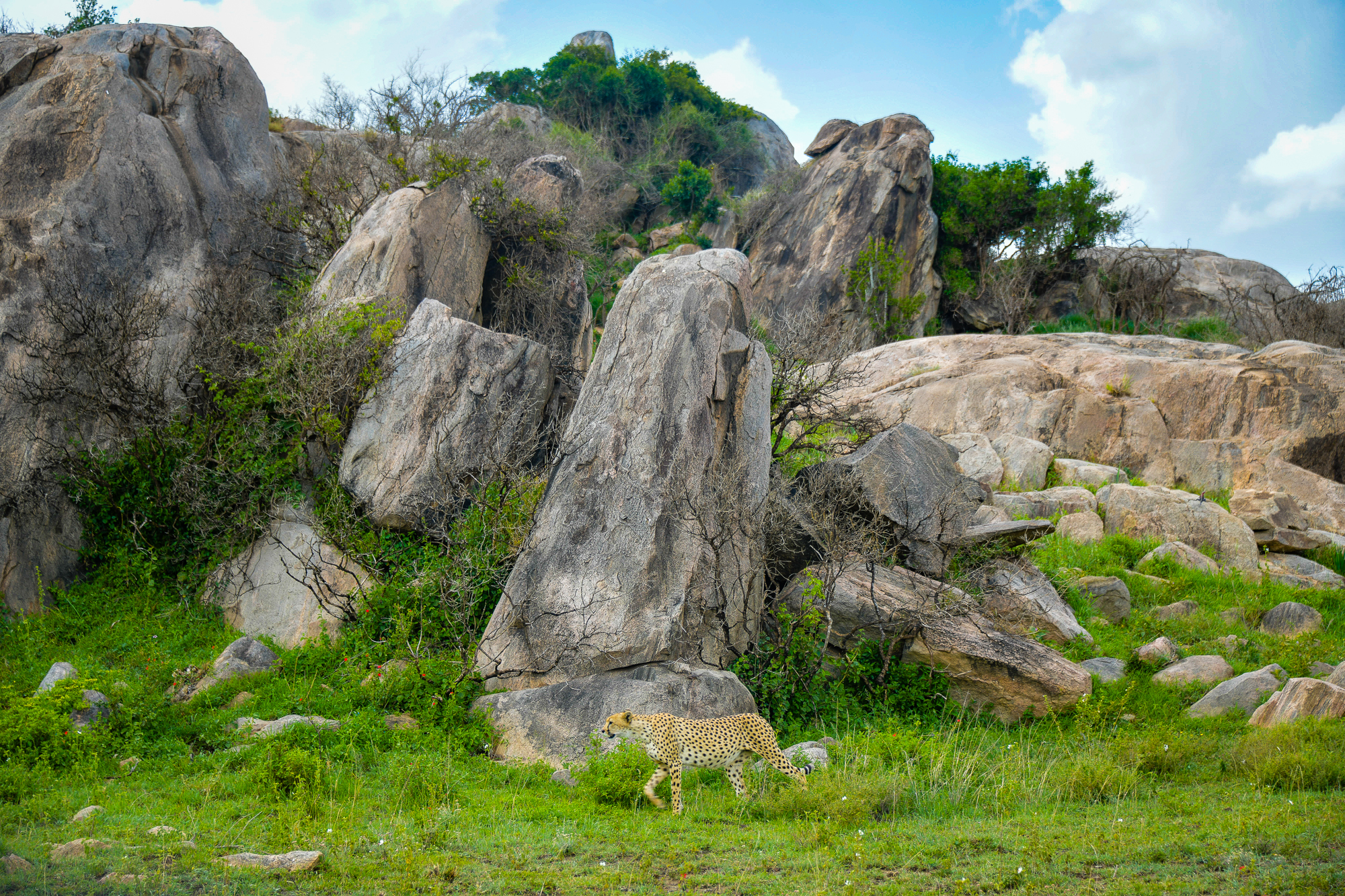
One of the Serengeti’s most distinctive features is its rocky outcrops known as kopjes.
These ancient granite formations are among the oldest visible geological features in the park.
They provide shelter for lions, leopards, hyraxes and countless reptiles while offering superb viewpoints across the surrounding plains.
Many of Africa’s most iconic wildlife photographs feature lions resting atop these sun-warmed rocks.
10. The Serengeti Is a UNESCO World Heritage Site
Serengeti National Park was designated a UNESCO World Heritage Site in 1981.
The designation recognises the park’s outstanding ecological importance, extraordinary biodiversity and globally significant wildlife migrations.
Today, it remains one of the world’s most important conservation areas.
11. Wildlife Viewing Often Begins Before Sunrise
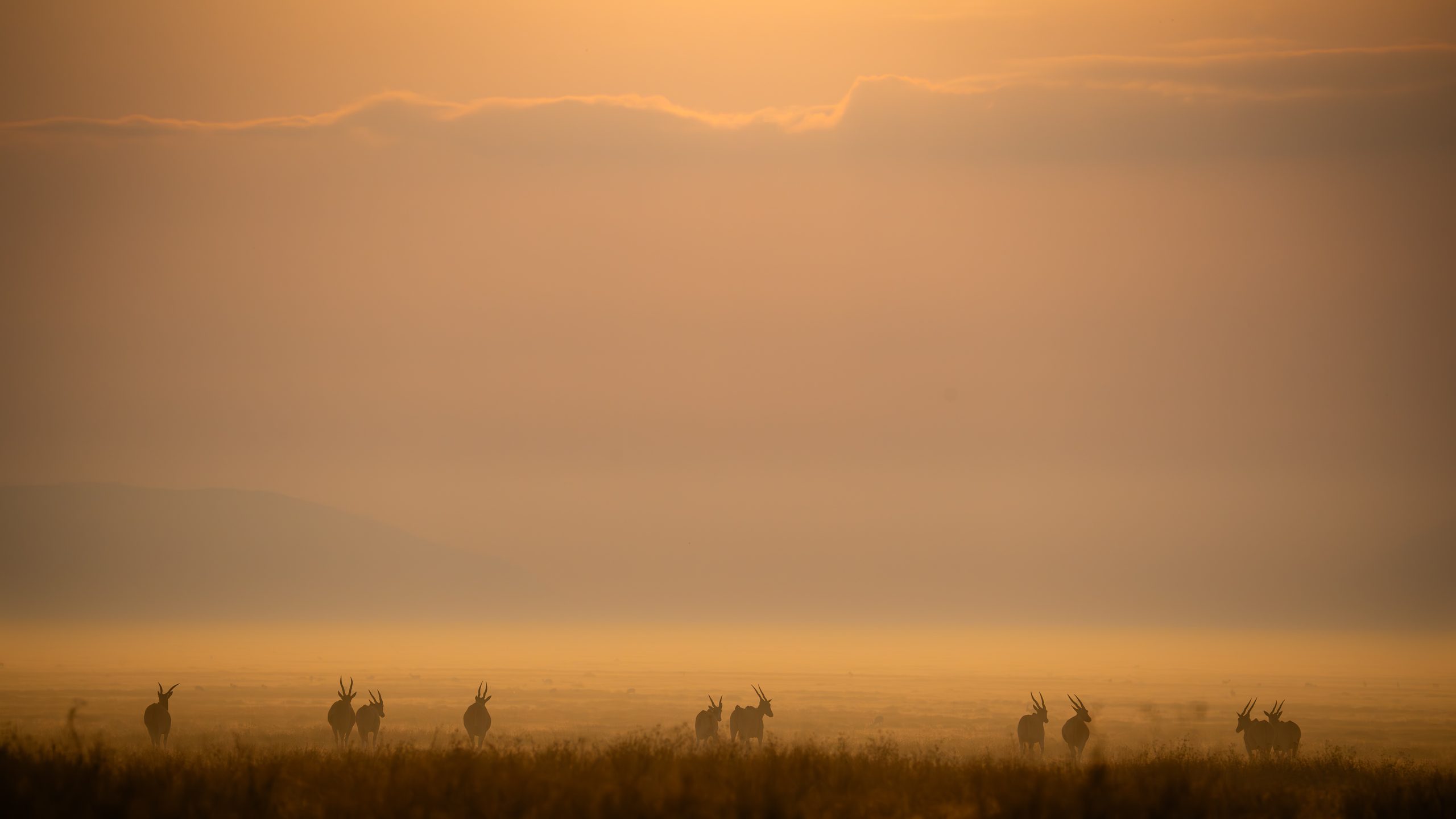
Some of the Serengeti’s most memorable wildlife encounters happen during the early morning hours.
As the sun rises over the plains, predators return from hunting, elephants emerge from woodland areas and birds fill the air with their calls.
Early morning game drives often provide the best wildlife activity and some of the most beautiful light for photography.
12. Conservation Protects One of Earth’s Greatest Ecosystems
The Serengeti’s extraordinary wildlife survives thanks to decades of conservation, scientific research and responsible tourism.
National park authorities, local communities, conservation organisations and safari operators all play an important role in protecting this globally significant ecosystem.
Visitors contribute simply by choosing responsible safari operators who support conservation and sustainable tourism.
Why the Serengeti Continues to Inspire Travellers
These Serengeti facts reveal only part of what makes this destination so extraordinary.
From witnessing millions of animals on the move during the Great Migration to watching a lion pride resting on an ancient kopje or listening to the dawn chorus across endless grasslands, the Serengeti offers experiences that are impossible to replicate anywhere else.
Its remarkable biodiversity, timeless landscapes and enduring commitment to conservation ensure it remains one of the world’s greatest safari destinations and one that leaves an unforgettable impression on everyone who visits.
Frequently Asked Questions
Why is the Serengeti so famous?
The Serengeti is best known for the Great Migration, exceptional wildlife viewing, abundant predator populations and its vast, seemingly endless plains.
What animals live in the Serengeti?
The Serengeti is home to the Big Five, cheetahs, giraffes, hippos, crocodiles, wildebeest, zebra, numerous antelope species and more than 500 bird species.
What does the name Serengeti mean?
The name is derived from the Maasai word Siringet, meaning “the place where the land runs on forever” or “endless plains”.
Is the Serengeti worth visiting all year round?
Yes. Every season offers different wildlife experiences, from the wildebeest calving season to the dry season’s excellent game viewing and the lush beauty of the green season.


