




When planning an African safari, one of the most common questions travellers ask is: when is the best time to visit Tanzania? The answer depends on what you hope to experience. Whether you’re dreaming of witnessing the Great Migration, spotting the Big Five, enjoying quieter parks, or travelling during the lush green season, Tanzania offers unforgettable wildlife encounters throughout the year.
Unlike many safari destinations, Tanzania doesn’t have a single “best” season. Instead, each time of year offers its own unique landscapes, wildlife behaviour, and photographic opportunities. Understanding the seasons can help you choose the safari that best matches your interests.
Is There a Best Time to Visit Tanzania?
The short answer is yes, but it depends on your priorities.
If your goal is exceptional wildlife viewing with dry conditions and excellent game concentrations, the dry season from June to October is generally considered the best time to visit Tanzania. During these months, animals gather around permanent water sources, vegetation is sparse, and wildlife is easier to spot.
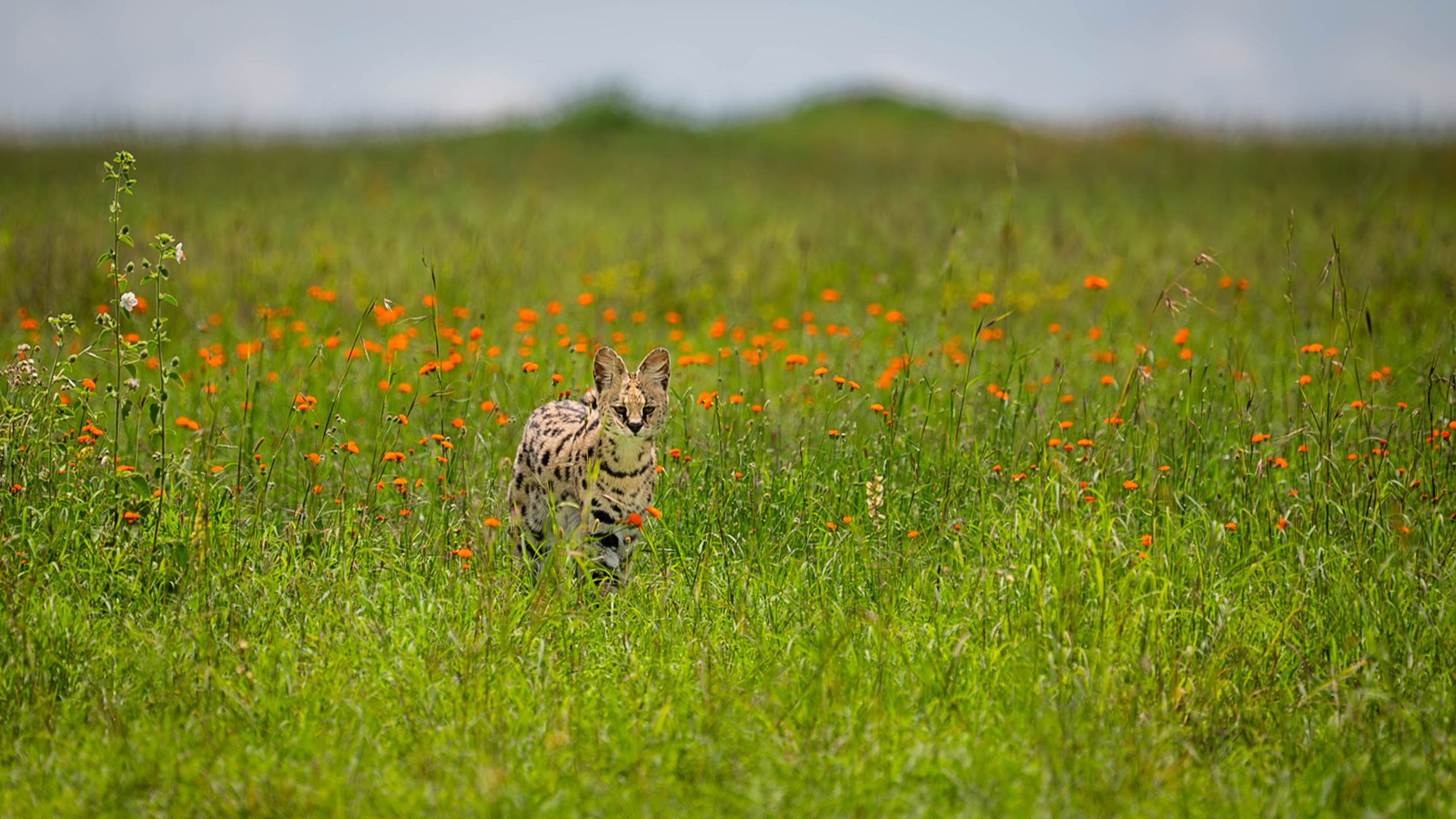
However, Tanzania is a year-round safari destination. The green season brings dramatic scenery, fewer visitors, excellent birdwatching, and one of Africa’s greatest wildlife spectacles: the wildebeest calving season in the southern Serengeti.
Tanzania’s Safari Seasons at a Glance
June to October: The Dry Season
For many travellers, this is the classic safari season.
Warm days, cool evenings, and almost no rainfall create ideal conditions for exploring Tanzania’s national parks. Wildlife congregates around rivers and waterholes, making sightings frequent and rewarding.
Highlights include:
- Outstanding Big Five viewing
- Excellent conditions in Serengeti National Park
- Large elephant herds in Tarangire National Park
- Predator activity around permanent water sources
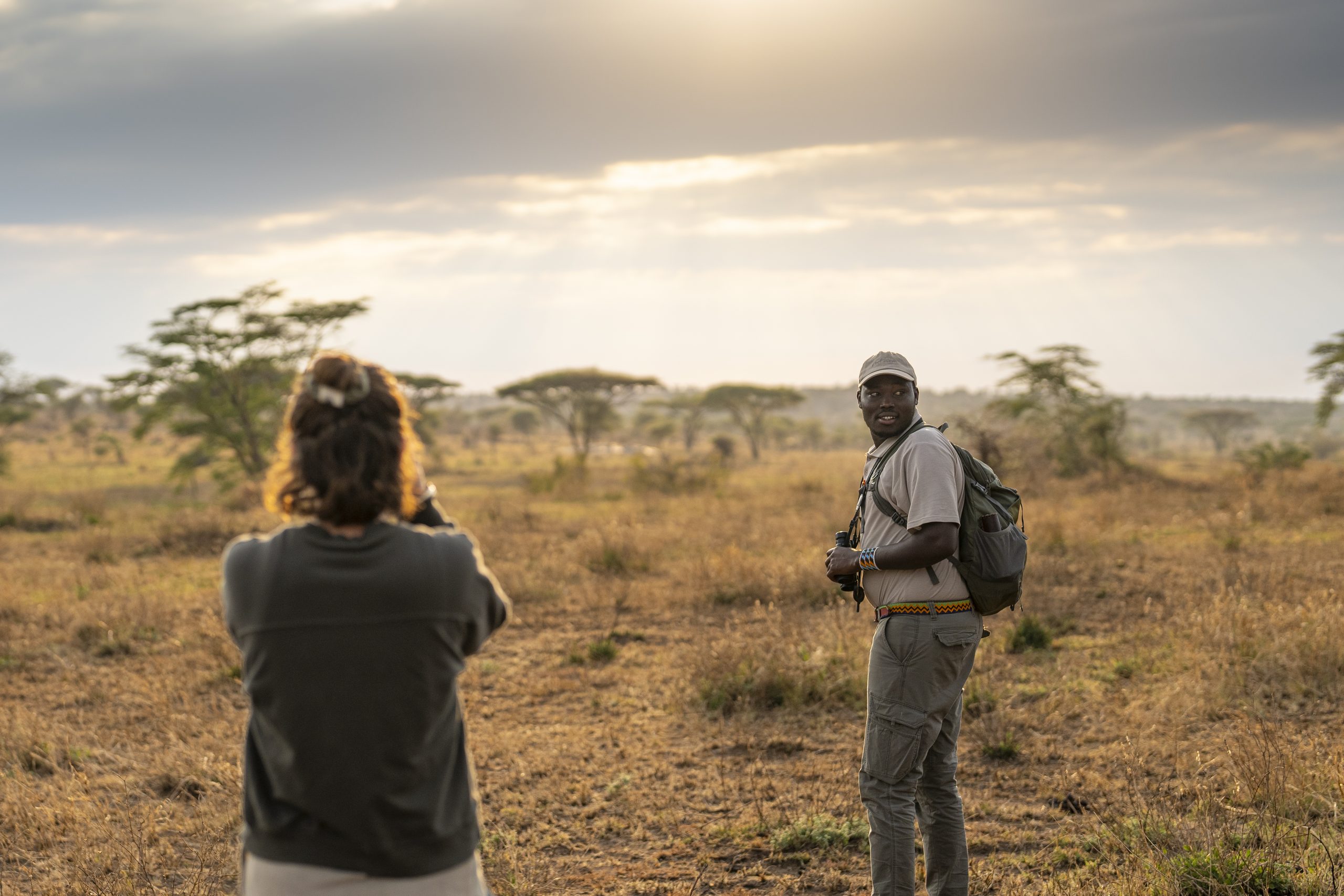
- Comfortable weather for game drives and walking safaris
This is also the busiest travel period, so booking well in advance is recommended.
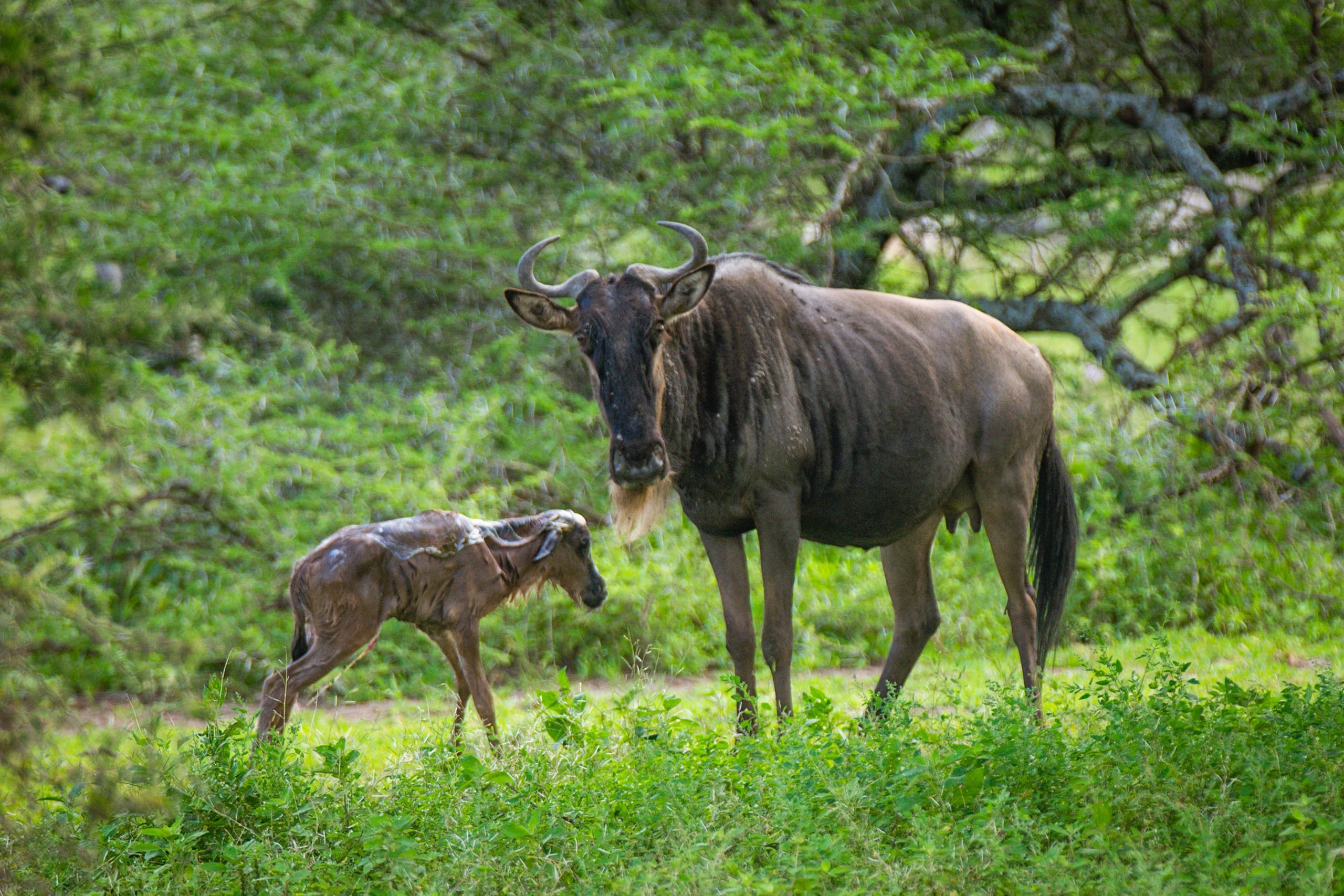
January to March: Calving Season
Many safari enthusiasts consider this one of Tanzania’s most remarkable times to visit.
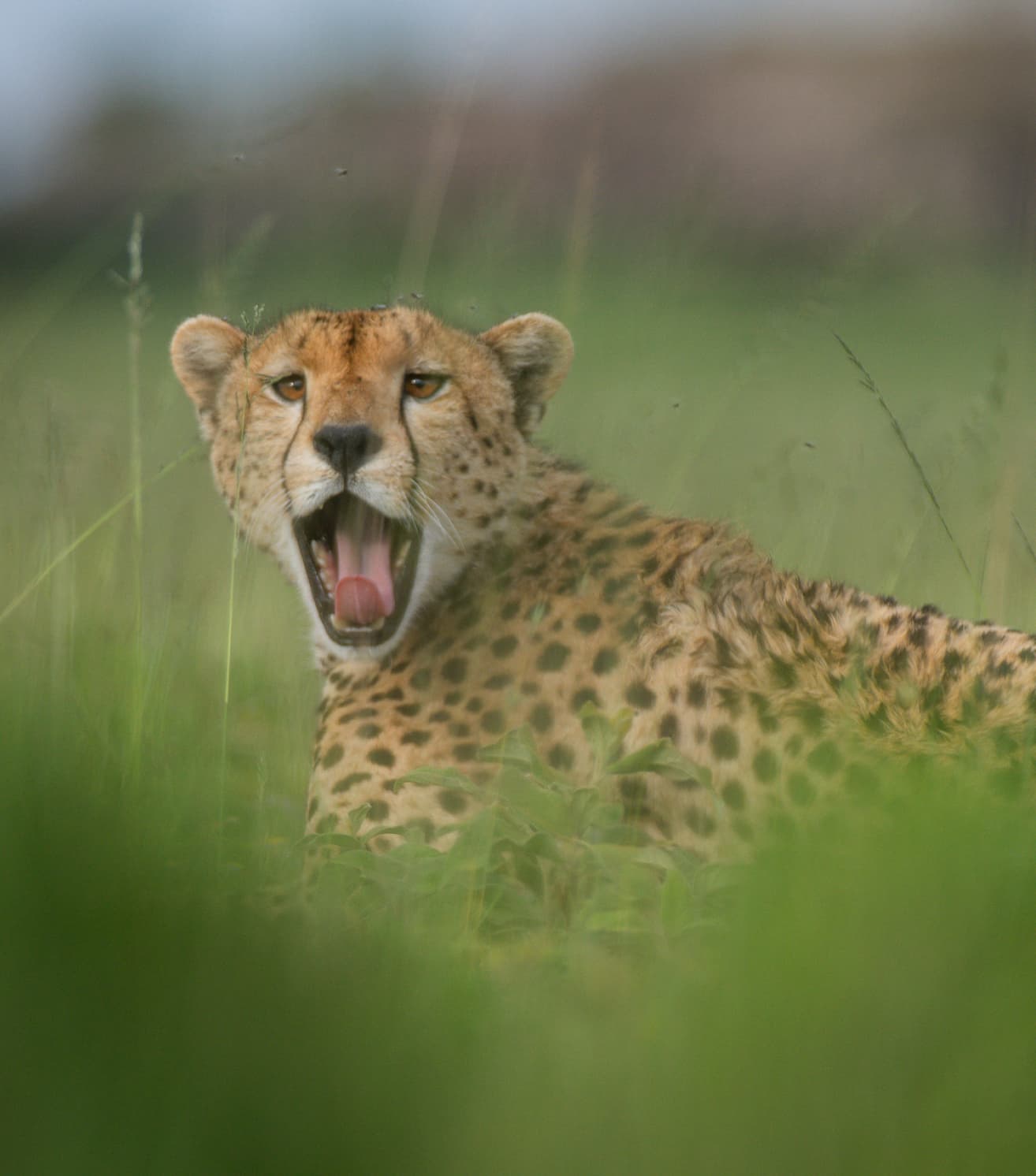
Hundreds of thousands of wildebeest gather in the southern Serengeti and Ndutu region to give birth. Within just a few weeks, thousands of calves are born every day, attracting lions, cheetahs, hyenas, and other predators.
Expect:
- Incredible predator-prey interactions
- Beautiful green landscapes
- Excellent photography conditions
- Fewer visitors than peak dry season
- Pleasant temperatures
If witnessing new life and dramatic wildlife behaviour appeals to you, this period is hard to beat.
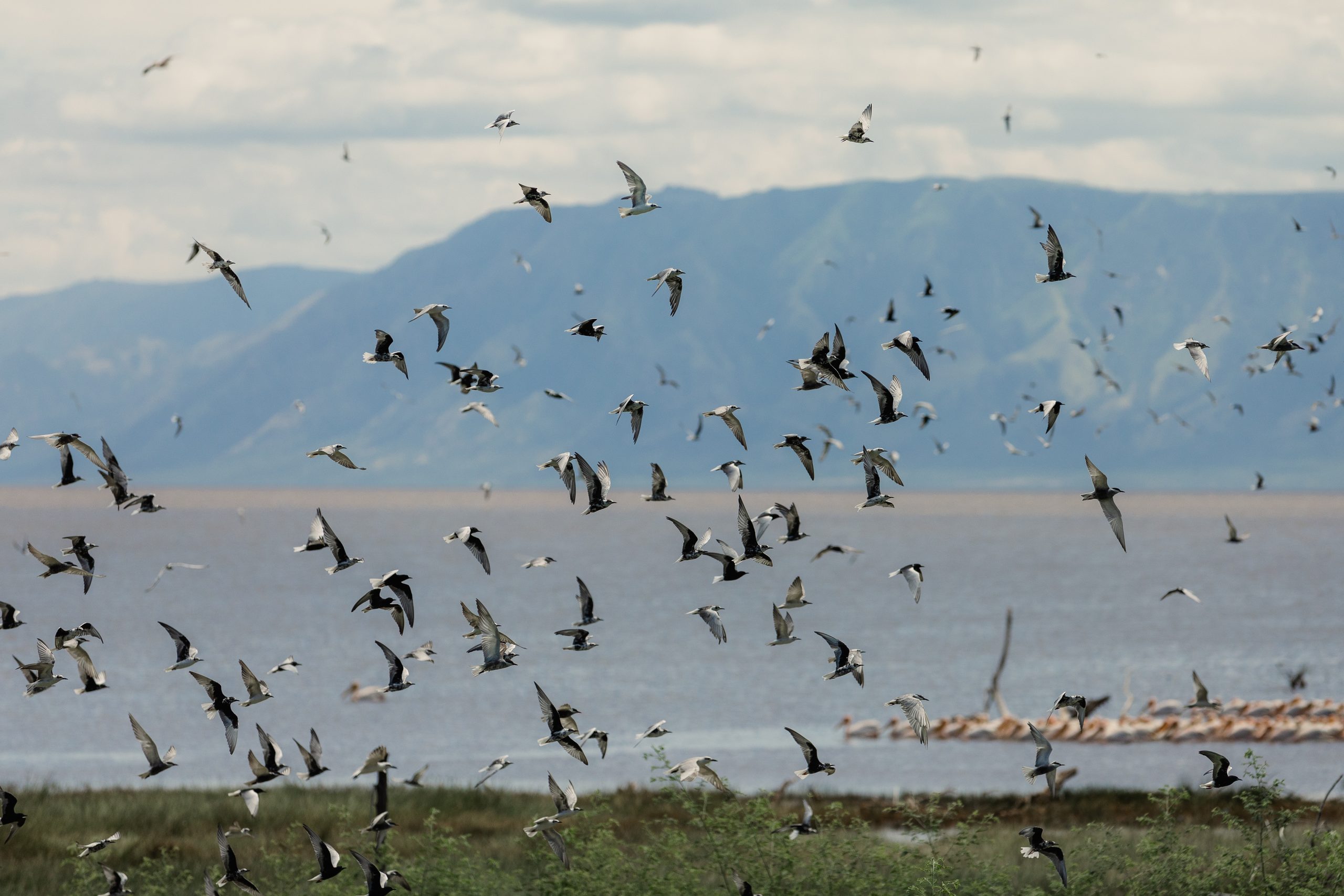
November and December: Short Rains
The arrival of short afternoon showers transforms the landscape into vibrant shades of green.
Rainfall is typically brief and rarely disrupts safari activities. Wildlife remains abundant, migratory birds begin arriving from Europe and Asia, and visitor numbers remain relatively low.
This is an excellent time for:
- Birdwatching
- Landscape photography
- Lower-season travel
- More exclusive safari experiences
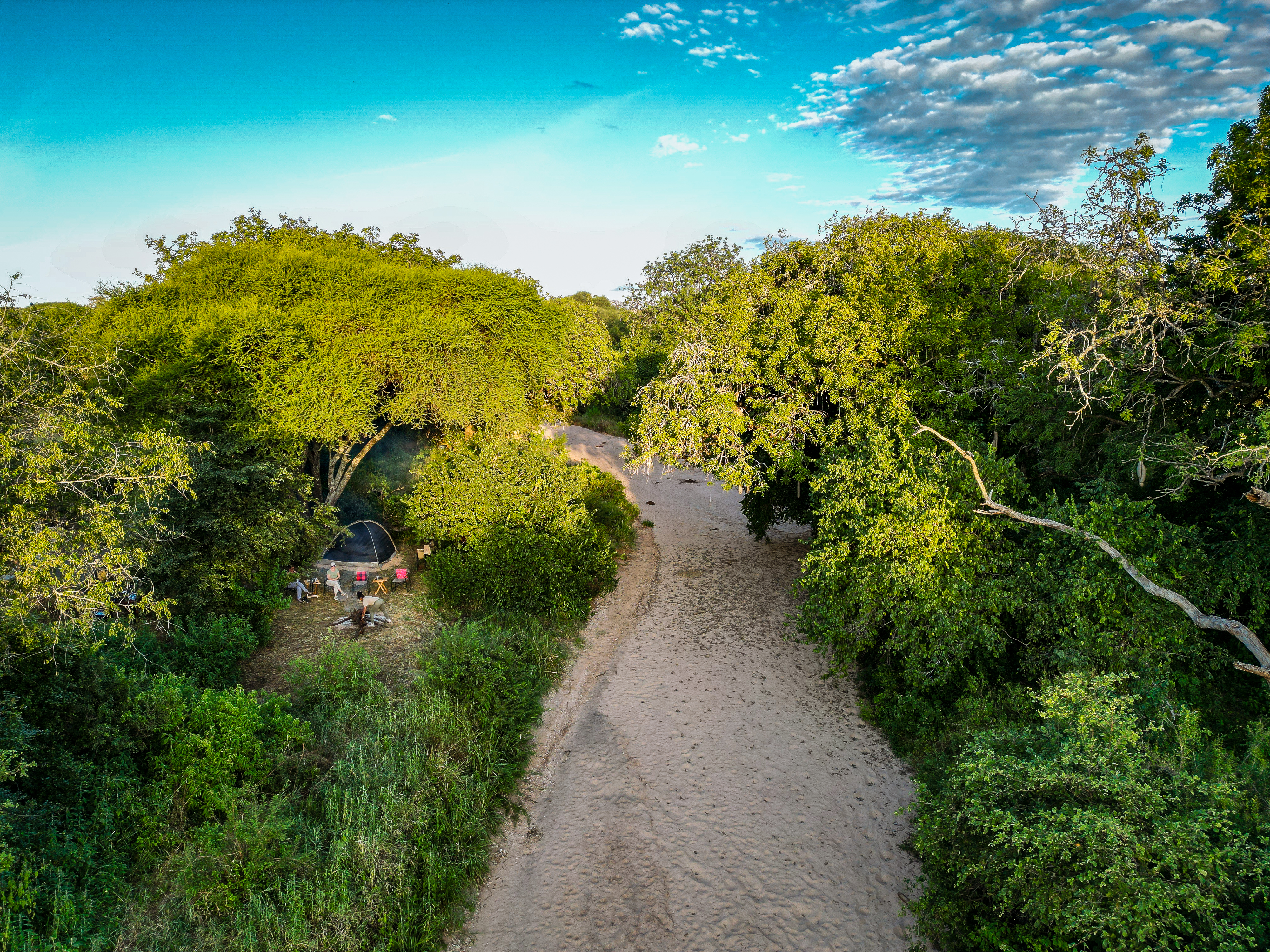
March to May: Green Season
These months receive the heaviest rainfall, but they also offer a completely different perspective on Tanzania.
The parks become lush and dramatic, flowers bloom, and many animals give birth. While some roads may become more challenging, experienced safari travellers often appreciate the tranquillity and incredible value available during this season.
Benefits include:
- Fewer vehicles in the parks
- Beautiful green scenery
- Excellent birdlife
- Attractive accommodation rates
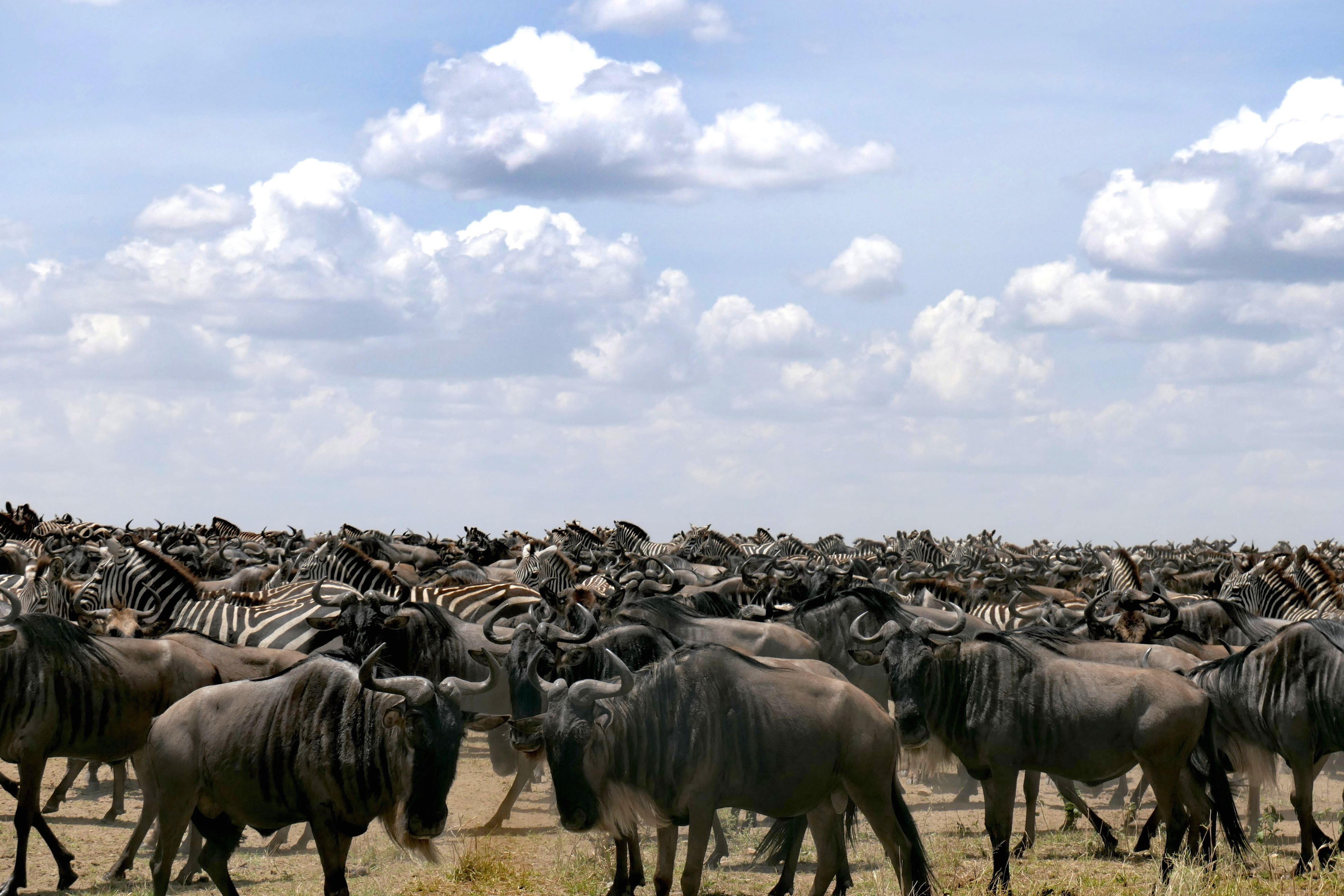
Following the Great Migration
One of Tanzania’s biggest attractions is the annual Great Migration, where more than two million wildebeest, zebra, and gazelle move across the Serengeti ecosystem in search of fresh grazing.
The migration doesn’t happen in one place throughout the year, it follows a continuous circular route.
Generally:
- January to March: Southern Serengeti and Ndutu (calving season)
- April to May: Central and western Serengeti
- June to July: Western Corridor and Grumeti River
- July to October: Northern Serengeti and Mara River crossings
- November to December: Herds begin returning south
Because rainfall influences the movement of the herds, exact timing varies slightly each year.
Best Time to Visit Tanzania by Interest
For Big Five Safaris
The dry season from June to October offers consistently excellent opportunities to see lions, elephants, buffalo, leopards, and rhinos.
For First-Time Visitors
June through October provides classic safari conditions, reliable wildlife viewing, and comfortable weather.
For Photography
Every season offers unique opportunities.
The dry season provides dramatic wildlife encounters and golden light, while the green season offers lush landscapes, dramatic skies, colourful birdlife, and fewer safari vehicles in your photographs.
For Birdwatching
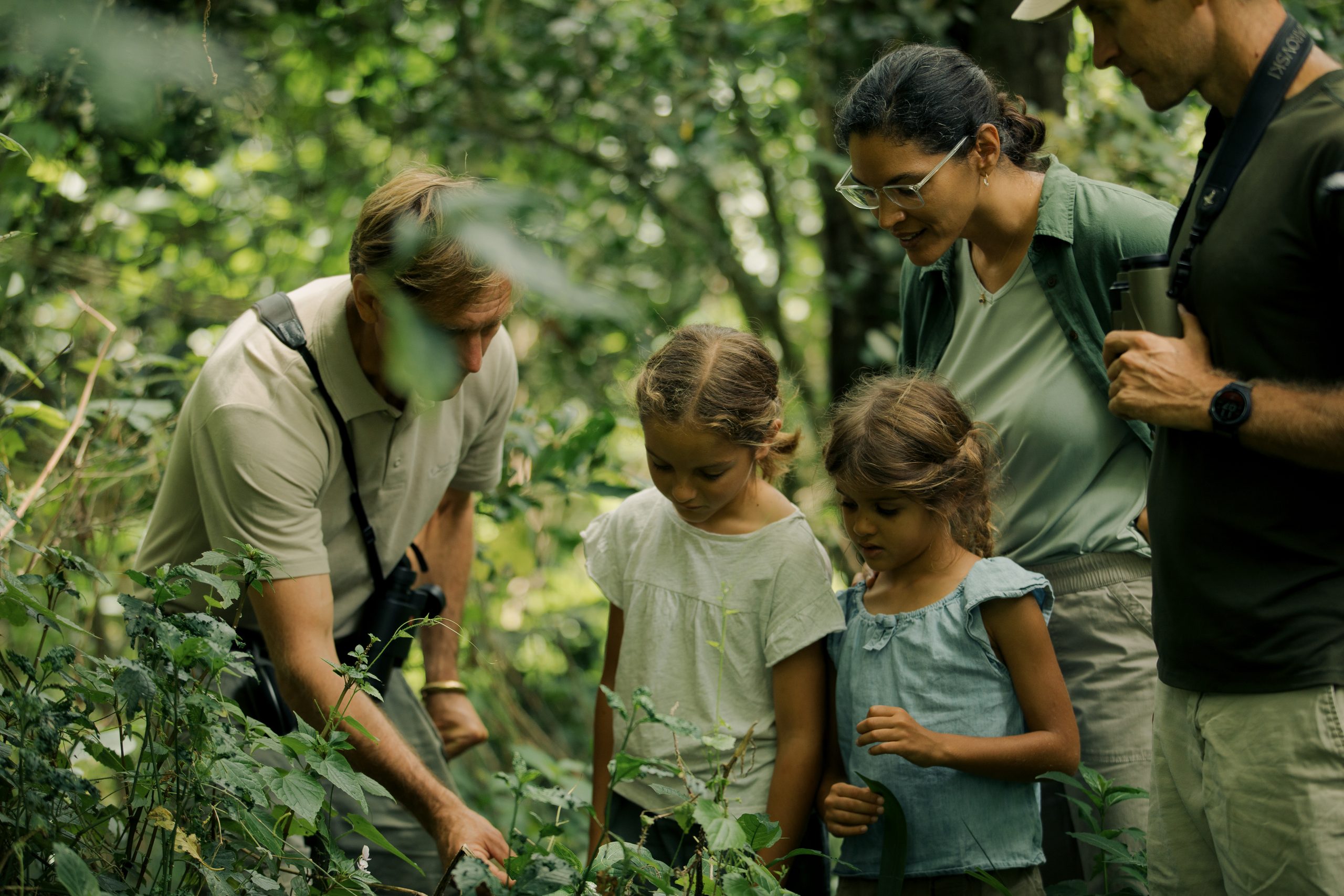
November through April is exceptional, with migratory species joining Tanzania’s already impressive resident bird population.
For Families
School holiday periods often align well with Tanzania’s dry season, when weather conditions are predictable and wildlife viewing is consistently rewarding.
Does Rain Affect Safari Experiences?
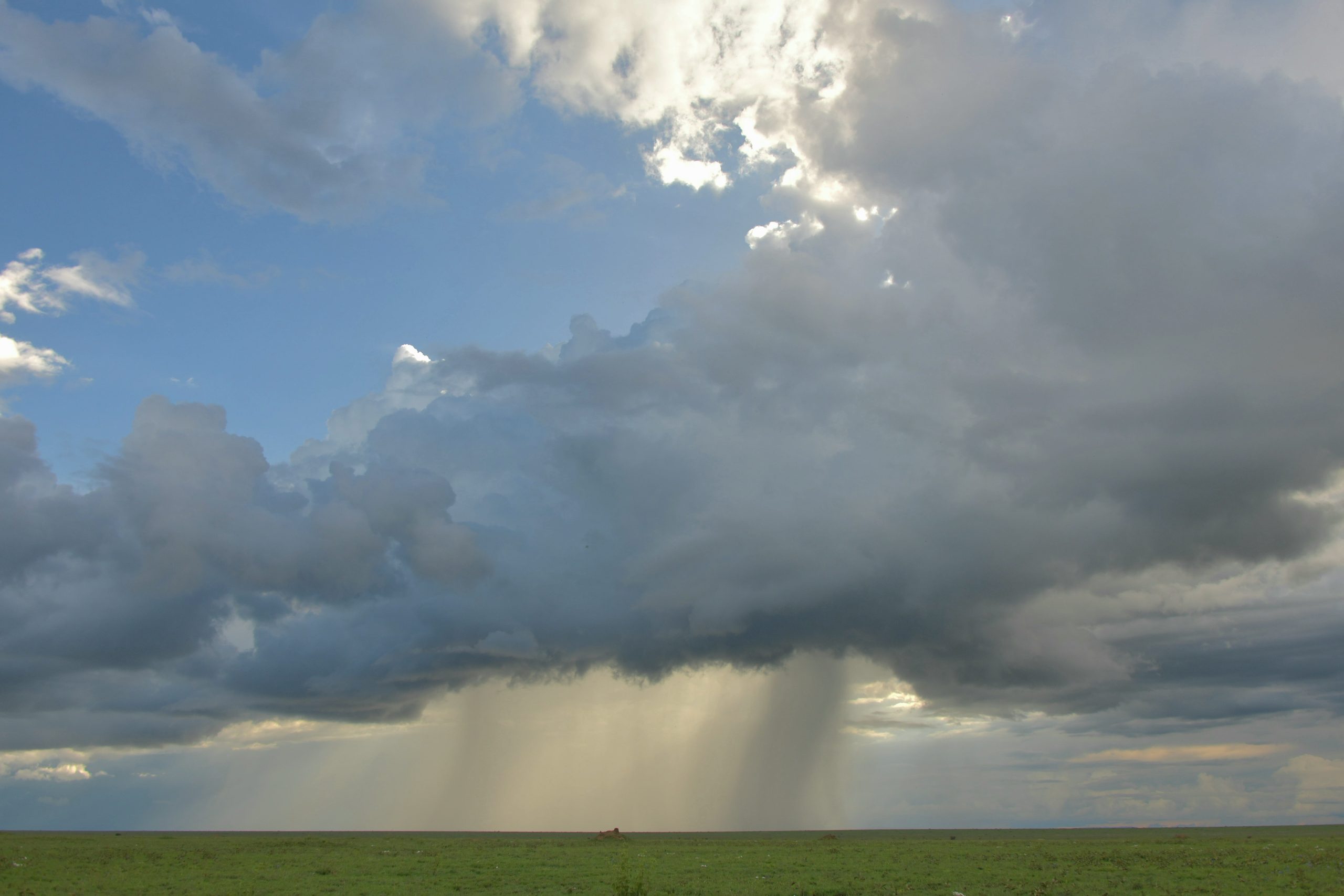
Many travellers worry that rain will ruin a safari.
In reality, even during the green season, rain often falls in short bursts rather than lasting all day. Wildlife remains active, landscapes become incredibly beautiful, and many experienced safari-goers deliberately choose these months for their quieter atmosphere and outstanding photographic conditions.
Choosing the Right Safari Camp
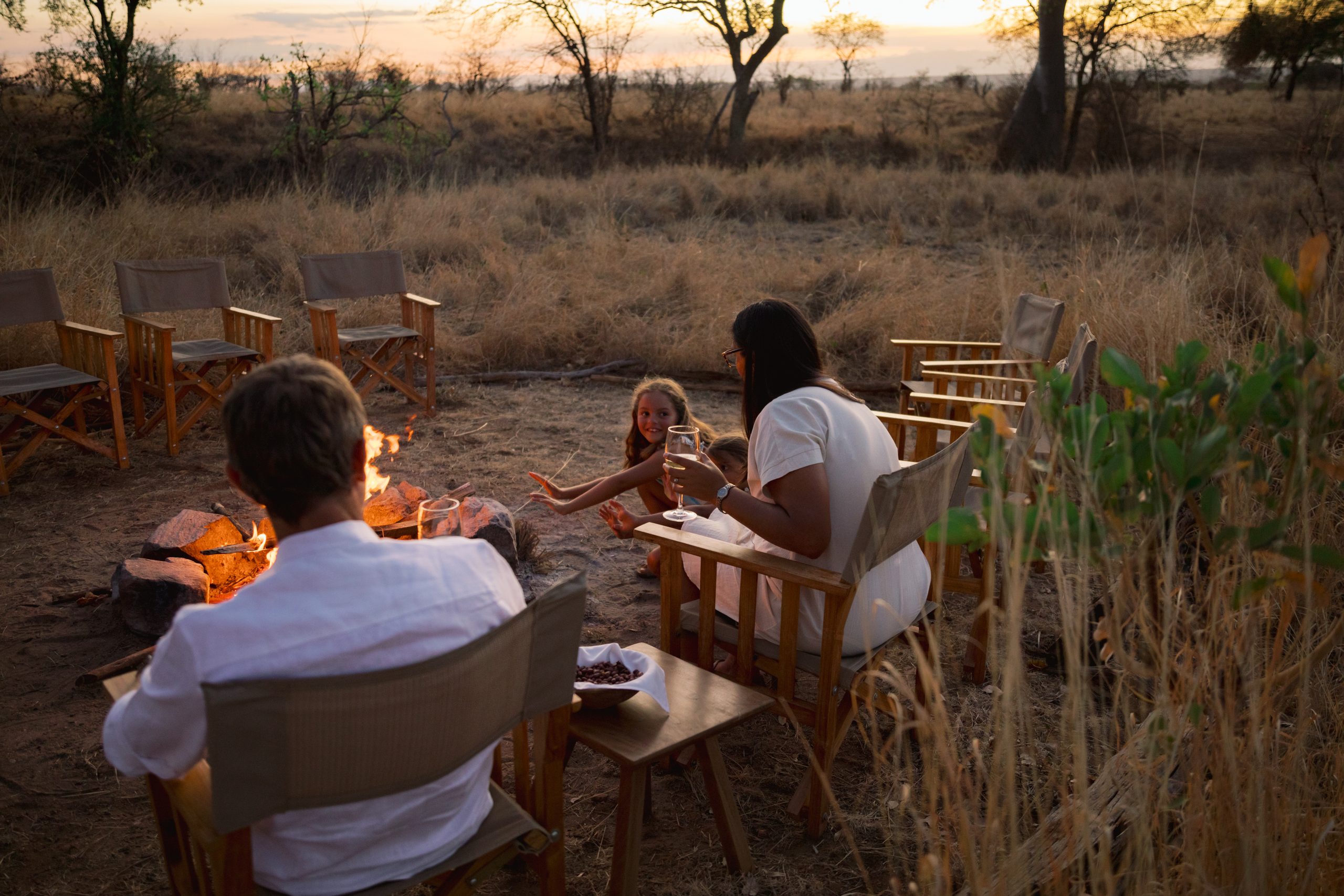
The best safari experience isn’t only about timing, it’s also about staying in the right location for the season.
A well-planned itinerary allows you to experience Tanzania’s ever-changing wildlife movements while enjoying comfortable accommodation that complements your safari adventure.
Whether you’re travelling during the peak dry season, planning your trip around the Great Migration, or seeking the peaceful beauty of the green season, selecting camps that place you close to the action makes all the difference.
So, When Is the Best Time to Visit Tanzania?
If you’re looking for classic wildlife viewing, June to October is widely regarded as the best time to visit Tanzania.
If witnessing thousands of newborn wildebeest and thrilling predator action is on your bucket list, consider travelling between January and March.
For travellers seeking lush scenery, exceptional birdlife, fewer crowds, and excellent value, the green season offers an entirely different, but equally rewarding experience.
The truth is that Tanzania doesn’t have a bad safari season. Every month reveals a different side of one of Africa’s most spectacular wildlife destinations, ensuring that no matter when you visit, you’ll leave with memories to last a lifetime.
Frequently Asked Questions
What is the best time to visit Tanzania for safari?
The dry season from June to October is generally considered the best time for wildlife viewing, thanks to pleasant weather and animals gathering around water sources.
When can I see the Great Migration?
The Great Migration can be seen year-round in different parts of the Serengeti ecosystem. The famous Mara River crossings typically occur between July and October, while calving season takes place from January to March.
Is Tanzania worth visiting during the rainy season?
Absolutely. The green season offers fewer crowds, lush landscapes, excellent birdwatching, and outstanding photography opportunities.
Which month has the best weather in Tanzania?
July, August, and September usually offer the coolest temperatures, low humidity, and almost no rainfall, making them some of the most popular months for safari travel.


