


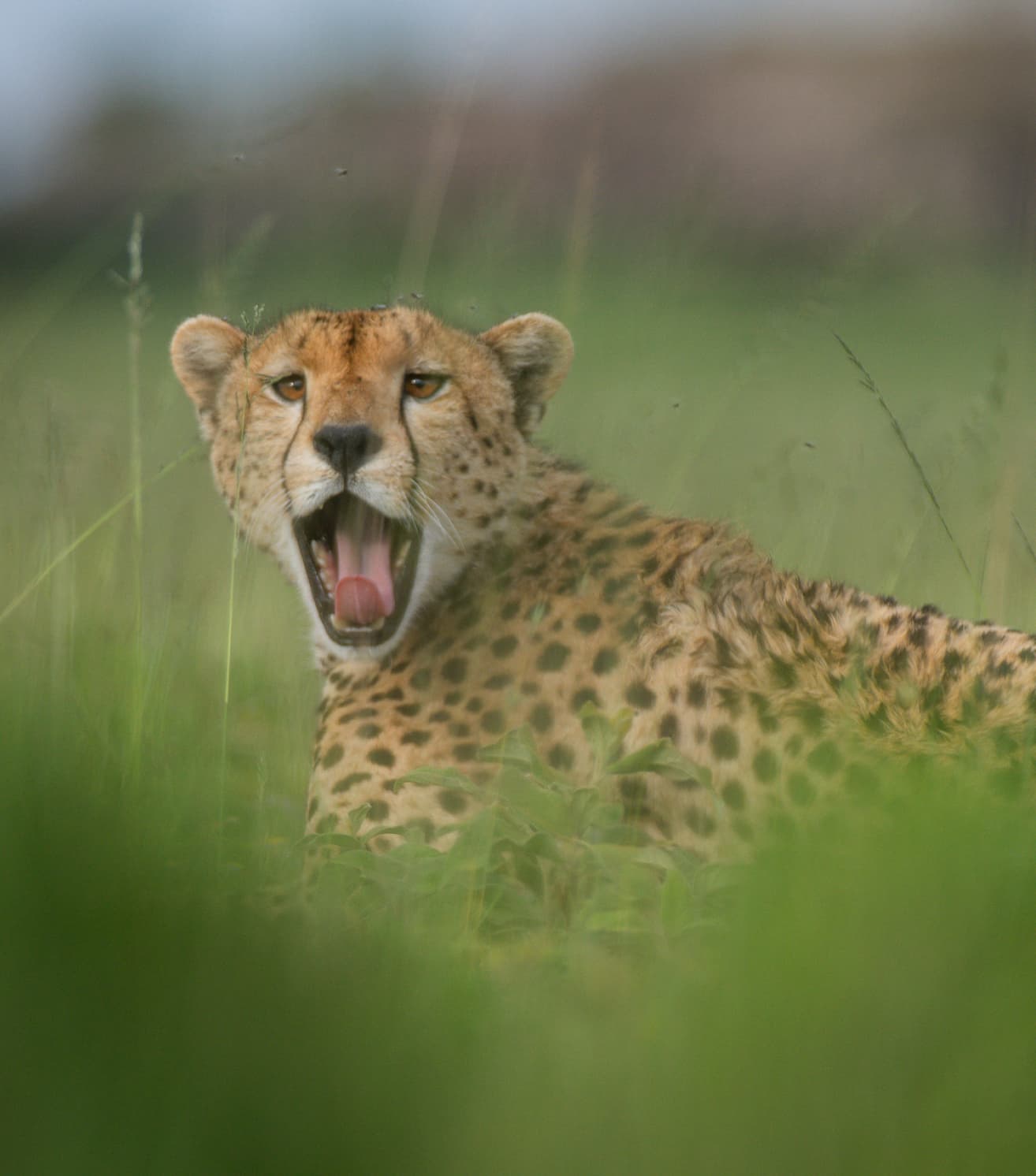



When you see a hyena, your first thought might be “dog”. This immediate thought is thanks to its sloping back, powerful jaws, and loud, raucous calls. But appearances can be deceiving. Hyenas are neither dogs nor true cats, they belong to their own unique family, the Hyaenidae, and are more closely related to mongooses, civets, and genets than to either dogs or lions. With a complex social structure, remarkable hunting skills, and biological quirks that continue to baffle scientists, hyenas are one of Africa’s most fascinating, and often misunderstood, predators.
A common misconception paints hyenas as lazy scavengers, waiting for lions or leopards to leave a meal behind. The truth is far more impressive. Spotted hyenas kill 60-90% of the prey they consume, relying on endurance, teamwork, and clever hunting strategies. They can detect carcasses from over 2 kilometers away, and while they occasionally steal kills from other predators, a behavior known as kleptoparasitism, most of their food comes from active hunting. A hyena can run at speeds up to 60 km/h, and their stamina allows them to outlast even the fastest herbivores. These traits make them among Africa’s most efficient and adaptable carnivores.
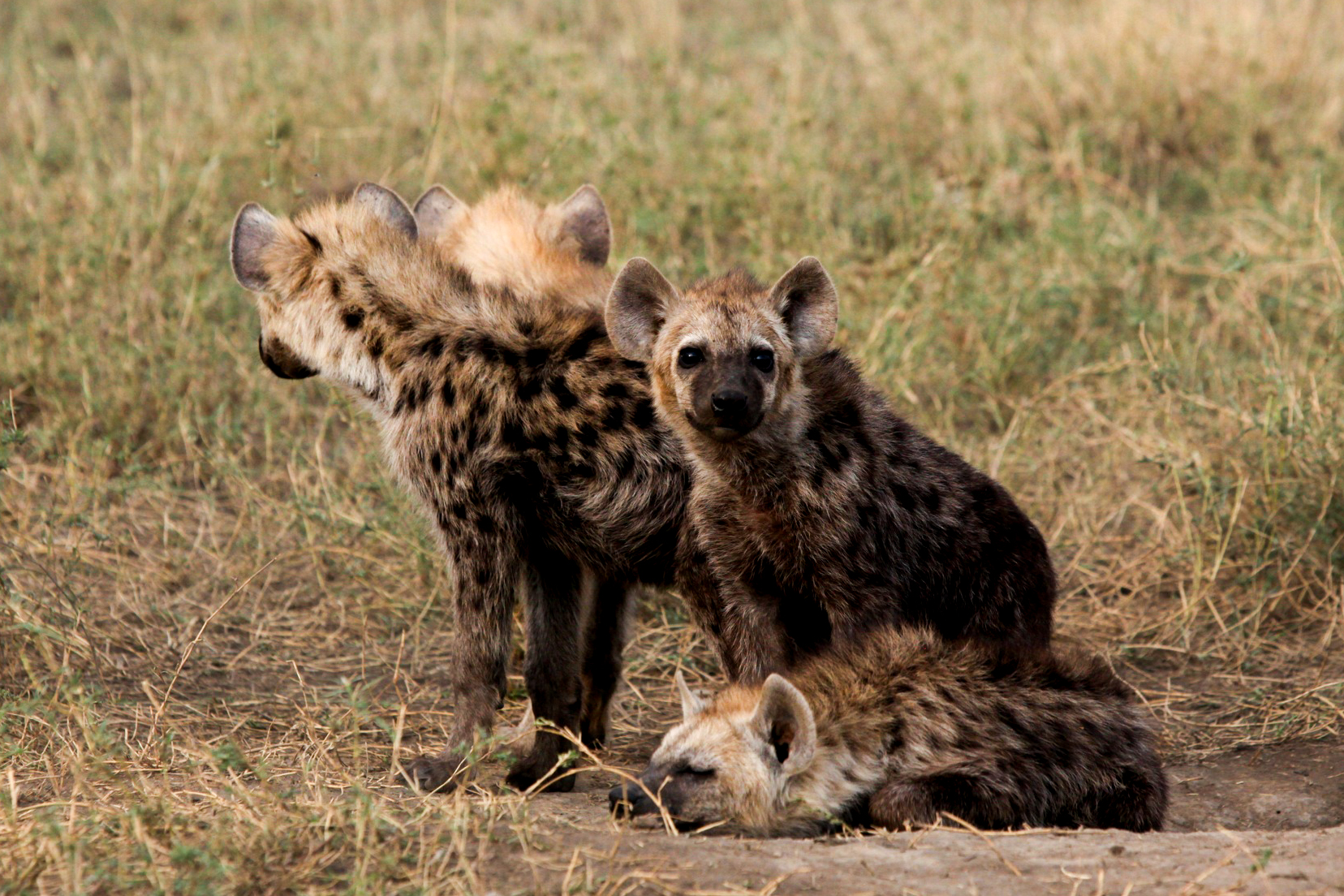
Perhaps the most intriguing aspect of spotted hyenas is the female anatomy. Female hyenas are larger than males and possess a pseudopenis, a male-like organ that also functions as the birth canal. This unique adaptation carries serious risks: more than half of first-born cubs die during birth, and about 10–20% of first-time mothers do not survive. Yet this trait persists, likely because female dominance ensures better access to food, which improves offspring survival.
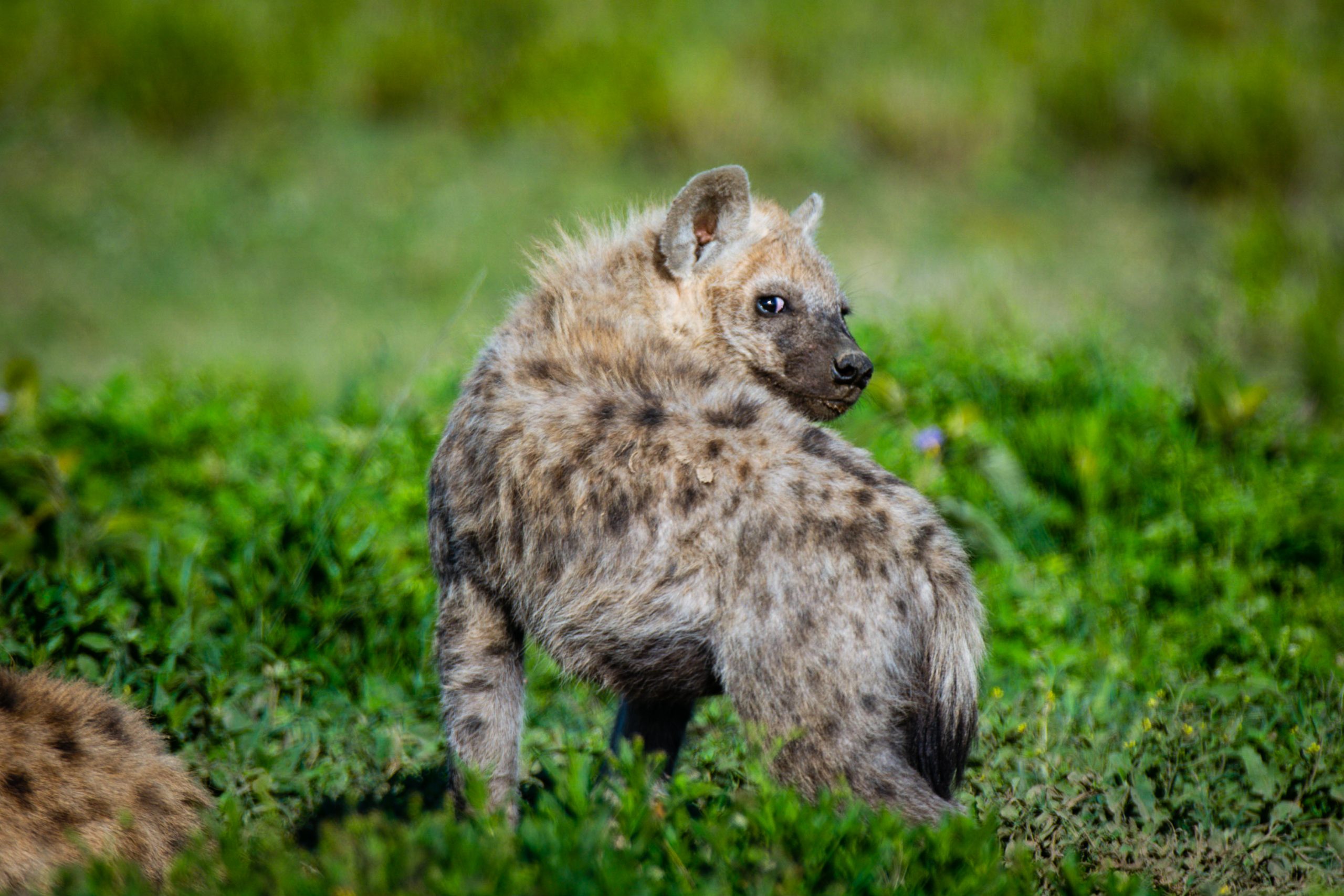
Interestingly, the development of the pseudopenis occurs before the ovaries form, indicating it is not driven by male hormones as once thought. Experiments with hormone inhibitors on pregnant females confirmed that female hyenas still develop the pseudopenis, while male offspring exposed to the inhibitors develop female-like genitalia. One compelling theory is that the pseudopenis gives females control over mating, allowing them to choose partners rather than being coerced, a natural extension of the matriarchal society where females dominate males.


Hyenas live in large, structured clans, sometimes exceeding 80 individuals, with strict social hierarchies led by females. Their communication is highly sophisticated, including whoops, giggles, growls, and grunts, each conveying distinct messages to clan members. These vocalizations help coordinate hunts, reinforce social bonds, and warn of danger. This intelligence and social complexity rival that of primates and wolves, making hyenas highly adaptable in the savannah ecosystem.
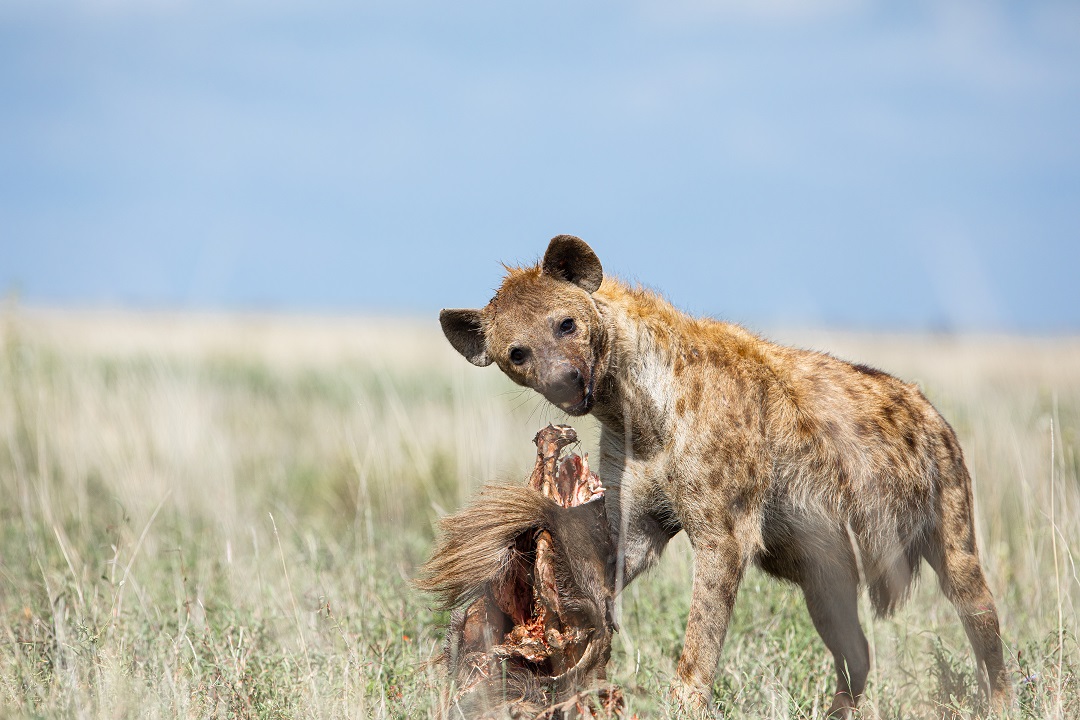
Beyond their quirks and mysteries, hyenas play a critical ecological role. They help control herbivore populations, clean up carrion, and prevent the spread of disease, functioning as nature’s sanitation workers. Despite centuries of myths and negative portrayals in popular culture, hyenas are vital to the balance of African ecosystems.


Hyenas challenge our assumptions at every turn. They are not dogs, not cats, but a marvel of evolution, blending intelligence, social sophistication, and biological curiosity into one remarkable carnivore. From their hunting prowess to their matriarchal clans and unique anatomy, hyenas demonstrate that the natural world is full of surprises, and that sometimes, the animals we think we understand are the ones that continue to confound us the most.


